How Much Money Should I Take To Iceland For 5 Days?
A realistic five-day Iceland budget built from verified prices: food, transport, museums, pools and the free things that bring the total down.
How Much Money Should I Take To Iceland For 5 Days?
There is no single honest number, because accommodation and a rental car move the total more than everything else combined. The parts you can price precisely: the airport bus is 3,999 ISK each way, a supermarket day of food runs 900 to 2,500 ISK per person, a pool swim is 1,500 ISK and museums cost 2,500 to 3,300 ISK each. Build your total from those lines rather than from a headline figure.
Every one of those figures comes from an operator or city page that was actually loaded, not from forum guesswork. That matters here more than in most destinations, because Iceland budget advice online is dominated by two failure modes: numbers copied from trips taken years ago, and round-figure guesses that ignore how much the small items add up. A coffee habit of two café cappuccinos a day costs more over five days than a museum ticket, and nobody warns you about that.
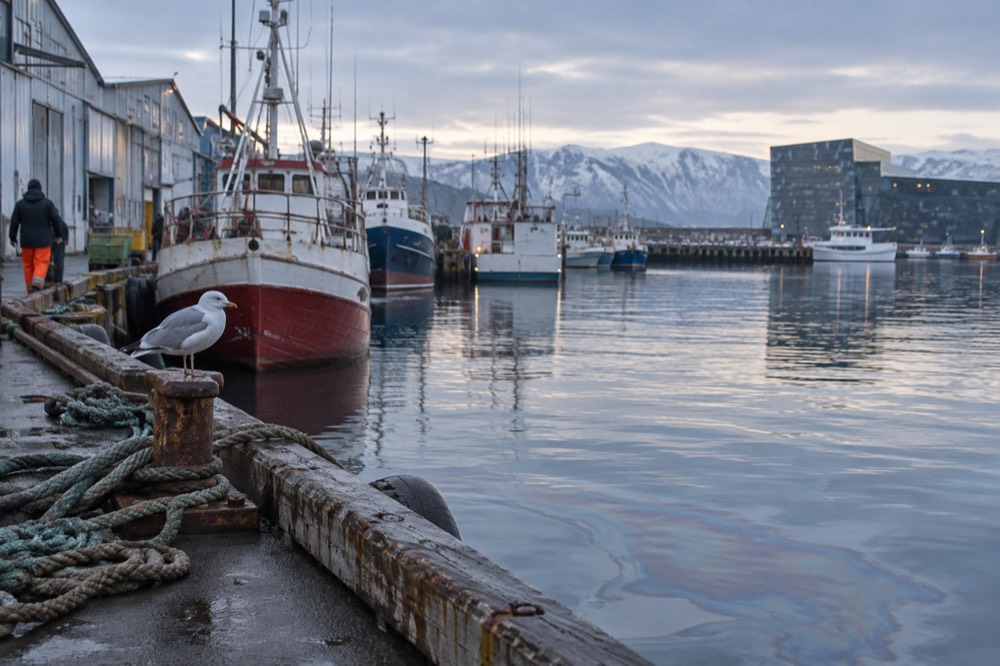
The structure of the cost problem is unusual. The big three lines, flights, accommodation and a car, are decided before you land and barely respond to daily discipline. Everything after that is surprisingly controllable, because the part of the trip most people remember, the city itself, is unusually generous with free access. The waterfront, the sculpture garden, the pond, the botanic garden and the hill trails all cost nothing, and the free walking tours cover the old centre for whatever you choose to tip.
Here is the day-by-day skeleton the rest of this page prices out, using only the verified line items:
| Day | Plan | Paid items | Cost per person |
|---|---|---|---|
| 1 | Arrive KEF, bus to city, evening walk | Flybus 3,999 ISK, dinner | itemized below |
| 2 | Old centre on foot, free walking tour, pool | Tip 2,000-5,000 ISK, pool 1,500 ISK | itemized below |
| 3 | Waterfront, one museum, Rainbow Street | Museum 2,500-3,300 ISK | itemized below |
| 4 | Nature day: Esja, Heidmork or Videy | Ferry 2,500 ISK or bus 690 ISK | itemized below |
| 5 | Botanic garden, souvenirs, departure | Flybus 3,999 ISK | itemized below |
Before you build your own version of that table, one walk deserves a slot on day two: the free city tours cost nothing to book and set the tone for how cheaply the rest of the trip can run.
The dominant option is CityWalk, the long-running free tour of the capital. It is listed on freetour.com, rated 9.6 out of 10 across 6,683 freetour.com reviews, and it runs daily at 10:30 and 13:30 from Austurvollur square in front of the Parliament building. The smaller alternative is Sweet Streets on GuruWalk, rated 4.6 out of 5 across 87 GuruWalk reviews, which runs Monday, Thursday, Friday, Saturday and Sunday at 11:00 from Harpa and takes cash tips only, so bring notes if you book it. Both walks last about two hours and cover the old centre on foot. This stop sits on a free walking route, Spanish-Language Legends Walk.
What Does Food Cost Per Day In Iceland?
A day eating mostly from supermarkets runs 900 to 2,500 ISK per person for picnic basics like skyr, bread and deli items. In cafés, a hot dog with everything costs 600 to 820 ISK, a cappuccino 700 to 900 ISK, a cheap sit-down meal about 3,300 ISK, and a half-litre of draught beer 1,400 to 1,800 ISK, dropping to 800 to 1,000 ISK at happy hour.
The single most effective money decision on a five-day trip is where you buy breakfast and lunch. Bonus and Kronan, the two budget supermarket chains, sell the picnic basket at the lower end of that range, and visitors who commit to supermarket breakfasts and lunches routinely report food spends near the bottom of any Iceland budget without feeling they roughed it. The difference between cooking or picnicking two meals a day and eating every meal out is, over five days, larger than the cost of every museum in the city combined.
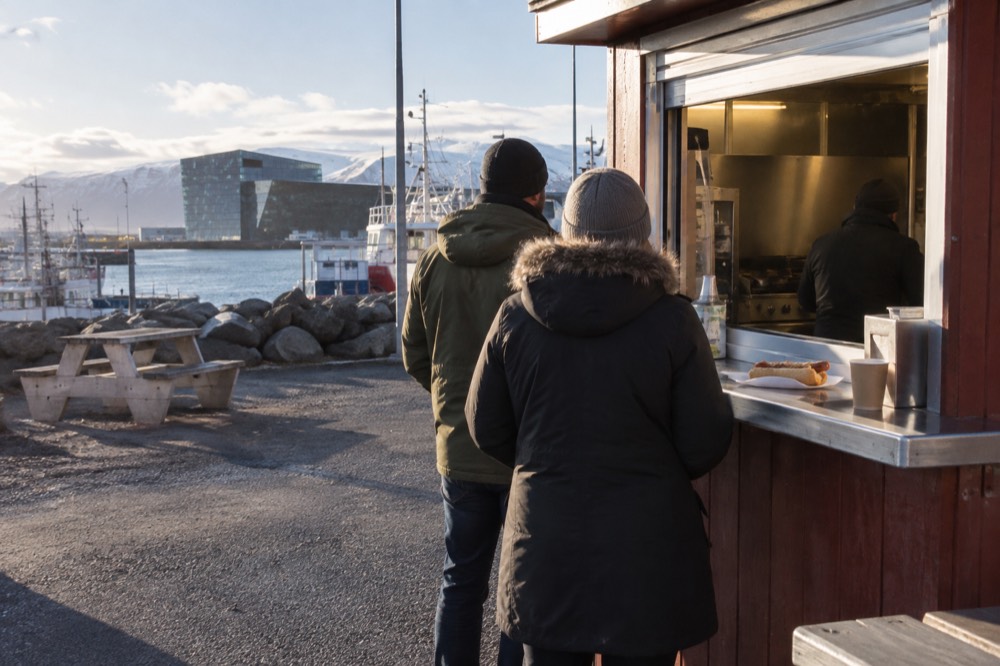
Dinner is where budgets die. The famous harbour hot dog stand is the classic escape valve, and at roughly 600 to 820 ISK for a pylsa with everything it is the cheapest hot meal in the country. Petrol station coffee at 300 to 400 ISK undercuts café coffee by half, which matters more over five days than most people expect: two café coffices a day versus two petrol station coffees is a difference of several hundred krona daily, every day, compounding quietly. For a fuller breakdown of where to eat cheaply in the capital, the cheap eats in Reykjavik guide covers the stands, bakeries and supermarkets worth seeking out.
One structural note that visitors consistently underrate: tap water in Reykjavik is free, safe and drawn from protected groundwater, so the easiest daily saving is simply refusing to buy bottled water. Fill a bottle at any cold tap and you save 300 to 500 ISK at every stop, with no downside beyond a faint sulfur smell that the cold tap mostly avoids. Alcohol is the other quiet drain. Bar prices are high enough that happy hour, at 800 to 1,000 ISK a draught half-litre, is not a novelty in Reykjavik but a genuine budget strategy, and the bars advertise their windows openly.
How Much Does Transport Cost For Five Days?
Expect roughly 3,000 to 7,000 ISK per person for five days of city transport, depending on how much you ride. The Flybus from Keflavik airport costs 3,999 ISK one way, public Strætó route 55 is about 2,400 ISK, and city buses charge 690 ISK per single fare, valid 75 minutes with transfers, with children 11 and under riding free.
The airport transfer is the one fixed cost almost nobody avoids, and the official Flybus pricing page confirms the 3,999 ISK adult fare to BSI, with hotel-dropoff tickets at 5,299 ISK. Children aged 1 to 5 travel free and youths 6 to 15 pay roughly half, so a family can get into the city for less than the price of one restaurant dinner. Route 55 of the public bus network is the budget alternative at around 2,400 ISK, slower but real, and it runs on the same roads.
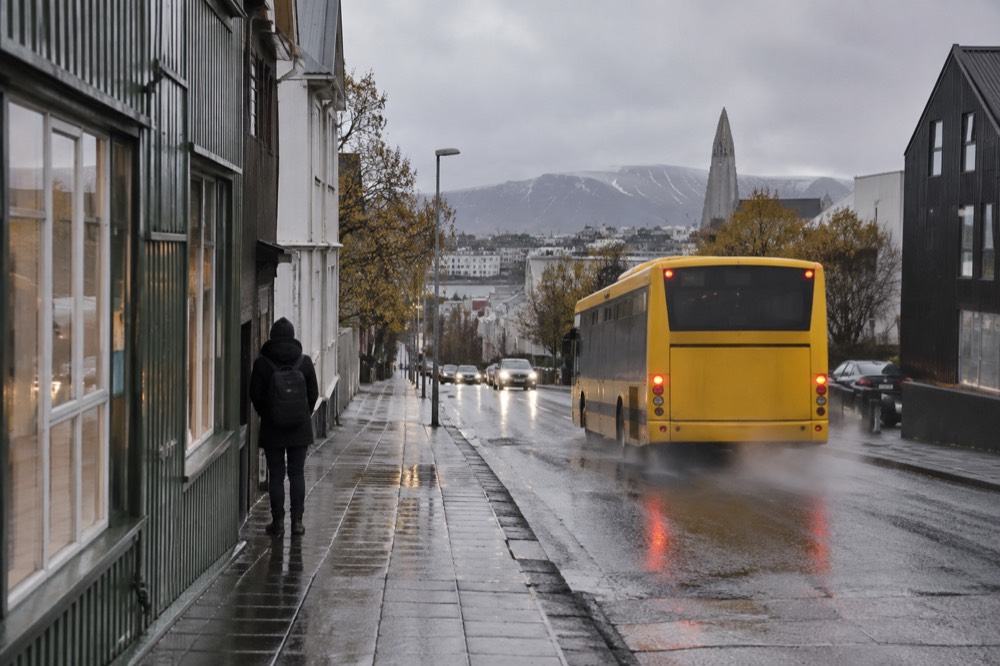
Inside the city, the Strætó price list sets the single fare at 690 ISK paid by contactless card or app, with fares capped at three rides a day or nine a week on the same card. Day passes have been discontinued, so for a five-day stay the arithmetic is simple: if you will ride more than four times in a day, the 24-hour pass at 2,750 ISK wins, otherwise pay per ride. The centre is compact enough that most visitors walk nearly everything and only bus to the pool or the botanic garden, which keeps the transport line of the budget almost invisible.
Renting a car changes the maths completely, and not only through the daily rate. A per-kilometre road tax introduced on 1 January 2026 adds a statutory charge of about 6.95 ISK per kilometre for cars and SUVs, and central parking costs 660 ISK per hour in the P1 zone, with a three-hour maximum. Anyone mainly staying in Reykjavik should rent for the days they leave the city, not for the whole trip. The free parking in Reykjavik guide maps which zones and hours are free if you do drive, and the savings there are real: P3 and P4 zones are free on weekends.
What Do Museums And Attractions Add To The Total?
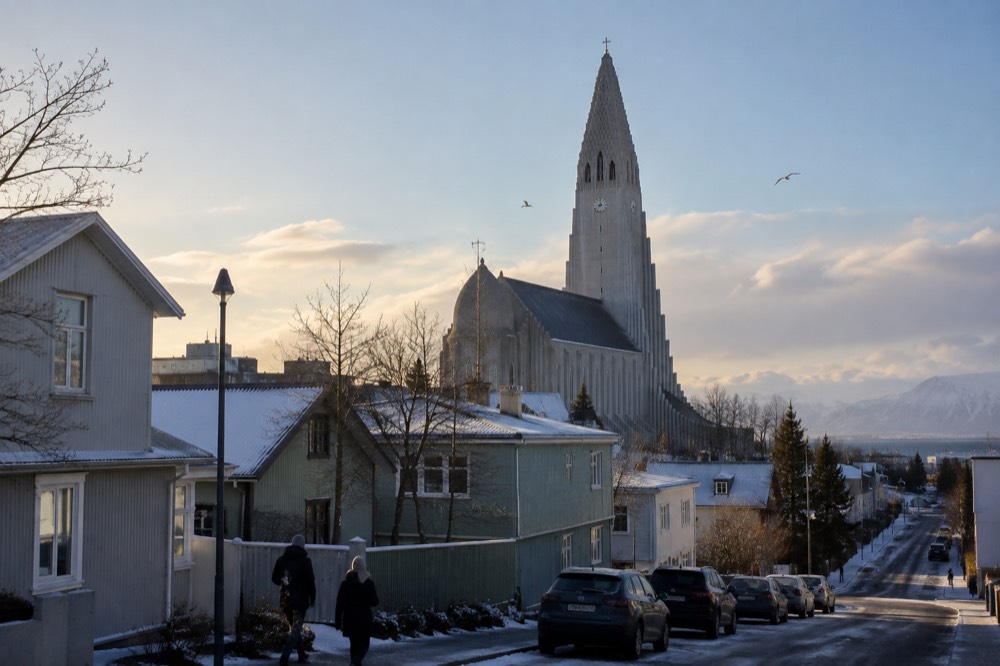
Count on 2,500 to 3,300 ISK per major museum for an adult: the National Museum is 3,300 ISK, the Reykjavik Art Museum 2,550 ISK and the National Gallery 2,500 ISK. Hallgrímskirkja's tower is 1,500 ISK for adults, a public pool entry 1,500 ISK, and the Nauthólsvík geothermal beach 1,500 ISK year-round with no free summer window. Under-18s enter the big museums free.
Two of those figures deserve special care because they are widely misreported. The geothermal beach is not free in summer, whatever older listicles say: the official tariff is one flat entrance pass all year, matching the city pool tariff in force since May 2026. And the Hallgrímskirkja tower price rose to 1,500 ISK for adults from 1 June 2026, per the church's own opening-hours page, though the nave itself costs nothing. The view from the free Öskjuhlíð hill is the standard workaround for the tower ticket, and on a clear day it is the better view anyway because it faces the church.
There are real discounts hiding in the small print, and three of them matter enough to plan around. The first is the under-18 rule: children and teenagers 17 and under enter the Art Museum, the National Museum, the National Gallery, the Settlement Exhibition and the open-air museum at Árbaer free, and the same rule covers disabled visitors. A family with two teenagers pays for two adults at every major museum in the city, which quietly removes the largest line from a family budget.
The second is the Nordic House library card, free for anyone 18 or older and valid for a year, which makes it one of the few genuinely free indoor stops in the capital if you want a warm, quiet hour between sights. The third is timing: Safnanótt, Museum Night, held during the winter lights festival in early February, opens participating museums free or late at no charge, so a winter visitor can see the Art Museum, the City Museum branches and the National Gallery sites in one evening for nothing. Summer visitors cannot catch it, but the free Harpa foyer, the sculpture garden and the city library carry the same weight in July.
One warning about the Reykjavik City Card, because it is sold as a money-saver everywhere: it is a paid product, at 6,100 ISK for 24 hours, 8,500 for 48 and 10,500 for 72. Anything described as "free with the City Card" is not free, and the card only pays for itself if you genuinely intend to visit three or more paid attractions a day, which is a punishing pace in a city this size. Do the arithmetic against your own list before buying.
How Much Should You Tip On The Free Walking Tours?
Plan 2,000 to 5,000 ISK per person, roughly 10 to 20 euros, as the tip on a free walking tour. The tours themselves cost nothing to book and nothing to join, the tip is the guide's entire income, and cash is the reliable way to pay it. On a five-day budget, one walk plus tip costs about the same as a single museum ticket.
The tip-based model is the reason a Reykjavik trip can include a guided two-hour tour on the cheapest day of the itinerary. GuruWalk suggests 15 to 50 euros per person on its walks, and the common range in the city is 2,000 to 5,000 ISK, with some visitors going higher for an exceptional guide. Neither walk requires payment at booking, and cancellation is free on the GuruWalk walks, with the guides asking only that you cancel rather than no-show, since a no-show seat can block someone else.
The practical detail that catches people out is payment method. Sweet Streets takes cash tips only, so a visitor carrying nothing but a card cannot pay the guide at all, and on a pay-what-you-want walk the tip is the whole payment. CityWalk, by contrast, accepts cash or card at the end of the walk, and its own site also takes donations online afterwards. Book the walk that fits your day, bring notes for the smaller one, and treat the tip as the one cost on the trip where the price is genuinely yours to set.
How Do You Keep Five Days Cheap Without Missing The City?
Sleep in a hostel or guesthouse, eat breakfast and lunch from supermarkets, walk the centre instead of busing it, and spend your attraction budget on one paid thing a day: a pool, a museum or the tower. Fill the remaining hours with the free waterfront, parks, sculptures and viewpoints, which is most of what the city is. That combination removes the largest discretionary lines from a five-day total.
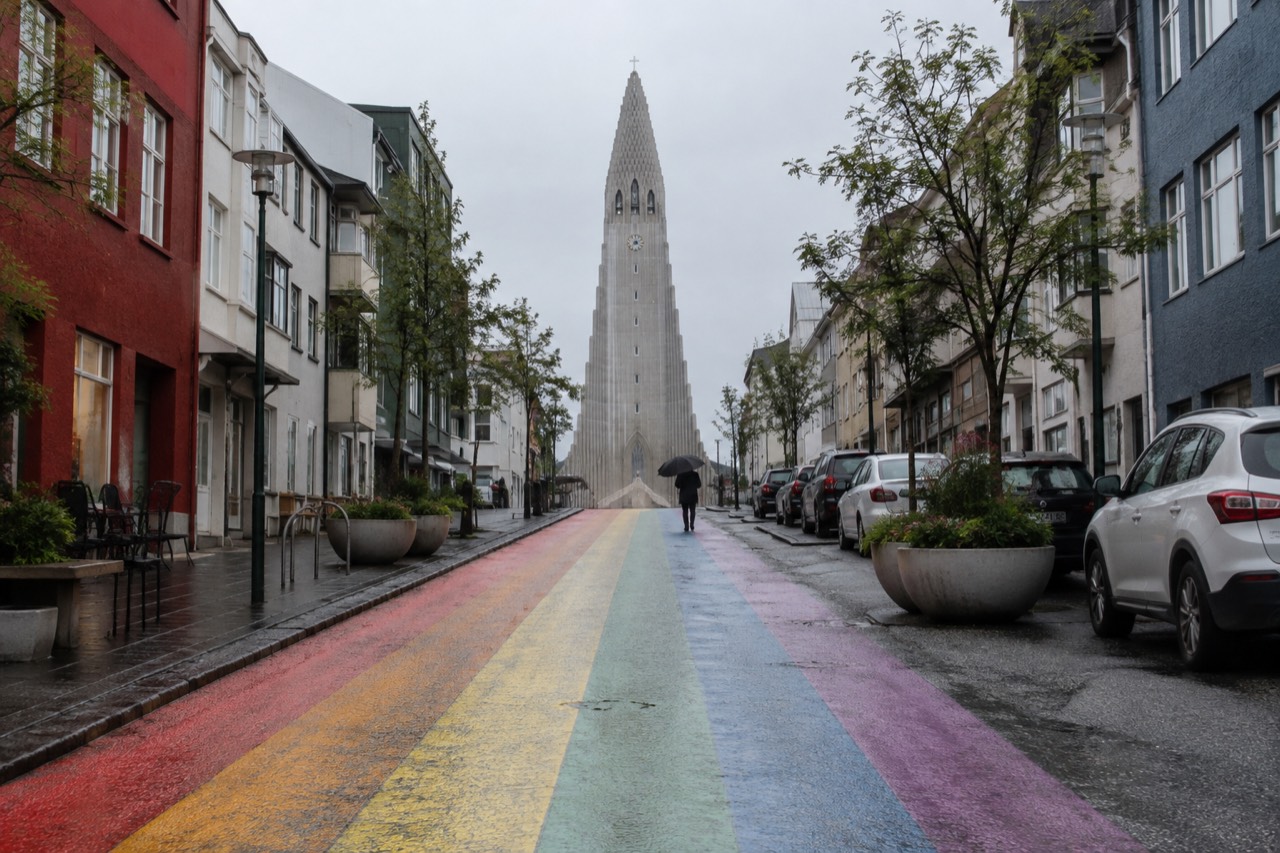
The free list is long enough to carry two full days on its own. The Sun Voyager sculpture on the waterfront, the Harpa concert hall foyer, the Hljóðhimnar sound installation inside it, Rainbow Street, the Tjörnin pond, the botanic garden, the Einar Jónsson sculpture garden behind the church and the Öskjuhlíð hill trails all cost nothing, and the city maps more than 160 street-art works you can walk past for free. Höfði House, the site of the famous 1986 summit, is free to admire from the grounds even though the interior is the mayor's reception hall. For a fuller picture of the whole country on the same principle, see free things to do in Iceland. This stop sits on a free walking route, Morning Walk From Harpa, Cash Tips.
The pattern that works: spend on the things Iceland is uniquely good at, which are the pools, the landscape and one good restaurant meal, and refuse to spend on the things every city has, which are bottled water, taxis and gift-shop snacks. Public toilets occasionally charge around 200 ISK, but many in public buildings like City Hall and libraries are free, so even that line is avoidable. This site, Free Things To Do In Reykjavik, exists because that refusal is easier with a list in hand.
If you time your trip to a festival, the savings compound. Culture Night in August puts museums, galleries, street performances and a fireworks display across the whole city at no charge, and the buses run free for an hour after the fireworks. National Day on 17 June brings a parade, concerts and family events to the parks at no cost, and the New Year bonfires, ten of them across the city, are free community gatherings open to anyone.
The two walks below are the free anchors that hold a tight budget together, and either one makes a good first morning in the city.
Common Questions About Money For Five Days In Iceland
How Much Money Should I Take To Iceland For 5 Days?
Build it from the verified line items: the airport bus is 3,999 ISK each way, supermarket food runs 900 to 2,500 ISK a day, a pool swim is 1,500 ISK and museums 2,500 to 3,300 ISK each. A hostel-based trip with supermarket meals and mostly free sights costs a fraction of a car-based one, because accommodation and driving move the total most.
Is 500 USD a day enough for Iceland?
Yes, comfortably, for a solo traveller. 500 USD is roughly 65,000 ISK, which covers a guesthouse night in the low season plus food and one paid attraction. In peak summer with a rental car it is closer to the line but still workable if you cook some meals.
How much is a meal in Iceland?
A cheap sit-down meal runs about 3,300 ISK, a hot dog with everything 600 to 820 ISK, and a supermarket picnic 900 to 2,500 ISK per person. A half-litre of draught beer costs 1,400 to 1,800 ISK, dropping to 800 to 1,000 ISK at happy hour.
Can you do Iceland cheaply without a car?
Yes, for a Reykjavik-based trip. The Flybus covers the airport at 3,999 ISK, city buses cost 690 ISK a ride, and the free walking tours, waterfront, parks and hill trails need no vehicle at all. Day tours to the Golden Circle are the paid alternative for leaving the city.
Are museums free in Iceland?
No, the major Reykjavik museums charge 2,500 to 3,300 ISK for adults, with under-18s free. The genuinely free entry points are the Harpa foyer, the sculpture garden, the botanic garden and the city library, plus Museum Night in early February when participating museums open free.
Do you need cash in Iceland?
Almost nowhere, except as tips. Card payment is near-universal, but the Sweet Streets free walk on GuruWalk takes cash tips only, so carry a few notes for the guide. Public toilets occasionally charge around 200 ISK, coin or card.