Is Iceland Cheap To Visit?
An honest cost breakdown of visiting Iceland in 2026, with real prices for transport, food and attractions, and the free things that keep a trip affordable.
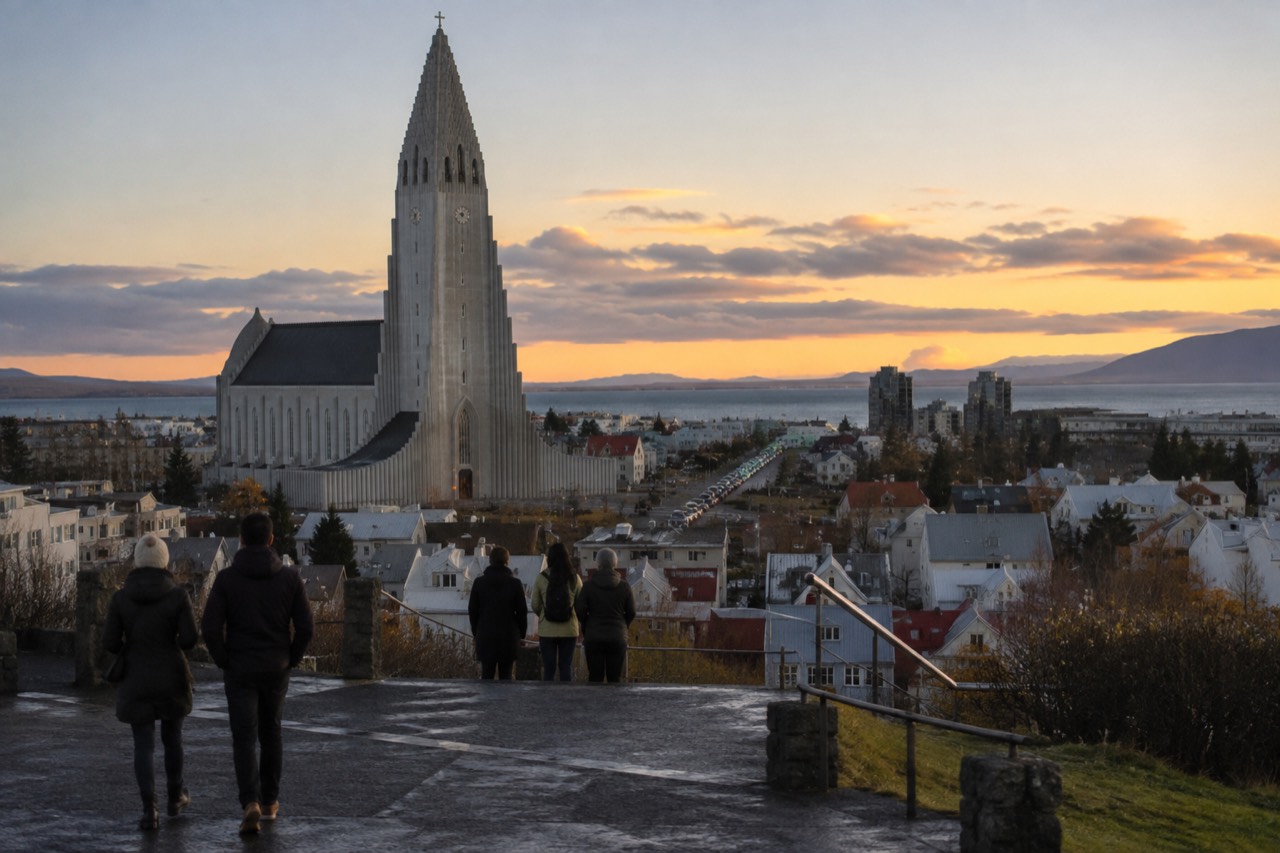
Is Iceland Cheap To Visit?
No, Iceland is not cheap, but a trip there costs far less than the horror stories suggest if you build it around what is free. A single capital-area bus ride is 690 ISK, a public swimming pool entry is 1,500 ISK, and a hot dog with everything runs 600 to 820 ISK. The walking tours, the parks, the coastline and the northern lights in season cost nothing, so the honest answer is manageable, not bargain-priced.
The country runs on imported goods and a small domestic market, which pushes restaurant and alcohol prices well above most of Europe. A cheap sit-down meal is reported at around 3,300 ISK, a café coffee at 700 to 900 ISK, and a half-litre of draught beer at 1,400 to 1,800 ISK unless you catch a happy hour. Those are the numbers that give Iceland its reputation, and they are real.
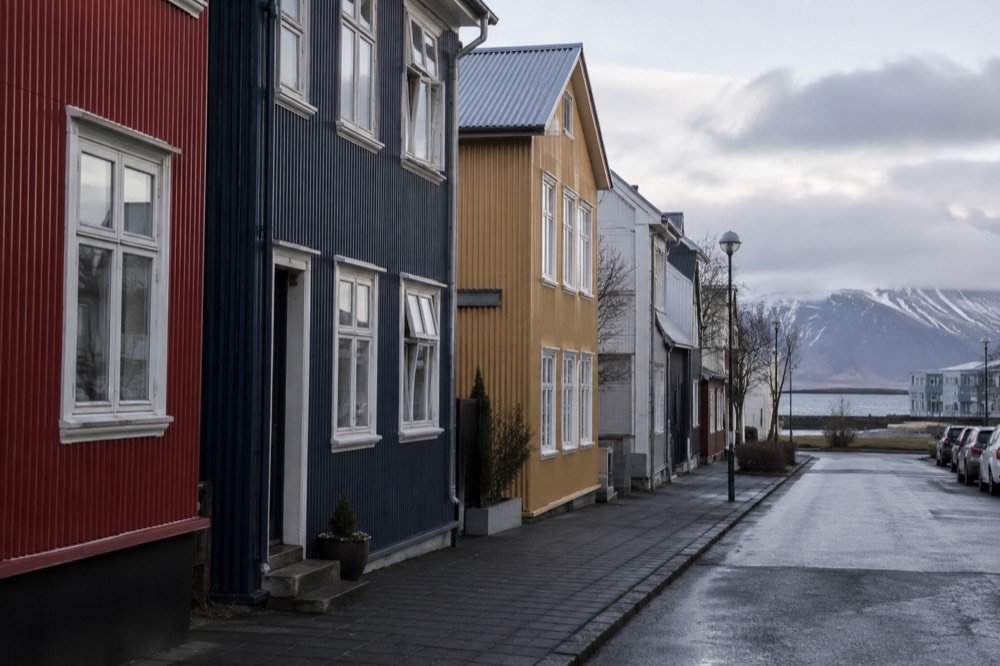
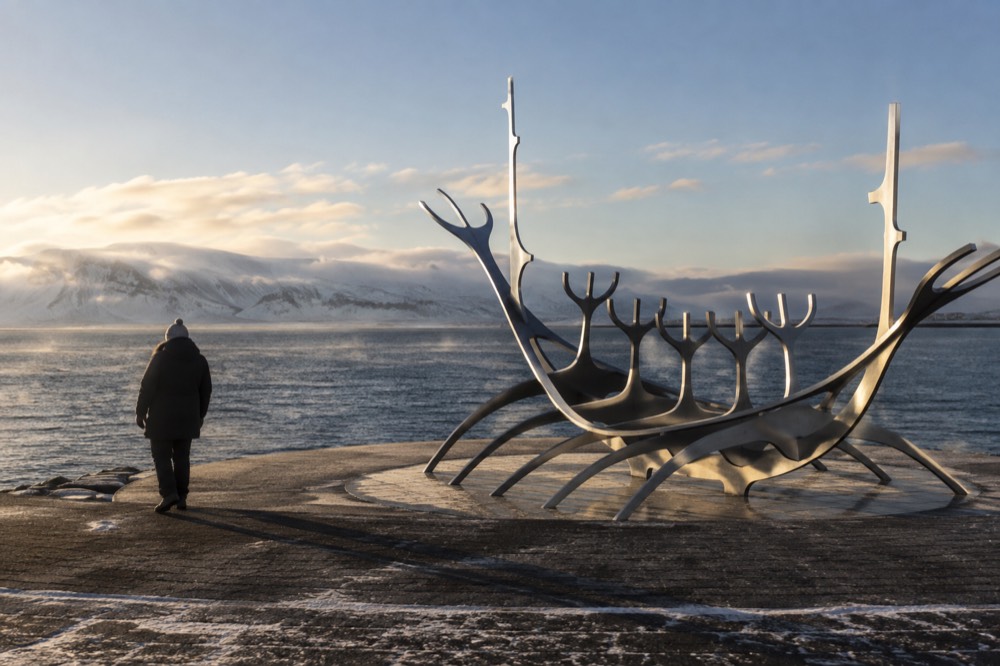
But the reputation hides the other half of the picture. The things many destinations charge for, the signature sights, the viewpoints, the geothermal landscapes, are largely free here. The Sun Voyager sculpture sits open on the waterfront. Harpa's foyer and its ground-floor sound installation cost nothing to enter during opening hours. Rainbow Street is a public road with a fresh coat of paint. Tjörnin pond is an open park. None of it needs a ticket. A free walk covers this ground: Spanish-Language Legends Walk.
Here is what a visitor typically pays in the capital in 2026, drawn from operator tariffs and reported visitor prices. Treat the food and drink rows as planning ranges and check the venue, since prices move with the season.
| Item | Typical 2026 cost |
|---|---|
| Strætó bus, single adult fare | 690 ISK |
| Strætó 24-hour pass | 2,750 ISK |
| Public swimming pool, adult | 1,500 ISK |
| Hot dog with everything | 600 to 820 ISK |
| Café coffee | 700 to 900 ISK |
| Draught beer, 0.5 L | 1,400 to 1,800 ISK |
| Cheap sit-down meal | around 3,300 ISK |
| Flybus, Keflavík Airport to BSÍ terminal | 3,999 ISK one-way |
The airport transfer sets the tone for most visitors on day one. Flybus charges 3,999 ISK adult one-way from Keflavík to the BSÍ terminal, or 5,299 ISK with hotel drop-off, per its published price list. The public Strætó route 55 is the budget alternative at roughly 2,400 ISK, and children aged 1 to 5 ride the Flybus free. If you want the fuller breakdown of the whole country rather than just the capital, the guide to seeing Iceland without spending much covers the Golden Circle and beyond.
What Is Actually Free In Reykjavik?
More than you would expect from a country with this reputation. Three tip-based walking tours, the Harpa foyer, the Sun Voyager, Rainbow Street, Tjörnin pond, the botanical garden, the Old Harbour waterfront and 160-plus mapped street-art works all cost nothing to enjoy. Add free hiking on Mount Esja and in Heiðmörk, and a visitor can fill three days without buying a single attraction ticket. One of the free walking routes passes through here: Morning Walk From Harpa, Cash Tips.
The free walks are the best-value introduction to the city, and the long-running one is CityWalk. It departs every day at 10:30 and 13:30 from Austurvöllur square in front of the Parliament building, runs about two hours over roughly 2 km, and finishes at City Hall. There is no fixed price at all: the walk runs on donations, paid in cash or by card at the end, and the operator suggests you set the price yourself. It is listed on freetour.com, rated 9.6 out of 10 across 6,683 freetour.com reviews, and run by an Icelandic history graduate who has been doing it since 2014. Bookings are capped at 6 people per booking and open roughly five days ahead.
Beyond the walks, the free list is long enough to plan whole days around. Harpa's foyer and the Hljóðhimnar sound installation on its ground floor are free during opening hours, and the building's glass facade alone justifies the walk down to the harbour. The Sun Voyager, a steel dream-boat sculpture on Sæbraut, is one of the most photographed objects in the country and sits on open waterfront. The Einar Jónsson sculpture garden behind Hallgrímskirkja is free year-round, even though the museum beside it charges. The Old Harbour and Grandi quays, the Þúfa viewing mound, Austurvöllur square and the ponds and paths of Hljómskálagarður all belong to everyone.
If you are weighing this against the country's wider reputation, the companion piece on whether Iceland costs as much as people say takes the national view, including car hire and the ring road. For a page that keeps the free attractions themselves front and centre, the site's own Free Things To Do In Reykjavik guide is the one to bookmark.
What Does A Cheap Day In Reykjavik Look Like?
A realistic budget day runs to roughly 3,000 to 5,000 ISK per person beyond accommodation: a free morning walk with a cash tip, a 690 ISK bus ride or two, a hot dog or supermarket picnic for lunch, a 1,500 ISK swim in a geothermal pool, and coffee from a petrol station at 300 to 400 ISK instead of a specialty café. The walking tip is the only payment with no fixed amount.
Start with the second English-language walk, because it fills the morning slot CityWalk leaves open. Sweet Streets of Reykjavik runs from Harpa at 11:00 in English on Monday, Thursday, Friday, Saturday and Sunday, over about two hours, and it is listed on GuruWalk, rated 4.6 out of 5 across 87 GuruWalk reviews. It is also tip-based, with GuruWalk suggesting 15 to 50 euros per person. Two things to know before you book: it is cash only, so bring notes for the tip, and it needs a minimum of 5 bookings to run, with a maximum of 10, so an off-season date can quietly cancel. Its meeting instructions in the guide's own listing are the ones to follow rather than any map pin.
There is a third free walk, but it is Spanish only. The Rainbow Tours legends walk runs Monday to Friday at 17:00 and Saturday and Sunday at 11:00 from Arnarhóll, and its GuruWalk listing is new, created on August 27, 2026, with no reviews yet. If you speak Spanish it is a genuine evening option; if not, the two English walks above are the complete field, and this site would rather say that plainly than imply a wide choice that does not exist.
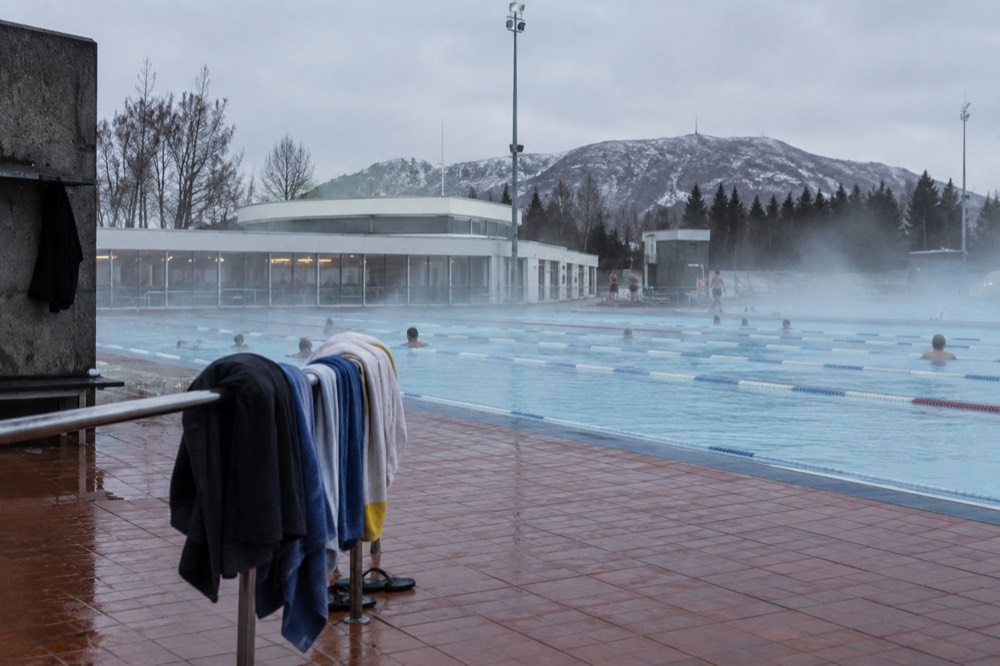
The rest of the day costs what you choose to spend. A picnic from Bónus or Krónan runs about 900 to 2,500 ISK per person in basics, against several times that for a restaurant table. The public pools are the best value in the country at 1,500 ISK adult entry under the tariff in force since May 5, 2026, per the city's official price schedule. And the buses are cheap enough to use without thinking: 690 ISK a ride, valid 75 minutes with transfers, children 11 and under free, per Strætó's pricing page. For anyone stretching a short visit, the piece on how much money to take for five days works this out into a full budget.
Which Attractions That Look Free Will Still Charge You?
Four traps catch budget visitors every year. Nauthólsvík geothermal beach charges 1,500 ISK year-round with no free summer window, the Perlan observation deck cannot be bought separately from a ticket, the Hallgrímskirkja tower lift costs 1,500 ISK even though the nave is free, and the Reykjavík City Card is a paid product at 6,100 ISK for 24 hours, so anything described as free with the card is not free.
The beach is the biggest one. The claim that Nauthólsvík is free from mid-May to mid-August is repeated all over the internet and contradicted by the operator's own tariff, which is a flat entrance pass matching the city pool schedule. Adults pay 1,500 ISK, children 10 to 17 pay 400 ISK, and under-10s swim free with an adult. It is still one of the better-value tickets in the city, but it is a ticket.
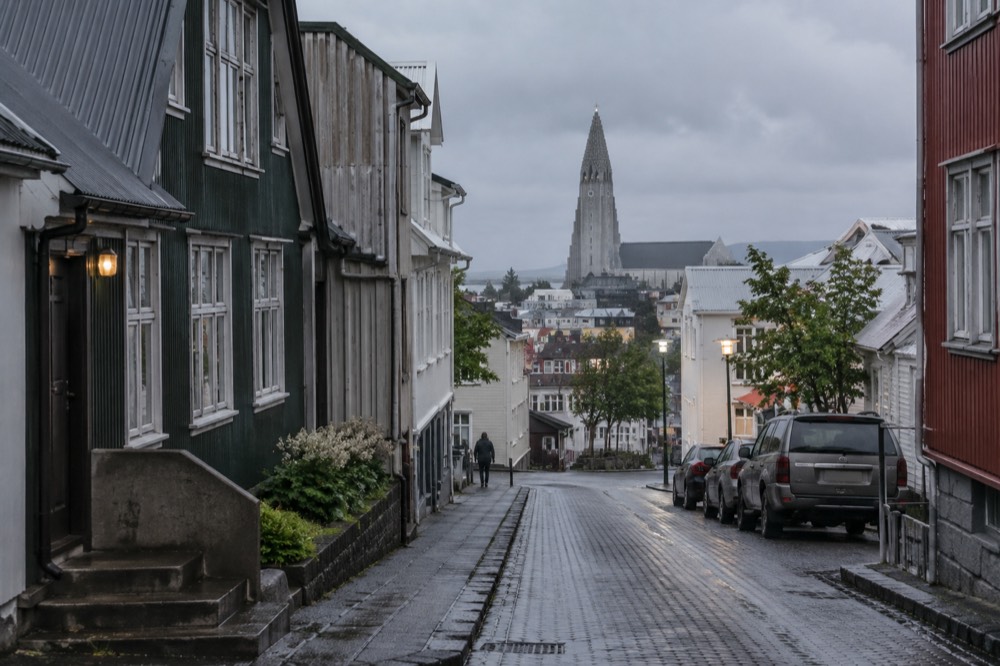
Hallgrímskirkja is more nuanced. The nave costs nothing, and occasional organ and choir events there are free too. The tower lift, with the view everyone photographs, is paid, and from June 1, 2026 it costs 1,500 ISK for adults per the church's own opening hours and price page. Perlan is simpler: the observation deck is included with every ticket and cannot be purchased on its own, so the free alternative is the walk up Öskjuhlíð hill behind it, which gives a view that costs nothing.
| Attraction | Common claim | Reality in 2026 |
|---|---|---|
| Nauthólsvík geothermal beach | Free in summer | Paid year-round, 1,500 ISK adult |
| Perlan observation deck | Sometimes listed as free | Only with a full Perlan ticket |
| Hallgrímskirkja | Free | Nave free, tower lift 1,500 ISK adult |
| Reykjavík City Card | Makes things free | A paid pass, 6,100 ISK for 24 hours |
| Reykjavík Art Museum | Free day claimed | No free day, 2,550 ISK adult, under-18s free |
| National Museum of Iceland | Free | 3,300 ISK adult, under-18s free |
The City Card deserves its own sentence because the wording around it misleads people. The card itself costs 6,100 ISK for 24 hours, 8,500 for 48 and 10,500 for 72, and it bundles museums and transport that are otherwise paid. It can be a good purchase, but nothing it includes is free, and a page like this one will not call it free. The museums, for what it is worth, are honest about their own prices: under-18s get in free at the Art Museum, the National Museum, the National Gallery and the city museum sites, which makes them genuinely free family options.
Is The Countryside Around Reykjavik Free Too?
Yes, and this is where Iceland quietly beats most of Europe. Heiðmörk nature reserve, 3,200 hectares of lava fields, forests and ponds just outside the city, is free to everyone year-round, with no gate, no ticket office and no parking charge. The same goes for the Elliðaárdalur valley inside the city and the Öskjuhlíð woods behind Perlan.
Heiðmörk is the local answer to a national park, and the reserve's own line is that everyone is welcome. Trails run through birch planting and old lava flows, Rauðhólar's red pseudocraters sit at one edge, and in mid-August to mid-September the berry picking is free where the crop allows. You reach it by bus or a short drive, and once there, nothing costs anything. It is the clearest example of the country's default setting: the landscape is the attraction, and the landscape has no till.
Elliðaárdalur is the same idea on a smaller scale, a paved green valley with a salmon river running through it, entirely inside the city and entirely free. Öskjuhlíð gives you the wooded hill climb and the viewpoint that Perlan's deck sells, minus the glass. Between these three, a visitor without a car can spend two full days outdoors without paying a króna beyond bus fare.
Can You Hike A Mountain For Free?
Yes. Mount Esja, the ridge that dominates Reykjavik's skyline across the bay, has free marked trails from the trailhead at Mógilsá, ranging from an easy lower loop to a steep climb toward the summit strip. No permit, no fee, no guide required, just ordinary hill sense and Icelandic weather respect.
Esja is the mountain you see from every waterfront photo, and it is a genuine half-day hike rather than a viewpoint drive. The city's own tourism material lists it plainly as free. The lower paths are manageable for most visitors; the upper reaches near Steinn turn rocky and exposed, and the weather on the ridge can change faster than the forecast. Check the conditions, dress in layers, and turn back if the cloud drops. Parking arrangements at the trailhead are not clearly published either way, so a bus-plus-walk plan is the safe budget assumption.
The pattern repeats across the region. Heiðmörk's trails, Elliðaárdalur's paths and the Esja network mean that hiking, which is a paid guided product almost everywhere else in the tourism world, is a free public facility here. That single fact rewrites a lot of budgets. A visitor who planned two paid excursions can swap one for Esja and keep the money for a meal.
Can You See The Northern Lights On A Budget?
Yes, entirely for free, if you come in the right season and pick the right spots. The aurora season runs September to April, and the city's own tourism office names Klambratún, Öskjuhlíð, Grótta, Elliðaárdalur and Seltjarnarnes as public viewing points. No tour bus needed, just a clear night, dark skies and patience.
The commercial aurora tours are not a scam, they chase clear weather and know the sky. But they are also selling something the public parks give away. The trick is darkness: the brighter the surroundings, the weaker the display looks, so walk ten minutes out of the centre to a park or the shoreline and the same sky improves sharply. Grótta, the lighthouse area on the Seltjarnarnes peninsula, is the classic spot, with one real caveat, access is banned from May 1 to July 15 for the arctic tern nesting season, and the causeway floods at high tide, so check the tide before you walk out.
In summer the same free sky performs differently, with near-continuous daylight around the solstice. On June 21 the sun sets after midnight and rises before 3 a.m., leaving only a couple of hours of dusk. That is its own free attraction, and it costs nothing to sit on a bench at Tjörnin and watch the light refuse to go out.
Where Does The Money Go If You Spend It?
On the three big line items that no amount of free walking can absorb: accommodation, car hire and food. A paid day trip beyond the capital changes the arithmetic too, so pick one or two paid outings and let the free landscape carry the rest.
If you do want to leave the city limits, the classic paid-and-free mix is a soak in the Reykjadalur hot river near Hveragerði, where the hike in costs nothing and the hot stream at the end of it is the reward, a stop at Þingvellir National Park, where entry to the site itself is free and only parking is paid, and, for museum-heavy visitors, the Reykjavík City Card, which is a paid pass at 6,100 ISK for 24 hours but can pay for itself if you were buying museum tickets anyway. None of those three is free in the pure sense this page has been counting, and each is honest about what it charges. The point of the arithmetic is that a trip built on the free layer, the walks, the parks, the coastline, the sky, leaves room in the budget for exactly the paid things worth paying for.
Common Questions About Visiting Iceland On A Budget
Is Iceland Cheap To Visit?
Not by most European standards, but it is far more manageable than its reputation. Buses, pools and hot dogs are reasonably priced, the signature sights are largely free, and the walking tours cost only what you choose to tip. Budget around the paid extras, airport transfers, alcohol and restaurants, and the trip stops looking frightening.
How much money do I need per day in Iceland?
Around 3,000 to 5,000 ISK per person beyond accommodation for a careful day: free walking tour with a tip, bus fares at 690 ISK each, a hot dog or picnic lunch, a 1,500 ISK pool entry and supermarket food. Add restaurant meals and beer and the figure roughly doubles.
Are the free walking tours in Reykjavik really free?
Yes, in the tip-based sense. CityWalk and Sweet Streets charge nothing up front and you pay what you feel at the end, typically 2,000 to 5,000 ISK per person. Sweet Streets is cash only, so bring notes.
What is the cheapest month to visit Iceland?
Outside the June to August peak, prices drop across accommodation and car hire, and the aurora season from September onward adds free evening entertainment. The city's free attractions cost the same all year, so the savings come from beds and vehicles rather than activities.
Is food expensive in Iceland?
Restaurant food is, with a cheap sit-down meal around 3,300 ISK and beer at 1,400 to 1,800 ISK. Supermarkets, hot dogs at 600 to 820 ISK and petrol-station coffee at 300 to 400 ISK keep the food bill sane if you cook or picnic some days.