Free Camping In Iceland: What Is Actually Free And What Is Not
True free camping in Iceland is mostly a myth, but free access to the country's best nature is not. Here is where the money actually goes, and where it does not.
Short answer
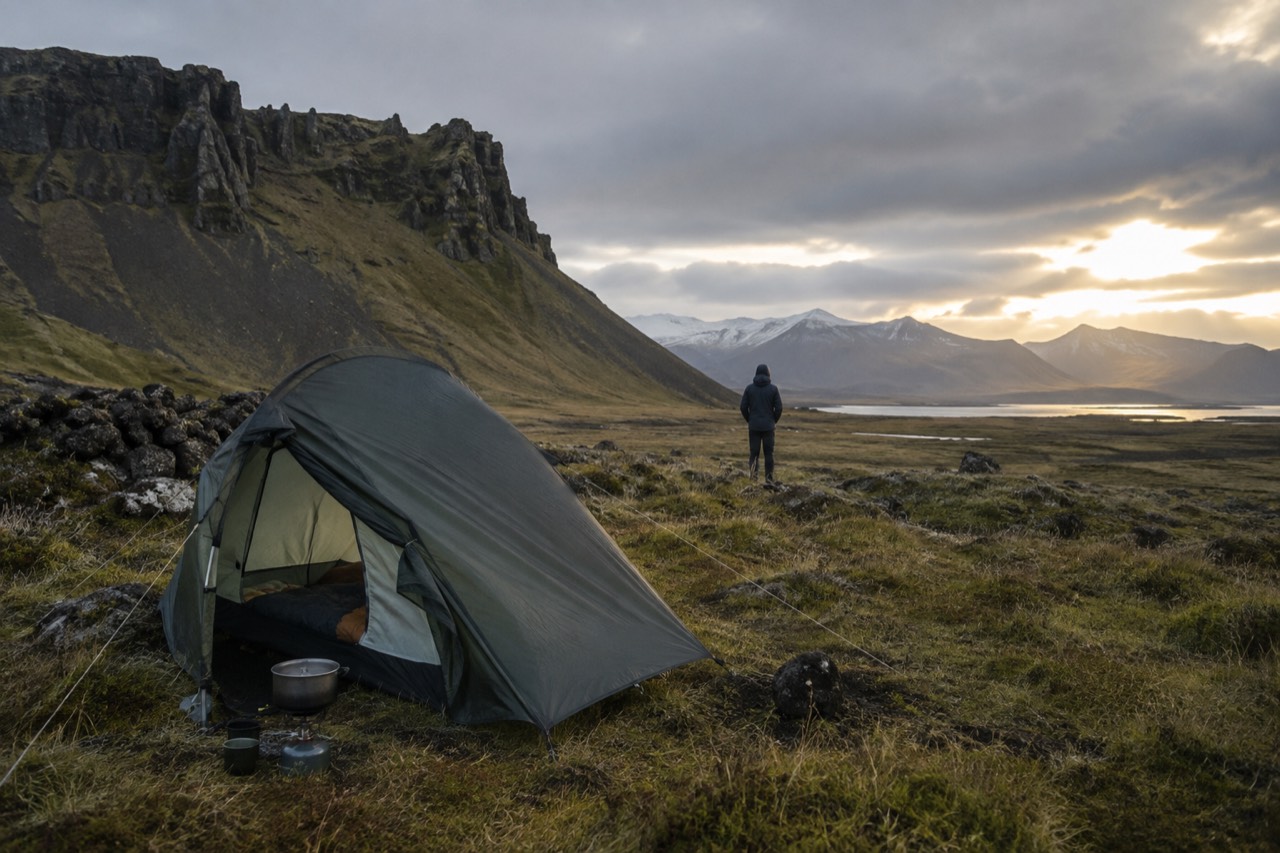
Iceland does not allow free roadside camping, so genuinely free overnight spots barely exist. What is free is the land itself: Heidmork, Mount Esja's trails, Thingvellir's entry and the Reykjadalur hot river all cost nothing to enjoy. Campsites charge a lodging tax of 400 ISK per unit per night, and the realistic budget play is a cheap site plus free nature around it.
Free camping in Iceland is one of those search terms that promises more than the country delivers. The old image of pitching a tent beside a waterfall for nothing has not matched reality for years: overnight stays are expected at designated campsites, and the campsites that exist charge, because the law attaches a lodging tax of 400 ISK per campsite or motorhome unit per night to every one of them. That tax, collected on sales since it was adjusted in 2025, is the clearest signal that free camping in the strict sense is off the menu.
What the search term should really mean, and what this guide covers, is the version that does work. The land itself is the free part. Heidmork's 3,200 hectares, the Mount Esja trail network, Thingvellir's entry and the Reykjadalur hot river all cost nothing to walk, bathe in and camp beside, and a night at a basic Icelandic campsite is still among the cheapest sleeping options in a country where a hotel room carries an 800 ISK nightly tax of its own. This page lays out where the free access genuinely is, what the surrounding costs look like, and how to build an Iceland trip around paying for the pitch and nothing else.
What Does Free Camping In Iceland Actually Mean?
Strictly speaking, free camping in Iceland means free access to nature rather than free overnight parking. Iceland expects tents and campervans to stay at designated campsites, and every campsite unit carries a 400 ISK nightly lodging tax, so the sleeping part always costs something. The genuinely free layer is everything around the pitch: hiking, hot rivers, reserves and viewpoints charge nothing at all.
That distinction is the whole game. A traveler who arrives expecting to sleep for free anywhere will be disappointed and possibly moved along. A traveler who budgets a modest campsite fee and then treats the country's trails, geothermal rivers and nature reserves as a free buffet comes out ahead, because the activities that would cost real money almost anywhere else in Europe cost nothing here.
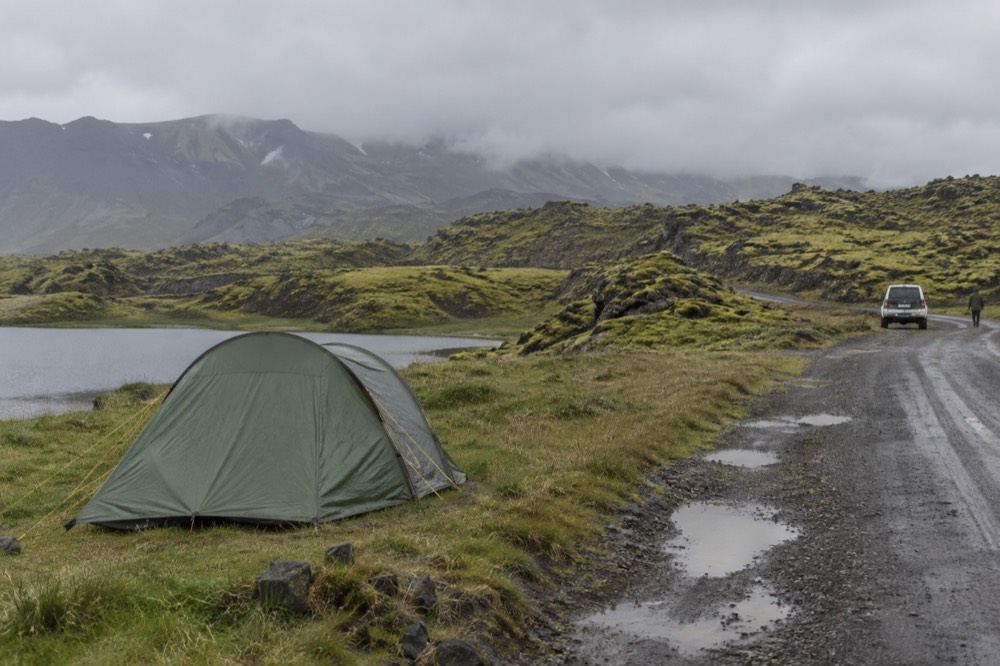
The numbers behind that campsite fee are worth understanding. The lodging tax, gistinattaskattur, is 800 ISK per night for hotel and guesthouse units and 400 ISK for campsites and motorhome spots, and it is collected on the sale, meaning it is built into the price you pay rather than added at the desk. Campsites therefore have a legal floor under their pricing, and a site advertising a very low nightly rate is still collecting that tax. What varies is everything on top: facilities, location and season.
None of this makes Iceland a bad camping destination. It makes it an honest one. The campsites sit beside some of the most dramatic free landscape in Europe, and the free layer, the part this site exists to map, is thicker here than almost anywhere. If you are widening the trip beyond the capital, the free things to do in Iceland run on exactly the same logic: pay for the bed, take the land for free.
Can You Sleep Anywhere For Free, And Where Does The Free Access Actually Sit?
No, not in the roadside sense. Overnight stays belong at designated campsites, and the free part of the equation is the access around them. Heidmork nature reserve, the Mount Esja trails, Thingvellir National Park's entry and the Reykjadalur hot river are all free to use, with conditions on parking and seasonal closures that this guide details below. Reykjavik itself adds free city layers, including two genuinely free walking tours.
The practical pattern for a budget trip is a base plus a radius. Camp near the thing you came for, then spend your days inside the free layer. Around Reykjavik that radius is unusually rich: a nature reserve of 3,200 hectares, a mountain with a full trail system, a national park and a geothermal river all sit within reach of the capital's campsites.
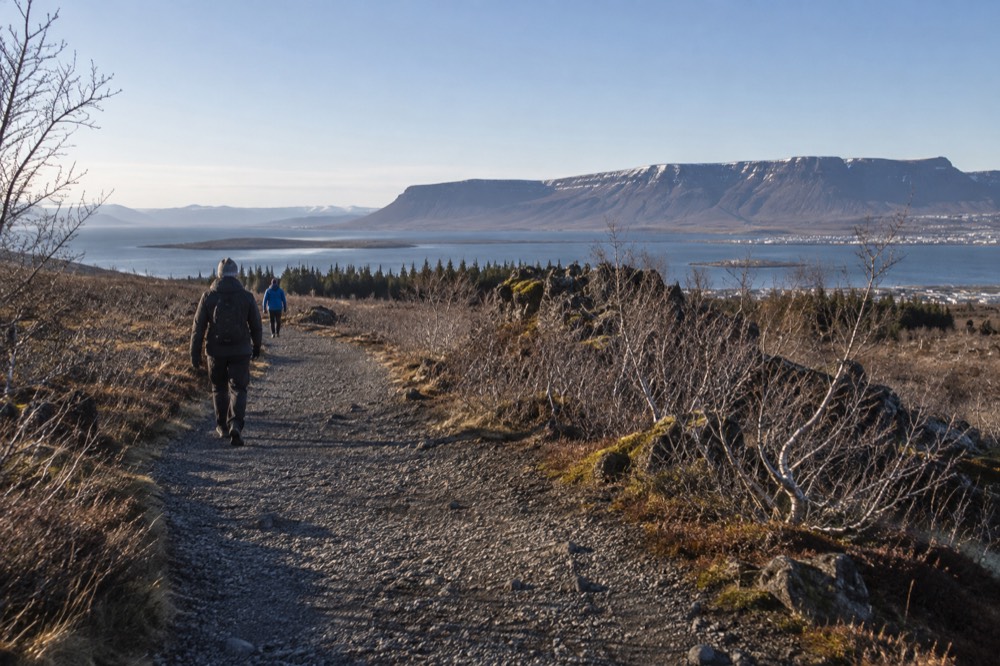
Before you drive anywhere, the city itself is worth a free orientation, and Reykjavik has exactly the walks for that. The dominant one is CityWalk's free tour, listed on freetour.com, rated 9.6 out of 10 across 6,683 freetour.com reviews, running every day at 10:30 and 13:30 from Austurvollur square in front of the Parliament building. It covers about 2 km over two hours and costs nothing up front. The smaller English option is Sweet Streets, a GuruWalk listing rated 4.6 out of 5 across 87 GuruWalk reviews, which runs Monday, Thursday, Friday, Saturday and Sunday at 11:00 in English and takes cash tips only, so bring notes if you plan to join it.
Both walks are pay what you want, so the honest way to think about them is as a free product with a tip at the end. GuruWalk suggests a range and freetour.com's listing is tip based too; typical tips run 2,000 to 5,000 ISK per person. Neither walk is operated by this site, and both are other people's businesses, which is exactly why naming the platform matters: you can check each guide's own listing before you commit an evening to them.
Which Free Nature Areas Sit Closest To Reykjavik?
Heidmork and Mount Esja are the two headline free areas on the capital's doorstep. Heidmork is a 3,200 hectare nature reserve that anyone may enter at no charge, and Esja's hiking trails are free year round. Both sit within easy reach of Reykjavik's campsites, making them the default free days out for anyone basing themselves near the city.
Heidmork, spelled Heiðmörk in Icelandic, is the quieter of the two and the easier sell for a slow day. The reserve's own position is simply that everyone is welcome, and there is no gate, no ticket and no season. Its trails, birch scrub and lava fields make it a place to spend hours rather than minutes, and its size, 3,200 hectares, means it absorbs crowds in a way the city centre cannot. It is also one of the spots the city's own visitor information names for northern lights viewing, which turns an evening at a nearby campsite into a two-for-one.
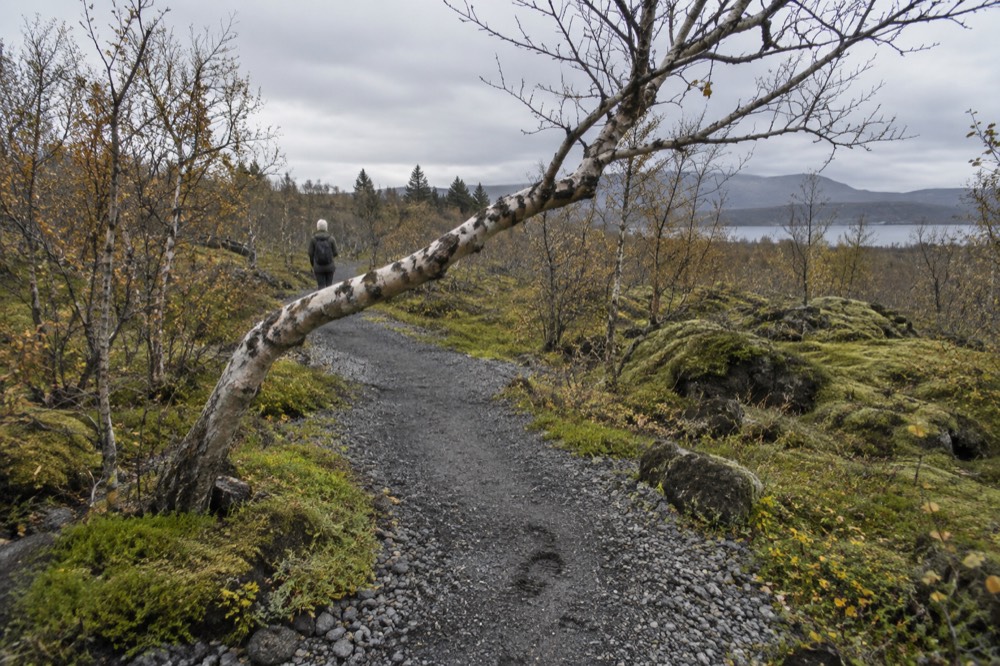
Esja is the mountain you see from the city, and its trail network is free in the way Icelandic mountain access is generally free: no permit, no fee, just weather to respect. The city's own guide to viewpoints lists Esja plainly with a cost of free. One honest gap in the research: no official page confirms or denies a parking charge at the trailheads, so treat that as unknown and check before you go rather than assuming either way.
Between the two, a camper based near Reykjavik has a full free weekend without spending a króna on activities. Both pair naturally with an evening back in the city, and if you want a third free layer, the Oskjuhlid woods and trails sit almost inside town and cost nothing either. The reserve's official English page is worth a read before you plan a route: Heidmork's own site.
If the mountain day ends early, the CityWalk tour's 13:30 departure is a comfortable fit for an afternoon back in town, and its free-cancellation model means a change of plans costs nothing.
What About Thingvellir And The Reykjadalur Hot River?
Thingvellir National Park's entry is free, but parking a car of up to five seats costs 1,000 ISK for the day, so it is conditionally free for drivers and genuinely free for anyone arriving by other means. Reykjadalur's hike and its hot river bathing cost nothing, but the trailhead parking at Arholmar is charged, with no official current tariff published, so no figure can be given.
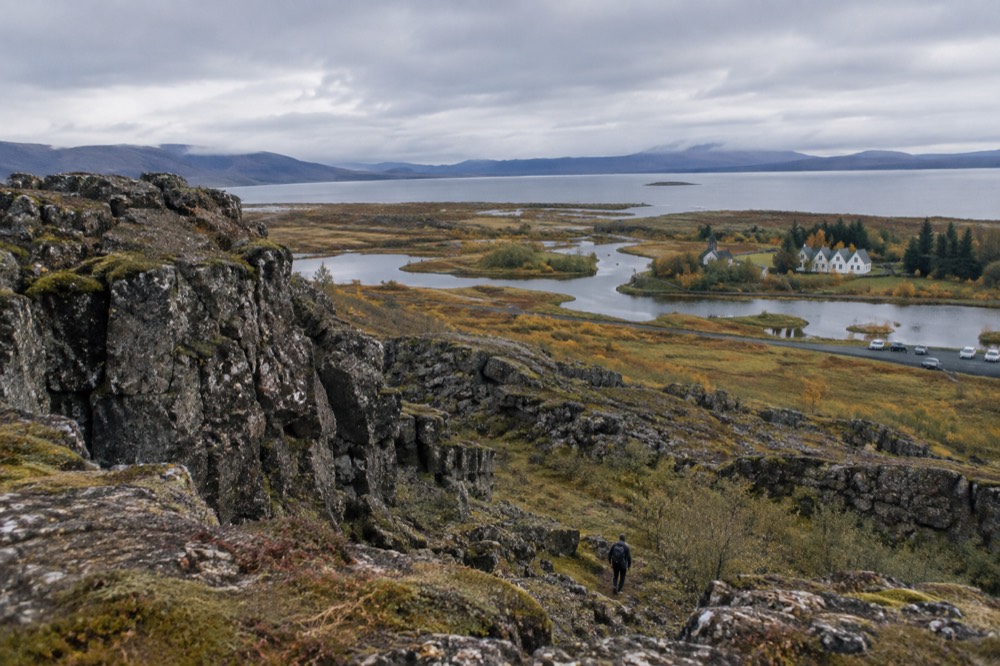
These two are the classic day trips from the capital, and both carry the same shape of caveat: the experience is free, the parking is not. Thingvellir's own service page sets the parking tariffs plainly, 1,000 ISK for a car up to five seats, valid all day across the main lots, and that ticket is the only mandatory cost of a visit. The park itself, the rift valley, the walking routes between the North American and Eurasian plates, all of it is open without an entrance fee.
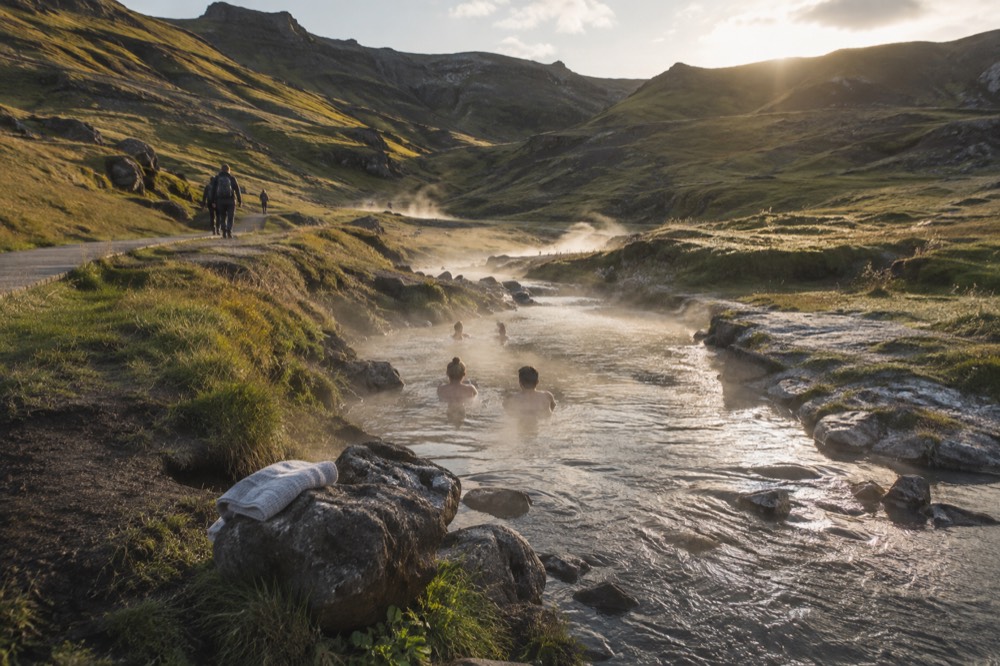
Reykjadalur, the geothermal river near Hveragerdi where hikers bathe in the warm water for free, is the same story with less certainty. The hike is free, the bathing is free, and the parking at Arholmar is charged, but Hveragerdi publishes no current tariff and third-party figures conflict, so the honest advice is simply that the car park is paid and the amount should be checked on site. Do not trust any specific number you read elsewhere, including round figures quoted confidently in listicles.
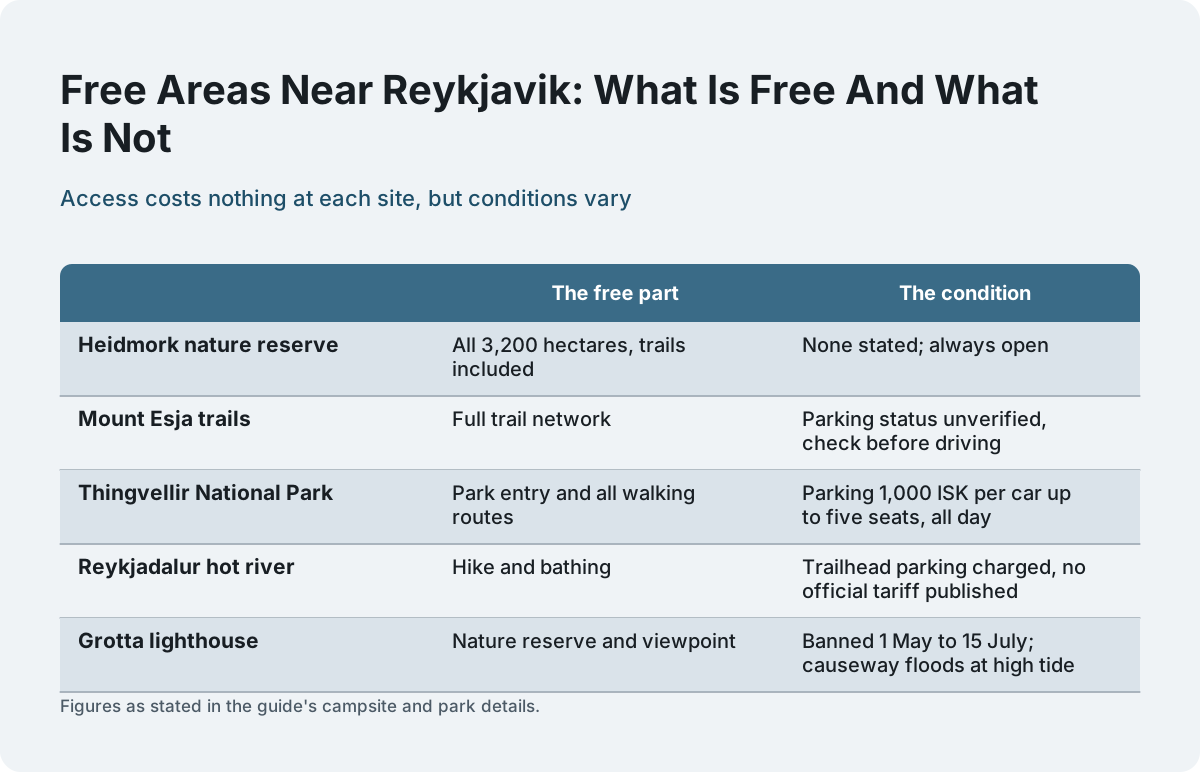
The table below collects the conditions in one place, because each of these spots is free with a qualifier, and the qualifier is the part that ruins trips when it is ignored.
| Free area | The free part | The condition |
|---|---|---|
| Heidmork nature reserve | All 3,200 hectares, trails included | None stated; always open |
| Mount Esja trails | Full trail network | Parking status unverified, check before driving |
| Thingvellir National Park | Park entry and all walking routes | Parking 1,000 ISK per car up to five seats, all day |
| Reykjadalur hot river | Hike and bathing | Trailhead parking charged, no official tariff published |
| Grotta lighthouse | Nature reserve and viewpoint | All access banned 1 May to 15 July; causeway floods at high tide |
For the official parking detail on Thingvellir, the park's own page is the source: Thingvellir parking service. If a hot-river day is the anchor of your trip, the wider free hot springs in Iceland guide runs on the same rule: the water is free, the car park often is not.
What Will The Rest Of A Camping Trip Actually Cost?
A realistic daily budget for a camper in Iceland is small but not zero: a campsite pitch with the 400 ISK nightly tax built in, about 690 ISK per capital-area bus ride, a hot dog at 600 to 820 ISK and coffee at 700 to 900 ISK. The swimming pools, at 1,500 ISK adult entry since the May 2026 tariff, are the cheapest warm-water upgrade in the country.
The point of a free-camping strategy is not that the trip costs nothing. It is that the cost concentrates on sleeping and eating while the activities drop to zero. The figures below are the ones that matter for planning, drawn from the city's own tariff pages and 2026 price lists.
| Item | Typical figure | Notes |
|---|---|---|
| Campsite lodging tax | 400 ISK per unit per night | Built into the site's price, not added at the desk |
| Hotel lodging tax | 800 ISK per unit per night | The comparison that makes camping rational |
| Strætó bus, capital area single | 690 ISK adult | Contactless or app, valid 75 minutes with transfers |
| Strætó 24-hour pass | 2,750 ISK | Day passes otherwise being discontinued |
| Public swimming pool | 1,500 ISK adult | Tariff in force since 5 May 2026; children 0-9 free |
| Hot dog with everything | 600-820 ISK | The standard budget meal |
| Cafe coffee | 700-900 ISK | Petrol stations run lower, around 300-400 ISK |
| Draught beer, 0.5L | 1,400-1,800 ISK | Happy hour often 800-1,000 ISK |
Two structural notes for drivers. A per-kilometre road tax came into force on 1 January 2026, around 6.95 ISK per km for cars and SUVs by the statutory rate, which shifts the arithmetic of long driving days and is usually passed through by rental operators. And city parking in Reykjavik is zoned, with the P1 core at 660 ISK per hour, so leaving a camper downtown is its own expense. The free parking in Reykjavik guide maps the zones and the free hours in detail.
How Do You Reach The Free Spots Without A Car?
Without a vehicle, the free layer around Reykjavik is still reachable: Strætó's capital-area buses cost 690 ISK per single adult ride with 75-minute transfers, and several of the best free areas, including Oskjuhlid, Elliðaardalur and the Old Harbour, sit inside walking distance of the centre. The airport link is the one unavoidable fare, with the Flybus at 3,999 ISK one way from Keflavik to the BSÍ terminal.
The car-free version of this trip is genuinely workable, and it changes which free areas you pick. Esja and Thingvellir are car projects or careful bus planning. Elliðaardalur, the wooded valley with paved paths that the city itself lists among its free things, and the harbour waterfront are walkable from any downtown campsite or hostel.
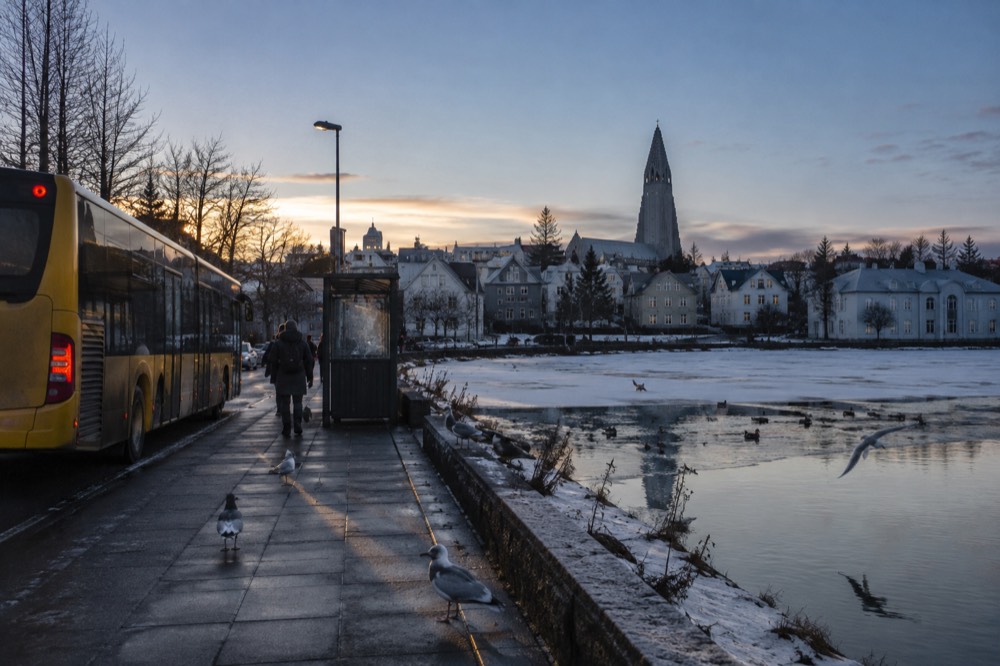
The bus fares are worth learning properly rather than guessing at. A single adult fare is 690 ISK paid by card or app and covers transfers for 75 minutes, children 11 and under ride free, and fare capping limits you to three paid rides a day or nine a week on the same card. The official price list is the authority here: Strætó pricing. For the airport run, the Flybus costs 3,999 ISK adult one way to BSÍ, with children 1 to 5 free, and Strætó's route 55 is the cheaper alternative at roughly 2,400 ISK.
What Can You Do For Free On The Days You Stay In The City?
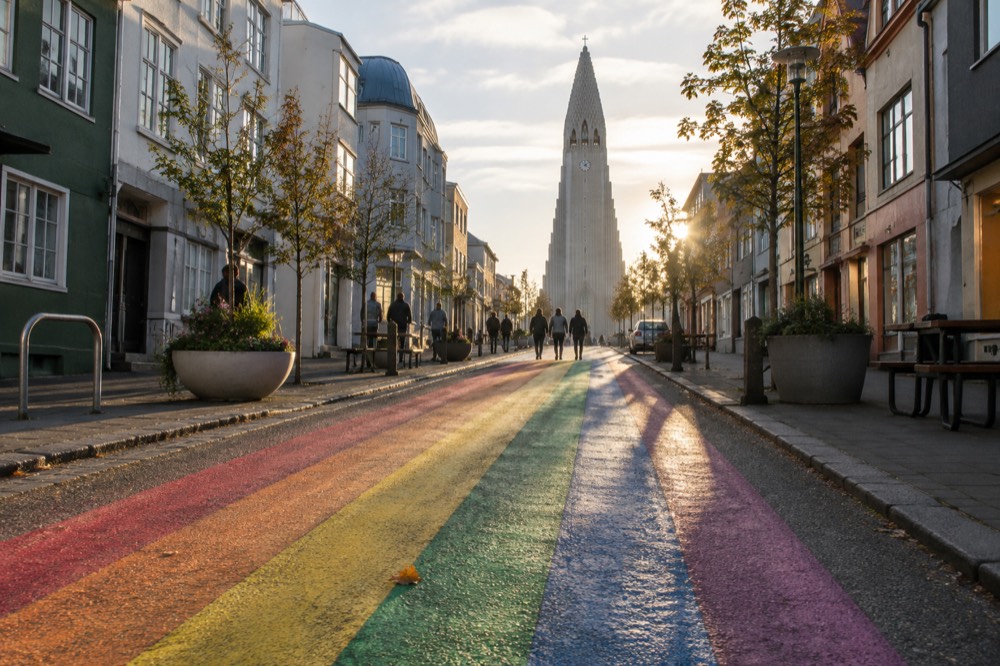
Reykjavik's free city layer is thick enough to fill two full days: Harpa's foyer and its Hljóðhimnar sound installation, the Sun Voyager sculpture, Rainbow Street, Tjörnin pond, the Botanic Garden and 160-plus mapped street art works all cost nothing. The free walking tours thread most of them together in two hours, which makes a walk day the cheapest possible sightseeing in the country.
This is where the camping trip's rest days cost nothing. Harpa's own admission statement is blunt: entry to Harpa and Hljóðhimnar is free, with the building open Sunday to Tuesday 10:00-18:00 and Wednesday to Saturday 10:00-20:00. The Sun Voyager sits on the waterfront outside. Rainbow Street is a public street, Tjörnin is an open park, and the Botanic Garden is always open with its greenhouse keeping summer hours. A free walk covers this ground: Morning Walk From Harpa, Cash Tips.
The Sweet Streets walk, the GuruWalk listing that runs at 11:00 on Monday, Thursday, Friday, Saturday and Sunday, starts at the Harpa building, which makes it a natural anchor for a harbour-and-Harpa day. It is a small-group walk, taking bookings up to 10 people and needing a minimum of 5 to run, a real caveat for off-season travellers. Cancellation is free on both GuruWalk walks, with the guides asking that you cancel rather than no-show, though no deadline is published.
Spanish speakers have their own option, and it is worth naming precisely so nobody mistakes it for a third English choice. The Spanish-Language Legends Walk on GuruWalk, a listing created on 27 August 2026 and labelled new by the platform with no reviews yet, runs Monday to Friday at 17:00 and Saturday and Sunday at 11:00, meeting at Arnarholl. The same walk also appears on freetour.com, so it is one walk with two listings, not two separate tours, and it accepts card tips where Sweet Streets takes cash only.
The Reykjavik street art guide maps more than 160 works the city has catalogued itself, and the city's own line on it is that you do not have to pay to enjoy it. Between the walks, the sculptures and the murals, a rest day in the capital can genuinely end with a zero in the activities column.
Which Free Claims About Iceland Are Traps?
The traps to ignore are the ones that rebrand paid things as free: Nauthólsvík geothermal beach charges 1,500 ISK adult entry year round with no free summer window, the Perlan observation deck cannot be bought separately from a ticket, and anything described as free with the Reykjavik City Card is not free, because the card itself costs 6,100 ISK for 24 hours.
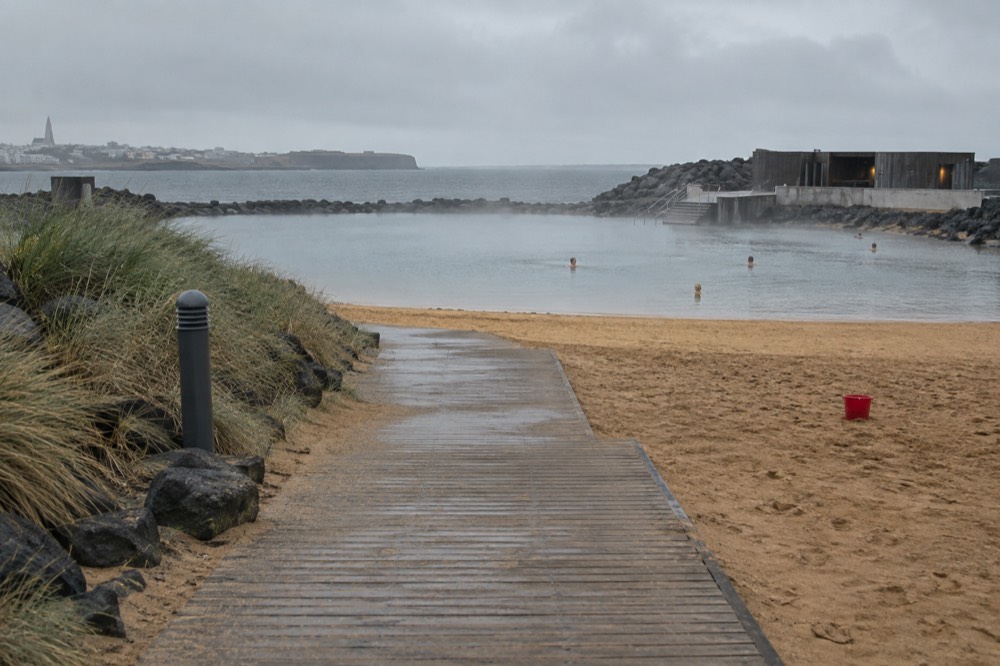
The geothermal beach is the single biggest one. The widely repeated claim of a free summer window, roughly mid-May to mid-August, is contradicted by the official tariff, one flat entrance pass matching the city pool tariff of 5 May 2026: adults 1,500 ISK, children 0-9 free, ages 10-17 at 400 ISK. There is no seasonal free period. If a hot-water day is the goal, the pools at 1,500 ISK or the free Reykjadalur river are the honest options.
| The claim | The reality | The free alternative |
|---|---|---|
| Nauthólsvík beach is free in summer | 1,500 ISK adult entry year round, no free window | Reykjadalur hot river, genuinely free to bathe |
| Perlan's observation deck can be visited | Only with a full Perlan ticket, no separate deck sale | Hike Oskjuhlid hill beside it, free |
| Free with the Reykjavik City Card | The card costs 6,100 ISK for 24 hours, so nothing on it is free | The 20 genuinely free attractions need no card |
| Hallgrímskirkja is free | The tower is 1,500 ISK adult; only the exterior and nave are free | The Einar Jónsson sculpture garden behind it, free year round |
The City Card trap deserves its own sentence, because it is this site's version of a recurring error: a card you pay 6,100, 8,500 or 10,500 ISK for does not make anything free, it prepays it. The museums on it are real and the under-18 free entry at the Art Museum, National Museum, National Gallery, Settlement Exhibition and Arbæjarsafn is genuinely free, but that is a condition on age, not on a card. The full breakdown lives in the free museums in Reykjavik guide.
How Should You Plan A Free-Camping Trip, Step By Step?
Plan it as a cheap base plus a free radius: book campsites rather than expecting roadside nights, put the 400 ISK nightly tax and the 1,000 ISK Thingvellir parking into the budget up front, and spend the activity budget on nothing, because Heidmork, Esja, Reykjadalur, the park entry and the city's free layer cover every day. Time the trip around the free events, and let a free walking tour orient you on day one.
Timing matters more than most guides admit. Culture Night fills the city with free events and even free late-evening buses, the Winter Lights Festival in early February opens museums free on Museum Night, and the New Year bonfires, ten of them across the city, are free public gatherings. The northern lights season runs September to April, and the public viewing spots, Grótta, Oskjuhlid, Elliðaardalur and others, cost nothing to stand in.
A sensible first day is the CityWalk free tour at 10:30 or 13:30 from Austurvollur, rated 9.6 out of 10 across 6,683 freetour.com reviews, which finishes at City Hall after two hours and costs whatever you choose to tip. It is the long-running, dominant free walk in this city, and it is the fastest way to learn the geography before you head for the reserves. Bookings open roughly five days in advance and each booking takes up to six people.
For the wider money picture, the Iceland on a budget guide collects the full cost picture, and the city's own free-things page is the primary source for the attraction layer: Visit Reykjavik's free things to do.
The last word on the keyword itself: free camping in Iceland exists as a strategy, not as a loophole. Sleep where the campsites are, walk where the land is open, and the trip ends up cheaper than almost any other way of seeing this country, with the Free Things To Do In Reykjavik directory covering the city days between the wild ones.
If the trip is shaping up around the city rather than the highlands, the free picks that fill the gaps around a campsite base are the ones this site maps in detail: the northern lights public viewpoints for the dark hours, the street art trail for a rainy afternoon, and the City Card arithmetic for anyone wondering whether it is worth carrying at all.
And if a walk is the anchor for your first day in the capital, these are the two free options worth comparing, one on freetour.com and one on GuruWalk.
Common Questions About Free Camping In Iceland
Is free camping in Iceland actually legal?
Not in the roadside sense. Overnight stays are expected at designated campsites, and every campsite or motorhome unit carries a 400 ISK nightly lodging tax collected on the sale. Free camping in practice means paying for the pitch and taking the surrounding land, trails and viewpoints for free.
Are there any genuinely free campsites in Iceland?
The research for this site found no verified free campsite. The lodging tax of 400 ISK per campsite unit per night applies across the board, which means even a minimal site has a legal floor under its price. Treat any free campsite claim as unverified until you see it on an official page.
Is Thingvellir National Park free to visit?
Entry is free, but parking is not. A car of up to five seats pays 1,000 ISK for the day, valid across the main lots. Arrive without a car and the park costs nothing, which makes it one of the best conditionally free day trips from the capital.
Can you bathe for free in a hot spring near Reykjavik?
Yes, at the Reykjadalur hot river near Hveragerdi. The hike and the bathing are free, though the trailhead parking at Arholmar is charged and no official current tariff is published, so check on site. The public pools and the Nauthólsvík beach are paid, at 1,500 ISK adult entry.
What does a free walking tour in Reykjavik cost?
Nothing up front. CityWalk's tour, listed on freetour.com and rated 9.6 out of 10 across 6,683 freetour.com reviews, runs daily at 10:30 and 13:30 from Austurvollur, and Sweet Streets on GuruWalk, rated 4.6 out of 5 across 87 GuruWalk reviews, runs at 11:00 on Monday, Thursday, Friday, Saturday and Sunday. Both work on tips, typically 2,000 to 5,000 ISK per person.
When is the best time to camp in Iceland for free activities?
June gives near-continuous daylight, with 21 hours 23 minutes of it at the solstice, and summer opens the full trail network. September to April brings the northern lights season and free viewing spots like Grótta and Oskjuhlid, but note that Grótta bans all access from 1 May to 15 July for nesting terns, and the causeway floods at high tide.