Reykjavik City Card: What It Costs And When It Pays Off
The Reykjavik City Card is a paid pass, not a freebie, and for many visitors the museums it bundles are either free already or skippable. Here is the arithmetic, the fine print and the honest alternatives.
Short answer
The Reykjavik City Card costs 6,100 ISK for 24 hours, 8,500 ISK for 48 hours and 10,500 ISK for 72 hours. It bundles paid museums, pools and transport, but under-18s enter most museums free anyway, and the city's best sights, from Tjornin to the Old Harbour, cost nothing at all.
The Reykjavik City Card is sold as a shortcut past Iceland's ticket counters, and for a certain kind of traveller it genuinely is one. But the card itself is a paid product, and this site exists to be honest about that line: plenty of what the card appears to unlock is either free for everyone, free for children, or free in a way the marketing does not spell out. The card costs 6,100 ISK for 24 hours, 8,500 ISK for 48 hours and 10,500 ISK for 72 hours, per the official Visit Reykjavik card page. Whether that pays off depends almost entirely on how many paid museums you will actually enter in a tight window, which is exactly the arithmetic this guide works through.
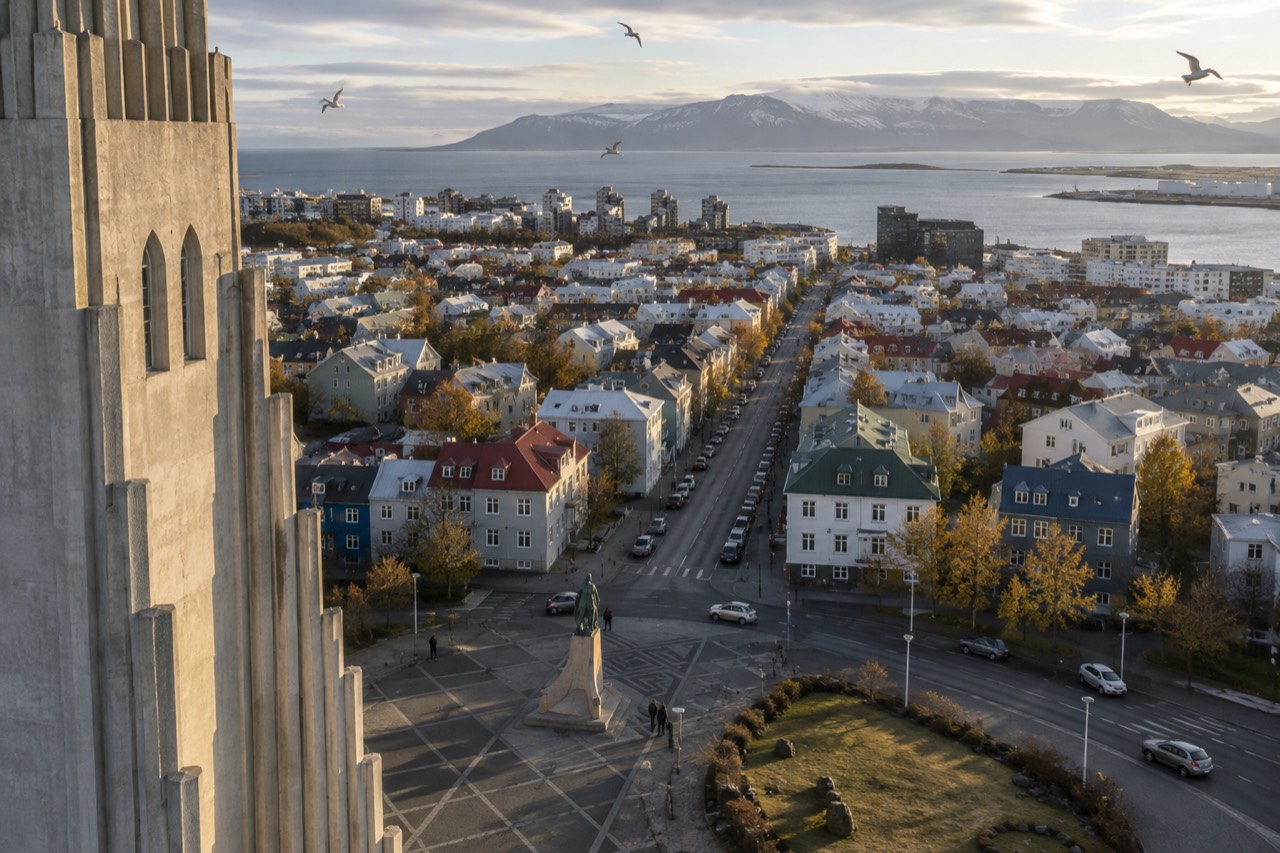
Before the maths, one framing worth fixing: the best of Reykjavik costs nothing. The Sun Voyager, Tjornin, Rainbow Street, the Old Harbour, the Harpa foyer and the street art scattered across 160-plus mapped works are all open to anyone walking past. A visitor who buys the card and then spends their days outdoors has bought a discount on things they were never going to pay for. A visitor cramming four museums and two pools into 48 hours can come out clearly ahead. The rest of this page is about telling those two travellers apart. This stop sits on a free walking route, Morning Walk From Harpa, Cash Tips.
Is The Reykjavik City Card Worth Buying?
For a museum-heavy itinerary of three or more paid sites in one or two days, the card usually pays for itself, since adult museum entries run 2,500 to 3,300 ISK each and pools add 1,500 ISK a visit. For a relaxed stay built around parks, waterfront walks and free walking tours, it rarely does, because most of what that itinerary touches was never charged in the first place.
The card's logic is bundling. Reykjavik's paid museums are individually modest in price but collectively meaningful: an adult paying separately for the Reykjavik Art Museum at 2,550 ISK, the National Museum at 3,300 ISK and the National Gallery at 2,500 ISK has already spent more than the 24-hour card costs, before a single swim. The 48-hour card at 8,500 ISK covers those three plus pools and buses, so the break-even sits at roughly three museums plus one pool inside the window. Add a Settlement Exhibition visit at 3,100 ISK and the card is comfortably ahead.
The failure mode is equally concrete. A traveller who enters one museum, skips the pools because the weather is glorious, and walks everywhere because central Reykjavik is compact has spent the 24-hour card price to save the price of a single museum entry at most. The card rewards density and punishes drift, and Reykjavik is a city that rewards drift.
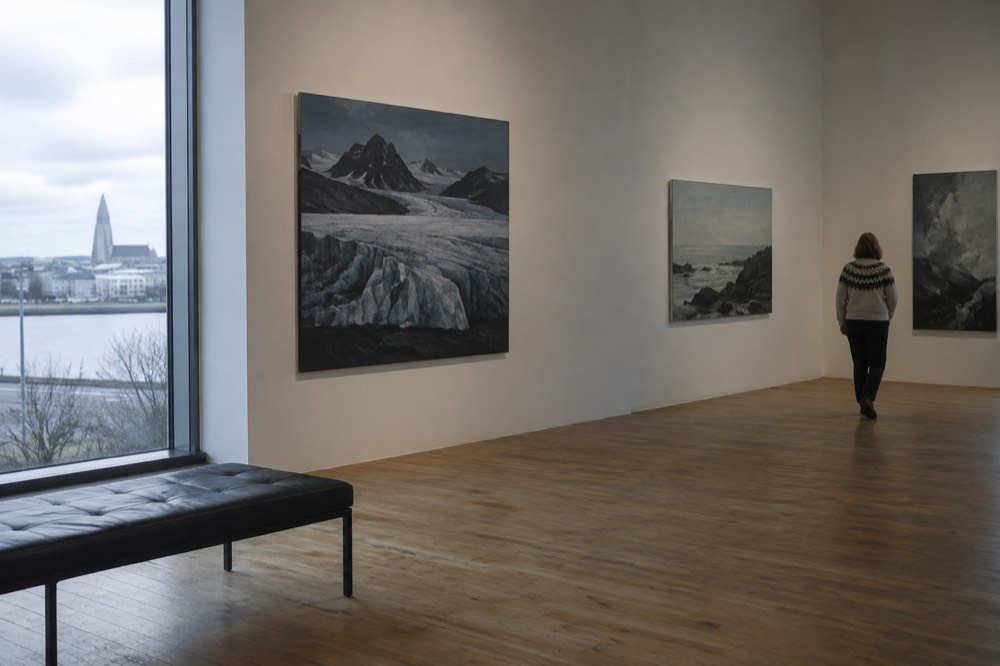
One price warning before anything else: the Art Museum's own admission page still lists older City Card prices of 5,500, 7,700 and 9,500 ISK, which conflicts with the official card page's current figures of 6,100, 8,500 and 10,500 ISK. Treat the card operator's page as the live one and the museum page as stale. Never let a page on this site tell you a card price without a source, and never let anyone tell you the card is free: it is a paid pass, and anything described as "free with the City Card" is a discounted thing you paid upfront to access.
| Card option | Price | Rough break-even point |
|---|---|---|
| 24 hours | 6,100 ISK | Two paid museums plus a pool |
| 48 hours | 8,500 ISK | Three paid museums plus a pool and a bus ride or two |
| 72 hours | 10,500 ISK | Four to five paid sites across three days, plus pools |
What Does The Reykjavik City Card Actually Include?
The card covers entry to the major state and city museums, the Reykjavik Art Museum's three sites, the public swimming pools, the Family Park and Zoo, Strætó buses in the capital area, and discounts at some tours, shops and restaurants. It does not cover the free walking tours, which are tip-based, and it does not make any free attraction more free than it already is.
The transport element deserves more attention than it usually gets. A single adult Strætó fare is 690 ISK, and the card includes unlimited capital-area bus travel, so a visitor staying outside the centre who buses in twice a day banks real money. A visitor staying downtown, where everything walkable is within twenty minutes, buses almost never. The same honesty applies to the pools: entry is a bargain at 1,500 ISK for adults, and the card covering it is pleasant, but a pool visit is a cheap pleasure, not a rescued one.
What the card never includes is the thing this site cares about most: the walks. Reykjavik's free walking tours are pay-what-you-want and have no ticket to skip. If a card-purchase decision is being made, it should be made knowing the walks sit outside it entirely, and that they are the single best-value introduction to the city. The two English-friendly options are below.
The full inclusion list is on the operator's own card page, and it shifts occasionally, so treat that page as the authority rather than any summary, including this one. Two structural points hold steady though: the card bundles paid city and state institutions, and it does not touch the genuinely free layer of the city at all, because there is nothing there to discount. For a fuller map of that layer, the free things to do across Reykjavik guide lists twenty sights that no pass will ever change the price of.
Do The Museum Maths Work In The Card's Favour?
For an adult doing the National Museum, the Art Museum's three sites and the Settlement Exhibition inside the card window, yes: those three adult entries alone, at 3,300, 2,550 and 3,100 ISK, already exceed the 24-hour card price of 6,100 ISK. For anyone visiting one or two museums, no, and the gap is not close.
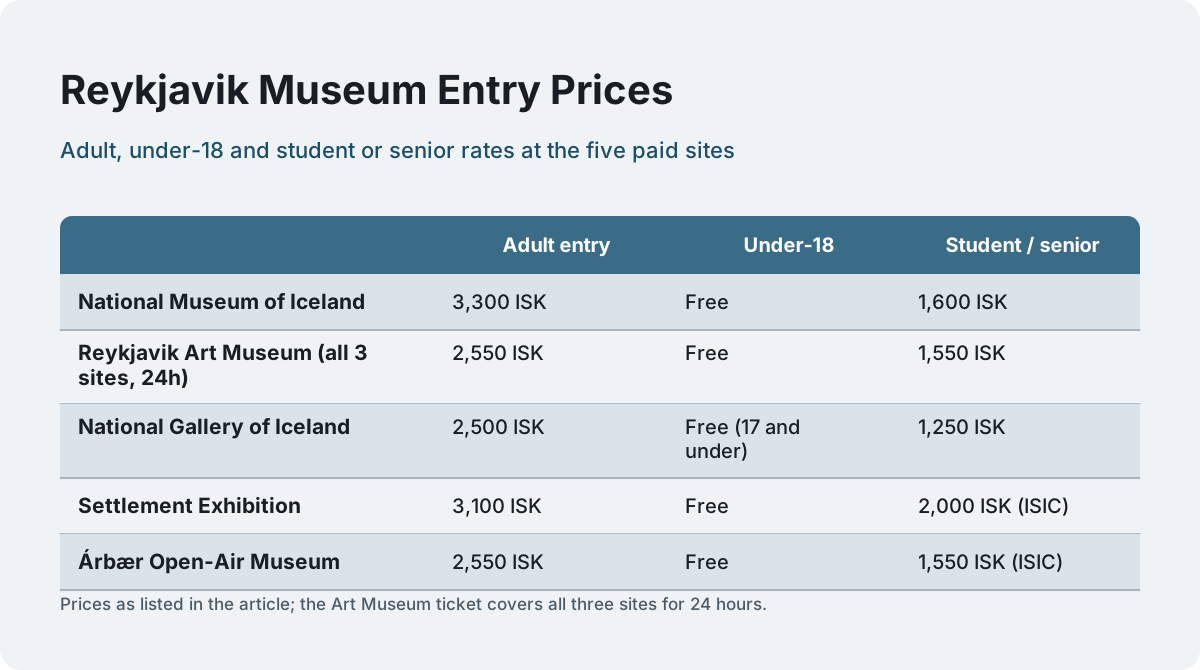
The per-site prices are the whole argument, so here they are plainly. The National Museum of Iceland charges adults 3,300 ISK, with students and seniors at 1,600 ISK and under-18s free. The Reykjavik Art Museum charges adults 2,550 ISK, students 1,550 ISK, under-18s free, and one ticket is valid for 24 hours across all three of its sites, which quietly makes it the best single museum buy in the city. The National Gallery charges adults 2,500 ISK. The Settlement Exhibition charges adults 3,100 ISK. The Árbær Open-Air Museum charges adults 2,550 ISK.
Notice what those figures do to the standard travel-blog claim that the card "saves you hundreds". An adult visiting the National Museum and one Art Museum site spends 3,300 ISK plus 2,550 ISK standalone, which lands just under the 24-hour card price of 6,100 ISK. The card only wins once a third paid site enters the day, and it wins big once a fourth does. The arithmetic is not mysterious, it is just rarely printed next to the sales pitch.
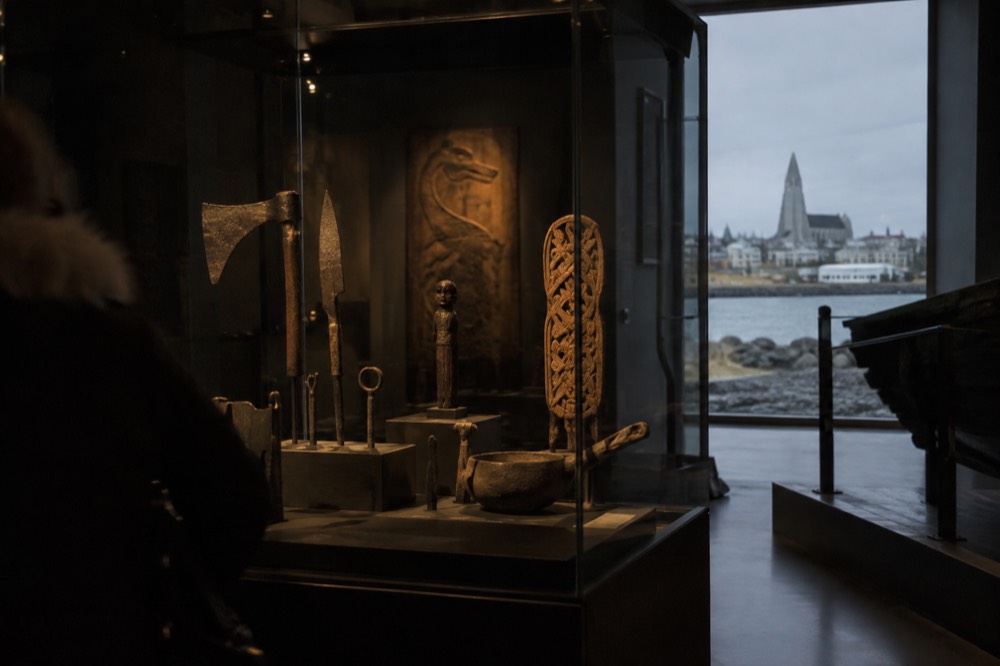
The National Museum is the heavyweight of the bundle and the one most card itineraries are really built around: its 3,300 ISK adult entry is the largest single museum ticket in the city, and its under-18 and student rates mean families and students should check their own eligibility before assuming the card helps them. You can read the full breakdown on the National Museum of Iceland companion page.
The Art Museum's own admission page is worth a look for a second reason: it confirms there is no free day, no free weekday and no resident-free rule, despite claims to that effect circulating in older guides. If a museum is on your list, it is a paid museum, and the only question is whether the card or the ticket window is cheaper for your specific itinerary.
| Site | Adult entry | Under-18 | Student / senior |
|---|---|---|---|
| National Museum of Iceland | 3,300 ISK | Free | 1,600 ISK |
| Reykjavik Art Museum (all 3 sites, 24h) | 2,550 ISK | Free | 1,550 ISK |
| National Gallery of Iceland | 2,500 ISK | Free (17 and under) | 1,250 ISK |
| Settlement Exhibition | 3,100 ISK | Free | 2,000 ISK (ISIC) |
| Árbær Open-Air Museum | 2,550 ISK | Free | 1,550 ISK (ISIC) |
Do Kids And Students Need The Card At All?
No, in most cases. Children and teenagers aged 0 to 17 enter the Art Museum, the National Museum, the National Gallery, the Settlement Exhibition and Árbæjarsafn free without any card, and disabled visitors are admitted free at the Art Museum and National Museum too. A family card purchase is almost always money spent on discounts the children already had.
This is the single most commonly missed fact about the card, and it is not buried: it sits on the museums' own published rate lists. A family of two adults and two teenagers visiting three museums pays for exactly two adult entries regardless of whether they hold a card, and the card's adult-only savings may not clear its own price once the children's "entries" turn out to be zeros. The card's family value therefore concentrates in the pools and the zoo, where children do pay: the Family Park and Zoo charges 1,600 ISK for ages 6 to 17, and pools charge 400 ISK for ages 10 to 17.
The under-18 free rule is worth pausing on, because it applies across the whole paid-museum layer, not just one or two sites. Every major state and city museum in the table above admits visitors aged 0 to 17 free, and disabled visitors are admitted free at the Art Museum and the National Museum as well. That means the card's headline "free entry to museums" benefit is, for a family, mostly a benefit the youngest members of the party already had before anyone bought anything.
Students get a partial version of the same deal. Student rates at every museum sit at roughly half the adult price, so a cardholding student needs even more visits to break even than an adult does. The honest summary: the card is priced for full-fare adults moving fast, and almost everyone else should do the sums before buying rather than after.
What Is Free In Reykjavik Without Any Card?
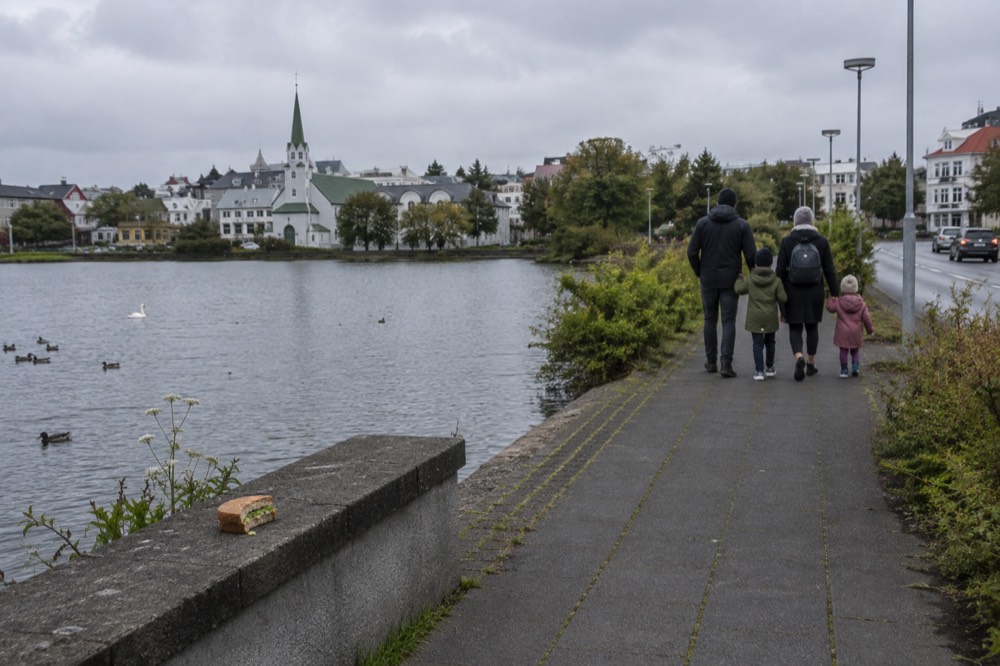
A great deal, and none of it is card-dependent: the Sun Voyager sculpture, Tjornin and Hljómskálagarður park, Rainbow Street, the Harpa foyer and its Hljóðhimnar sound installation, the Old Harbour and Þúfa mound, the Botanic Garden, the Öskjuhlíð woods, Elliðaárdalur valley and 160-plus mapped street-art works all cost nothing, for anyone, at any age, with or without a pass. This stop sits on a free walking route, Spanish-Language Legends Walk.
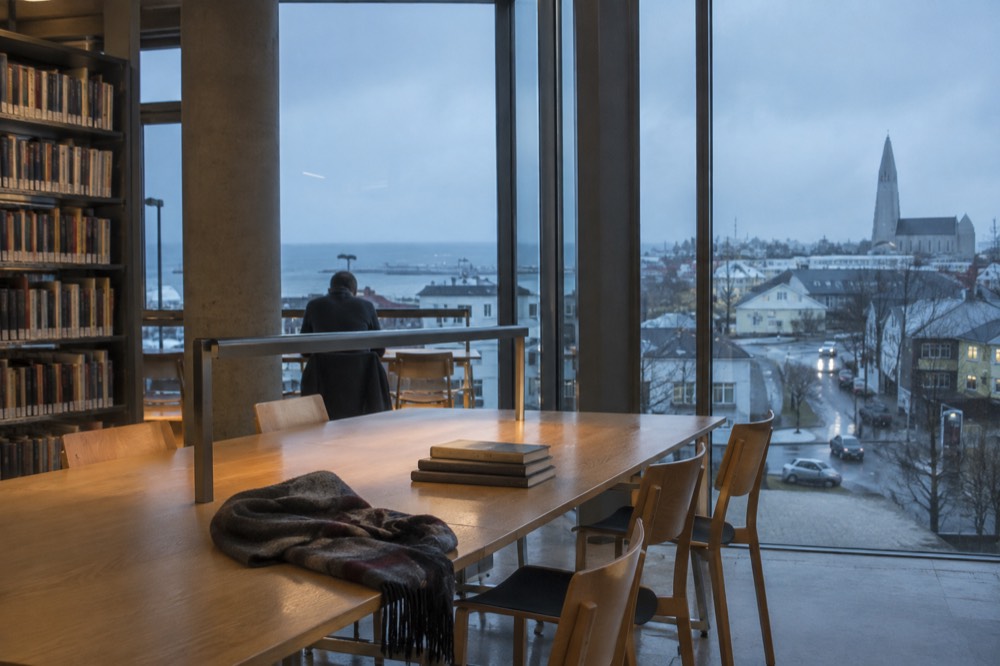
This layer is where a card-free itinerary stops feeling like a compromise and starts feeling like the normal way to see the city. The library system is part of it in a way most visitors miss: entry to the Reykjavik City Library is free for everyone, including its exhibition and reading spaces, and only the borrowing card carries a fee, at 3,300 ISK a year, free for under-18s and 67-plus. A rainy afternoon in the library costs exactly nothing, and it is one of the few indoor free options that works for a family with teenagers as well as adults.
The pattern to notice is that the free layer is also the distinctive layer. Nobody flies to Iceland for a mid-sized national gallery; people fly for the light, the water, the odd sculpture on a windswept quay and the painted walls between them. A visitor who skips the card and spends the money on a hot dog and a coffee instead has not shortchanged themselves, as the longer guide to free museums and free days in Reykjavik lays out in detail.
| Sight | Cost | Card changes it? |
|---|---|---|
| Sun Voyager sculpture | Free | No |
| Tjornin and Hljómskálagarður | Free | No |
| Harpa foyer and Hljóðhimnar | Free during opening hours | No |
| Rainbow Street (Skólavörðustígur) | Free | No |
| Old Harbour, Grandi and Þúfa mound | Free | No |
| Reykjavik Botanic Garden | Free, always open | No |
| City Library entry | Free | No |
Pools, Thermal Beaches And The Card's Fine Print
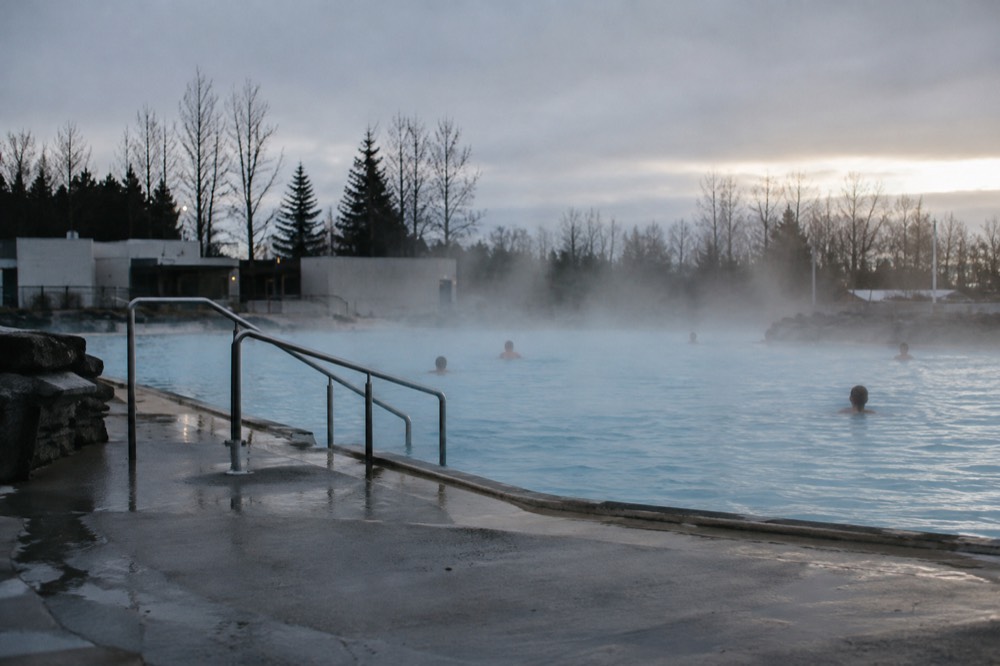
The card covers the public pools, which charge adults 1,500 ISK under the tariff in force since 5 May 2026, but the Nauthólsvík geothermal beach is paid year-round at the same 1,500 ISK adult rate, and no card-free summer window exists despite years of travel blogs claiming one. Children aged 0 to 9 enter pools free with an adult.
The pool tariff matters to the card decision more than most visitors expect, because the pools are the closest thing Iceland has to a daily ritual and returning swimmers rack up entries fast. Two pool visits inside a 24-hour card window are worth 3,000 ISK of value on their own. The official city tariff page is the source for those figures, and it is also the page that settles the Nauthólsvík question: the beach's own site confirms a flat year-round entrance charge, contradicting the widely repeated claim of a free summer season. The beach is cheap, not free, and this site does not blur that line.
The card's fine print also has a transport edge worth knowing. Strætó day passes have been discontinued in favour of fare capping, so the card's unlimited bus travel has no cheap standalone rival for a heavy bus user: the 24-hour pass that once cost 2,750 ISK no longer exists. For a visitor in a distant guesthouse commuting twice daily, that quietly strengthens the card. For everyone else, single 690 ISK fares paid by contactless, valid 75 minutes with transfers, remain the flexible option.
A Three-Day Plan: Card Versus No Card
Run honestly, a museum-dense three days favours the 72-hour card, because four or five adult entries at 2,500 to 3,300 ISK each climb well past the card's 10,500 ISK price, while a walks-and-waterfront three days spends little beyond pool entry and tips without any card, and loses money if it buys one.
Here is the dense version. Day one: National Museum in the morning at 3,300 ISK, Art Museum sites through the afternoon at 2,550 ISK, pool to finish at 1,500 ISK. Day two: Settlement Exhibition at 3,100 ISK, National Gallery at 2,500 ISK, a second pool at 1,500 ISK. Day three: Árbæjarsafn at 2,550 ISK and a bus out to a pool further afield. Count the entries: five paid museums plus three pool visits, every one of them at the full adult rate, and the total climbs far past the 72-hour card's 10,500 ISK long before day three ends. The card's ideal customer looks exactly like this itinerary.
Now the drift version. Day one: a free walking tour, Tjornin, the Botanic Garden, the Sun Voyager at sunset. Day two: Harpa's foyer, Rainbow Street, the Old Harbour and Þúfa, street art between them. Day three: Öskjuhlíð woods, a pool visit at 1,500 ISK, an evening hunting the northern lights from a dark city park in season. Total spend without a card: one pool entry plus tips to the guide. Buy the 72-hour card for this itinerary and you have spent 10,500 ISK to discount nothing.
| Itinerary style | What it actually includes | Verdict |
|---|---|---|
| Four-plus paid museums, pools, buses | Adult entries at 2,500 to 3,300 ISK each, pools at 1,500 ISK | 72-hour card at 10,500 ISK wins clearly |
| Two museums, one pool, mostly walking | Two entries plus one pool | Skip the card |
| Free layer only, one pool | One pool entry at 1,500 ISK plus tips | Card loses badly |
| Family, two adults, two teens, three museums | Two adult entries only, children free | Skip unless pools and zoo feature heavily |
When To Buy The Card, And The Free Days That Beat It
Buy the card only if you are a full-fare adult planning three or more paid sites inside the window and will actually use the buses; skip it if you are travelling with under-18s, moving slowly, or drawn to the outdoor city, because the free layer, from Grótta's lighthouse walks to the street-art trail, needs no pass and outlasts any 72 hours.
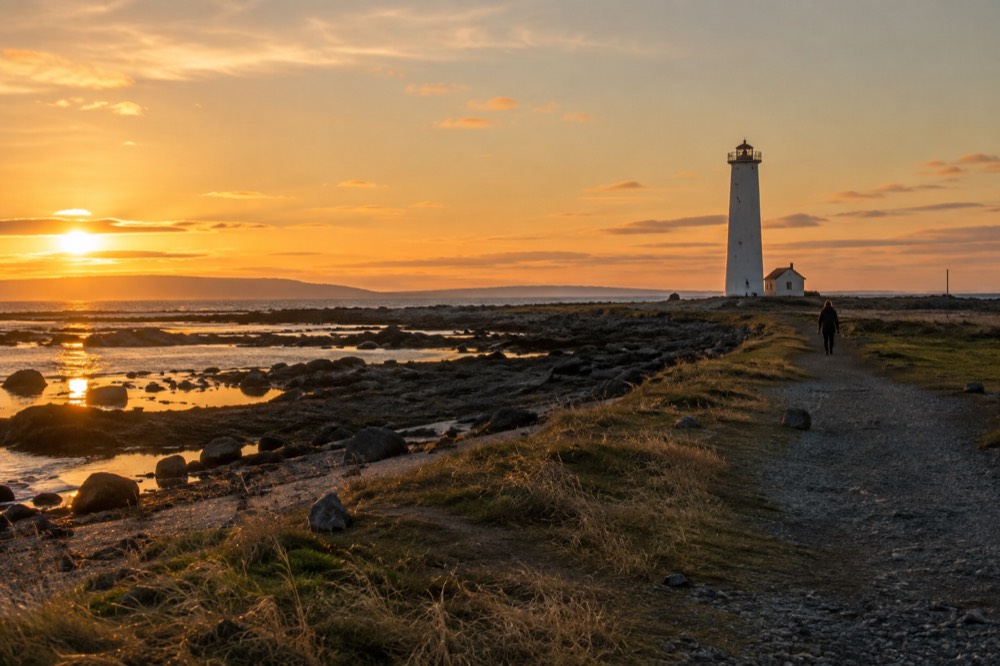
The outdoor layer deserves the last word because it is the part no card improves. Grótta, on the Seltjarnarnes peninsula, is a free nature reserve and lighthouse viewpoint reached by a causeway that floods at high tide, with a foot bath at Kvika nearby and no entrance fee of any kind. Its one real condition is seasonal: all access is banned from 1 May to 15 July for the arctic tern nesting season, per the municipal page on the reserve, and the tides need checking before any walk out.
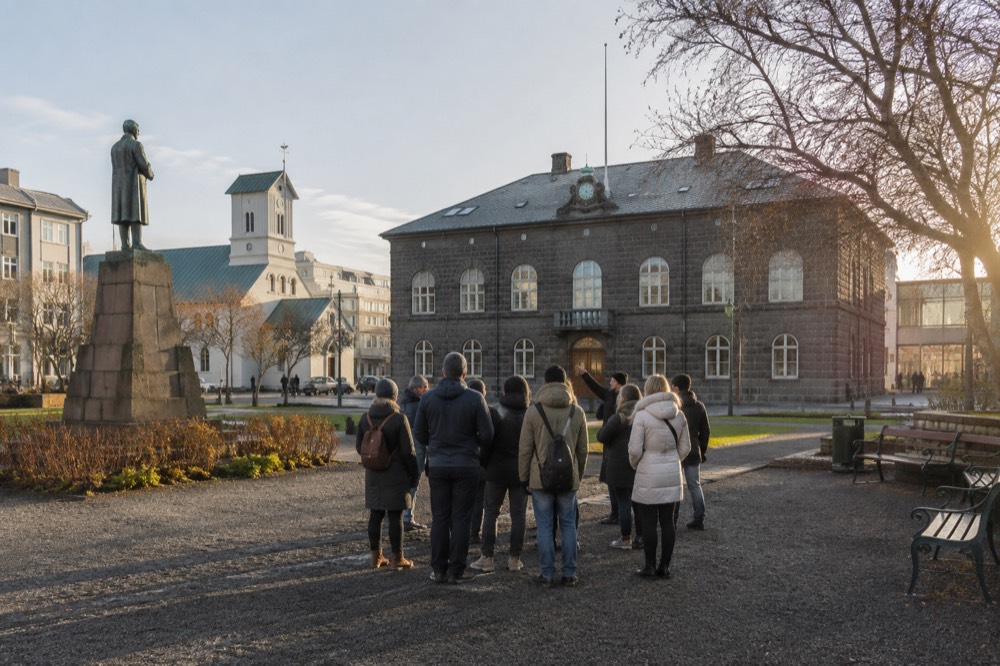
If the card decision has left you with a free afternoon, the walks are where to spend it. CityWalk's free tour is the long-running, dominant free walk in this city: rated 9.6 out of 10 across 6,683 freetour.com reviews, English only, two hours, meeting in front of the Parliament building on Austurvöllur, running daily at 10:30 and 13:30. It is listed on freetour.com, it is not this site's tour, and it costs nothing upfront.
The smaller GuruWalk option suits a different morning. Sweet Streets of Reykjavik, rated 4.6 out of 5 across 87 GuruWalk reviews, runs Monday, Thursday, Friday, Saturday and Sunday at 11:00 in English, meeting at the Harpa concert hall, and it is cash only: on a pay-what-you-want walk the tip is the whole payment, so bring notes. It takes bookings up to 10 people and needs a minimum of 5 to run, a real caveat for an off-season visitor.
Spanish-speaking visitors have a third option, and it is genuinely new: the Rainbow Tours legends walk on GuruWalk, created on 27 August 2026 and labelled a new tour by the platform, with no reviews yet. It runs Monday to Friday at 17:00 and Saturday and Sunday at 11:00, in Spanish, meeting at the Ingólfur Arnarson statue on Arnarhóll, and it accepts cards. It needs a minimum of 5 people to run and takes bookings up to 25.
That is the shape of the honest decision. The card is a real product with a real use case, and this Free Things To Do In Reykjavik guide is under no obligation to talk you out of it when your itinerary genuinely fits. But the city's identity, the parts people remember, sits in the free layer, and no pass ever made a sunset over the Old Harbour cheaper. For the budget-level view of the whole trip, the companion piece on whether Reykjavik is cheap to visit puts the card in the context of everything else you will spend.
Common Questions About The Reykjavik City Card
Is the Reykjavik City Card worth it?
It is worth it for full-fare adults visiting three or more paid museums plus pools inside one to three days, when separate entries of 2,500 to 3,300 ISK each add up past the card price of 6,100 to 10,500 ISK. It is not worth it for slow itineraries, families with under-18s, or visitors built around the city's free sights.
How much does the Reykjavik City Card cost?
The official card page lists 6,100 ISK for 24 hours, 8,500 ISK for 48 hours and 10,500 ISK for 72 hours. Some museum pages still show older, lower figures, so treat the card operator's own page as the live price.
Do children need the Reykjavik City Card?
Usually not. Visitors aged 0 to 17 enter the Art Museum, National Museum, National Gallery, Settlement Exhibition and Árbæjarsafn free without any card, so a family card mostly buys adult discounts the children never needed.
Does the Reykjavik City Card cover the free walking tours?
No. The free walking tours are pay-what-you-want and have no ticket to skip, so the card neither covers them nor discounts them. CityWalk's twice-daily English walk runs on tips alone, meeting at Austurvöllur at 10:30 and 13:30.
Does the Reykjavik City Card include the swimming pools?
Yes, the public pools are included, and adult entry is 1,500 ISK under the tariff in force since 5 May 2026, so frequent swimmers get real value. The Nauthólsvík geothermal beach charges the same 1,500 ISK adult rate year-round and is not free in summer, whatever older guides claim.
Can you see Reykjavik for free without the card?
Yes, extensively. The Sun Voyager, Tjornin, Rainbow Street, the Harpa foyer, the Old Harbour, the Botanic Garden, the Öskjuhlíð woods, the street-art trail and Grótta outside the nesting closure all cost nothing, and no card changes that.