Is There Free Parking In Reykjavík?
Yes, free parking exists in Reykjavik, but only in outer zones, on weekends, overnight, and on public holidays. This guide explains the 2026 zone tariffs, where the free spots are, and whether you need a car at all.
Is There Free Parking In Reykjavík?
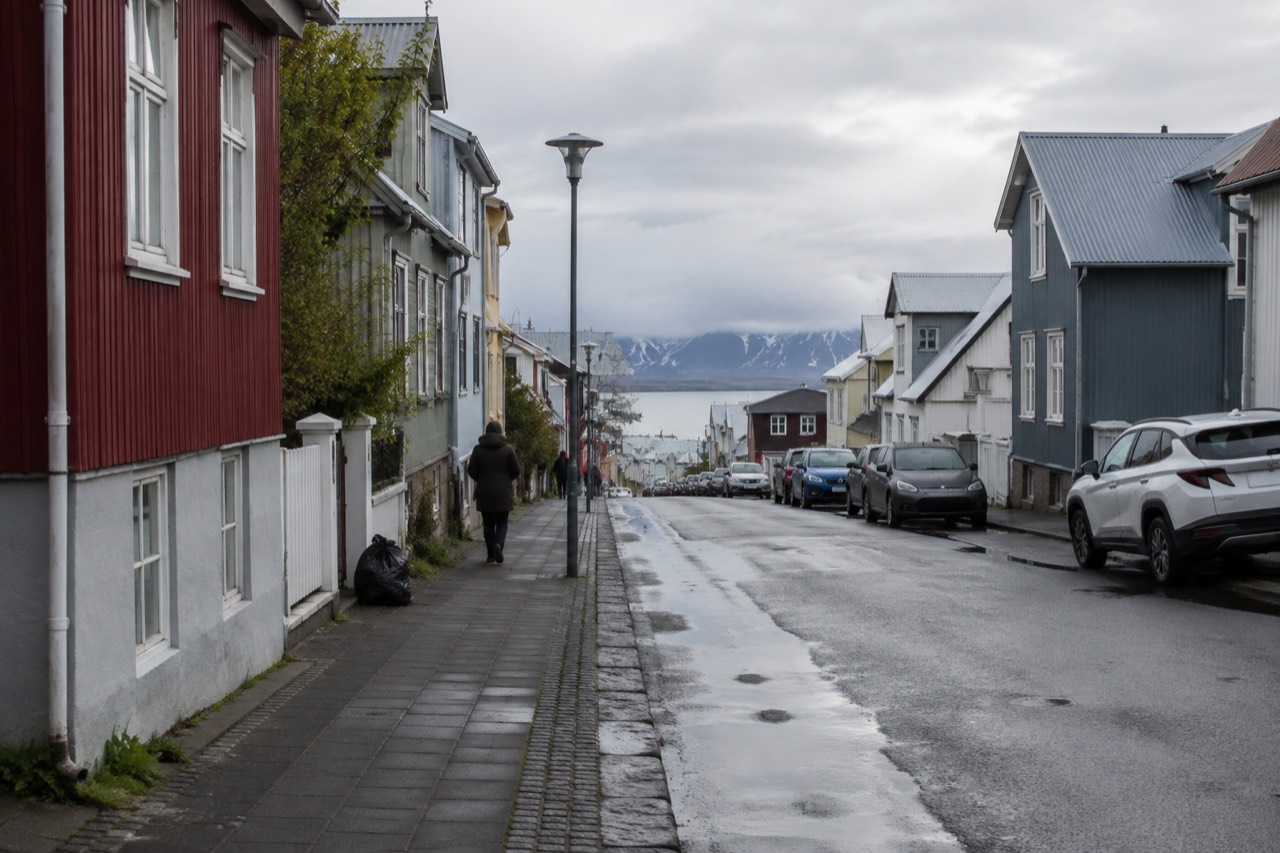
Yes, free parking does exist in Reykjavík, but you will struggle to find it anywhere near the city center. Most streets in the downtown core require payment during daytime hours, so drivers hoping to park for nothing should look to residential areas on the outskirts, where unmarked spaces are generally free, and plan on walking or taking a short bus ride into the center. The official zone system charges P1, the core, 660 ISK per hour from 9 a.m. to 9 p.m. on weekdays and 10 a.m. to 9 p.m. on weekends, with a three-hour maximum stay. The outer P3 and P4 zones are free on weekends, and every zone in the city is free overnight and on listed public holidays, so a visitor who parks outside the core and walks in, or simply arrives without a car, pays nothing at all for parking.
That last clause is the practical answer for most trips. Reykjavik is small, flat, and built around a walkable core: the distance from Hallgrímskirkja at the top of the hill down to the Old Harbour is roughly a 20-minute stroll, and nearly everything a first-time visitor wants to see sits inside it. The city has also kept expanding its pedestrian streets, with Austurstræti going car-free in September 2025, which pushed even short-term parking further from the center. The official parking rules are published by the city at the reykjavik.is obligation-to-pay page, and the zone tariffs below come straight from that schedule.
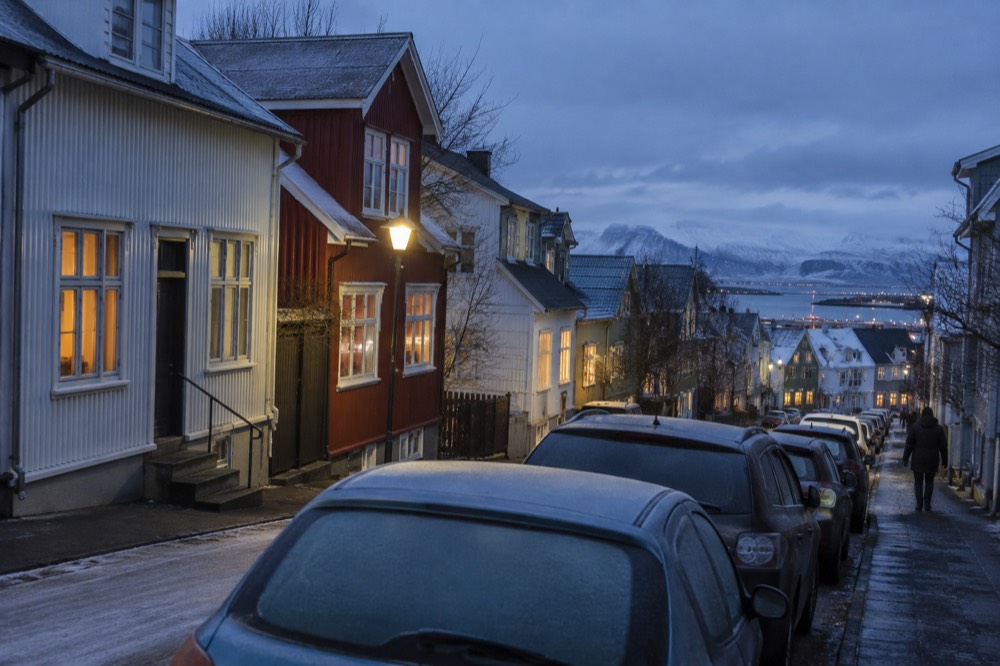
If you are staying a short walk outside the core, the free windows matter more than the zones themselves. Parking is free everywhere in the city outside paid hours, on listed public holidays including New Year's, the Easter holidays, May 1, June 17, and Christmas, and in P3 and P4 on weekends regardless of the holiday calendar. A ticket bought in a higher zone stays valid in lower zones, so a P1 ticket can be finished off in P2 or P3.
One honest note before the tariffs: if your plan is to park and then explore the center, the cheapest version of that plan is not to drive at all. The free walking tours cover the whole core on foot, and the two English-language options are the Free Tour in Reykjavik by CityWalk, rated 9.6 out of 10 across 6,683 freetour.com reviews, and the smaller Sweet Streets walk on GuruWalk, rated 4.6 out of 5 across 87 GuruWalk reviews.
How Much Does Metered Parking Cost In Central Reykjavik?
Metered parking in central Reykjavik costs between 240 and 660 ISK per hour, with the exact rate depending on which zone you park in. Enforcement hours vary by zone as well, running from either 8 or 9 a.m. until 6 or 9 p.m., so check the signs carefully before leaving your car. P1, the city center core, costs 660 ISK per hour with a three-hour maximum, so it is designed for short stays rather than all-day parking. P2 and P4 cost 240 ISK per hour, and P3 charges 240 ISK for the first two hours then 70 ISK after that, with the shortest charging window of all four zones. Garages undercut the street meters for a first hour but add up over a full day.
The full 2026 schedule from the city's own tariff looks like this:
| Zone | Hourly rate | Charged hours | Notes |
|---|---|---|---|
| P1 (city center core) | 660 ISK | Weekdays 9:00–21:00, weekends 10:00–21:00 | 3-hour maximum stay |
| P2 | 240 ISK | Weekdays 9:00–21:00, weekends 10:00–21:00 | Rings the core |
| P3 | 240 ISK first 2 hours, then 70 ISK | Weekdays 9:00–18:00 | Free weekends and evenings |
| P4 | 240 ISK | Weekdays 8:00–16:00 | Free weekends |
Payment is by meter or app, with Parka and EasyPark both in common use. A ticket from a higher zone remains valid in a lower one, so if you buy time in P1 and drive out to P3, the remaining minutes still count. Garages are the alternative for anyone who wants to leave a car all day in the center: first-hour rates in city garages run roughly 190 to 280 ISK, which undercuts the street meters for short stays but adds up over a full day.
The pattern to internalize is that the paid hours shrink as you move outward. P1 charges twelve hours a day, P3 charges nine, and P4 charges only eight, ending at 4 p.m. on weekdays. That means a car parked in P4 on a Friday afternoon stays free from 4 p.m. until Monday at 8 a.m., an entire weekend of free parking that costs one hour's fee.
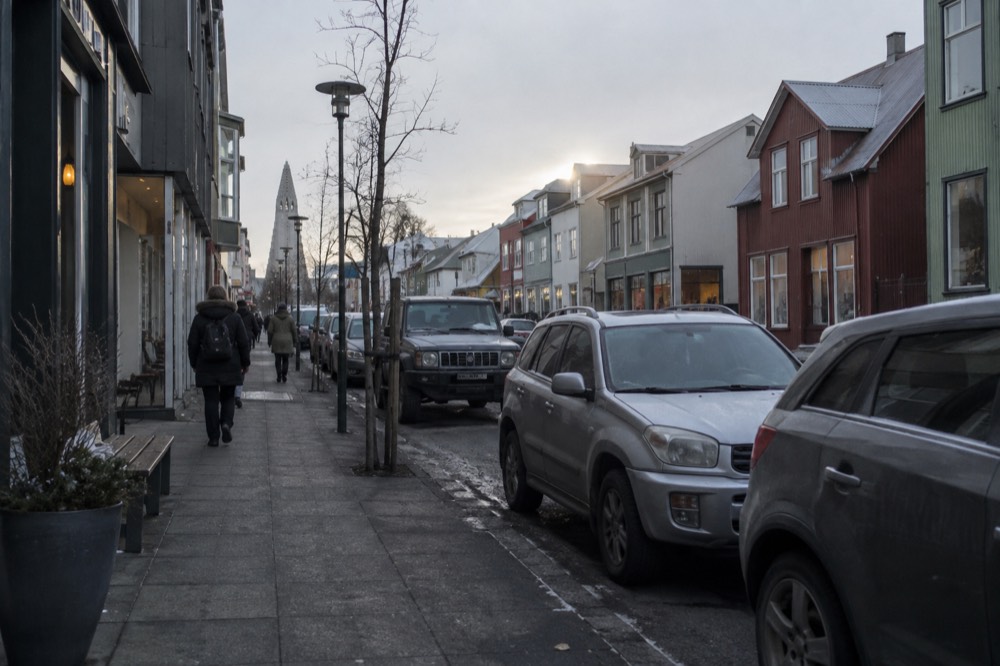
The deeper question is whether that fee buys you anything. The center's attractions cluster tightly: the walk from the Sun Voyager sculpture on the waterfront to Hallgrímskirkja at the top of Skólavörðustígur takes about 25 minutes and passes Harpa, the Old Harbour, Austurvöllur, and Rainbow Street on the way. A parking spot in P1 is a convenience for loading luggage, not a strategy for sightseeing, because most of what you would drive to see is easier to reach on the twice-daily CityWalk route anyway. This stop sits on a free walking route, Morning Walk From Harpa, Cash Tips.
If you would rather not think about meters at all, the pay-what-you-want walks are the simplest substitute: both run about two hours, both cover the core's landmarks, and cancellation is free on the GuruWalk side if your plans shift. The CityWalk tour meets daily at 10:30 and 13:30 in front of the Parliament building in Austurvöllur, which is itself one of the metered P1 blocks.
The same logic applies to the smaller GuruWalk option. Sweet Streets starts at 11:00 from the Harpa building on Monday, Thursday, Friday, Saturday and Sunday, takes cash tips only, and caps bookings at 10 people, so it needs a reservation more than the big walk does. Both are genuinely free in the sense that matters here: no upfront price, no booking fee, no parking space required.
Where Exactly Can You Park For Free In Reykjavik?
Free parking in Reykjavik is available in the P3 and P4 zones on weekends, and in every zone overnight once the charging hours end for the day. On listed public holidays, parking is free citywide. In short, if you time your visit around weekend hours, evenings, or an official holiday, you can leave your car without paying anything in the city. There is no dedicated free car park in the center, and any blog claiming one should be checked against the official tariff, because the city's own schedule does not list a free lot inside the paid area. The reliable free windows are the ones the tariff itself creates, and they are generous once you know where the zone boundaries sit.
The holiday list is generous. Parking is free on New Year's Day, through the Easter holidays, on May 1, on June 17 (Iceland's National Day, when the city fills with free parades and concerts anyway), and over Christmas. Combine a holiday with a P3 or P4 street and you can leave a car for a day at zero cost. Overnight is even simpler: once the charged window closes, every street in every zone is free until the next morning, which matters for hotel and guesthouse guests arriving in the evening. The full index of guides sits on Free Things To Do In Reykjavik.
For a full-day base, the practical move is to sleep outside the core. Guesthouses in the eastern and southern residential districts sit on P3 or P4 streets, where a weekday visitor pays for a handful of hours and a weekend visitor pays nothing. If you are weighing neighborhoods against attractions, the Reykjavik attractions map shows how compact the sightseeing cluster really is.
A few specific destinations deserve a parking note of their own. Laugardalslaug, the city's biggest swimming pool complex, sits in a residential valley district where street parking is far cheaper and freer than anything downtown, though the pool itself is not free: entry is 1,500 ISK for adults under the tariff in force since May 2026, with children 10 to 17 at 400 ISK and under-10s free with an adult. It is cheap, not free, but the parking around it often is.
Hallgrímskirkja is the opposite case, a destination inside the P1 core where parking is the expensive part of the visit. The church's nave carries no stated admission charge, but the tower lift is a paid ticket, 1,500 ISK for adults since June 2026, and the surrounding streets are among the most metered in the city. Coming on foot up Rainbow Street costs nothing and skips the hunt for a three-hour-maximum space.
Harpa, the concert hall on the waterfront, is the easiest of the three to reach without a car: it stands at the harbor end of the center, admission to the building and its ground-floor Hljóðhimnar sound installation is free during opening hours, and the harbor-side approach is a flat walk from anywhere downtown. Drivers will find harbor-adjacent streets metered at P1 rates, which is one more argument for leaving the car where the free windows are. One of the free walking routes passes through here: Spanish-Language Legends Walk.
Do You Actually Need A Car In Reykjavik?
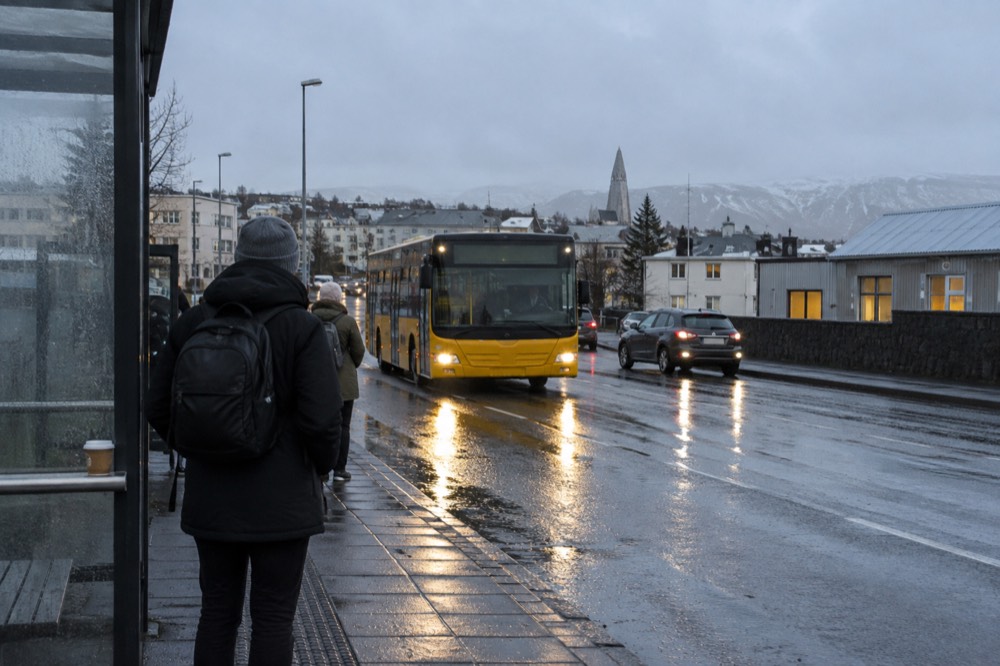
Most visitors to Reykjavik do not need a car. The city center is compact enough to walk end to end in under 30 minutes, and the bus network covers the rest of the city for 690 ISK a single ride. A rental car only makes sense if you plan to leave town for day trips into the countryside, where public transport options are limited. Strætó capital-area buses take contactless payment or the app, a single adult fare is 690 ISK valid 75 minutes with transfers included, children 11 and under ride free, and fare capping limits an adult to three paid rides per day on the same card. The bus is the answer to almost every in-city trip a parking space would have served, and it never needs a meter.
The full fare picture from the Strætó price list, effective January 2026:
| Ticket | Price | Notes |
|---|---|---|
| Single adult | 690 ISK | 75 minutes, transfers included |
| Youth 12–17 and seniors 67+ | 345 ISK | Half fare |
| Children 11 and under | Free | With a fare-paying adult |
| 24-hour pass | 2,750 ISK | Day passes being discontinued |
| 72-hour pass | 6,000 ISK |
Fares rose about 3 percent at the start of January 2026, from a prior 670 ISK single, and the operator publishes the current price list at straeto.is. Set that against parking: a day of driving in and out of P1 at 660 ISK per hour with a three-hour cap costs more than a 24-hour bus pass before you have found a second space.
The airport run is the one trip where a car question genuinely arises, and even there the bus wins for most people. Flybus from Keflavík Airport to the BSÍ terminal in Reykjavik costs 3,999 ISK one-way for an adult, 5,299 ISK with hotel-stop delivery, and children 1 to 5 ride free, per the Flybus price page. Strætó route 55 is cheaper still, around 2,400 ISK to the city in recent reports. A rental car sits idle at a meter for the days in between, and the 2026 per-kilometre road tax for drivers makes idle kilometers worse value.
If you do skip the car, the center fills the free days easily. The Sun Voyager sculpture, Tjörnin pond, the Einar Jónsson sculpture garden behind Hallgrímskirkja, and the Old Harbour waterfront all cost nothing, and the free things to do in Reykjavik guide lists twenty of them. For a structure to the day, the morning Sweet Streets walk on GuruWalk starts at 11:00 from Harpa, runs Monday, Thursday, Friday, Saturday and Sunday in English, and takes cash tips only, so bring notes if you plan to join it.
What About Parking Outside The City, At Day-Trip Sites?
Parking outside Reykjavik varies by site. At Þingvellir National Park, you pay 1,000 ISK per car for the day. At Reykjadalur, the trailhead parking is charged, but there is no published official tariff, so have payment ready and expect to check signage on arrival. At Mount Esja, the parking status is unconfirmed, so plan for the possibility of a fee and verify locally before you go. The city's free windows do not follow you out of town, so a day trip needs its own parking budget rather than an assumption that Iceland keeps things free once you leave the capital. Entry to the sites themselves is often free, but the tarmac rarely is.
The Þingvellir tariff is the clearest one: 1,000 ISK for a car of up to five seats, valid all day across the park's P1, P2 and P5 lots, with motorcycles at 400 ISK, six- to nine-seat vehicles at 1,200 ISK, and buses from 2,200 to 4,200 ISK. Entry to the park itself is free, which makes the parking fee the whole cost of the visit. At Reykjadalur, the hot-river valley near Hveragerði, the hike and the bathing are free but the Árhólmar trailhead car park introduced charging years ago, and because Hveragerði publishes no current official tariff, no reliable figure can be printed here; treat it as a small paid cost and check locally.
Mount Esja, the mountain across the fjord from the city, is the honest gap: its trails are free and well marked, but no official page confirms or denies a parking charge at the trailhead, so budget for the possibility rather than assuming either way. The pattern across all three is that "free" at Icelandic nature sites means the trail, not the tarmac.
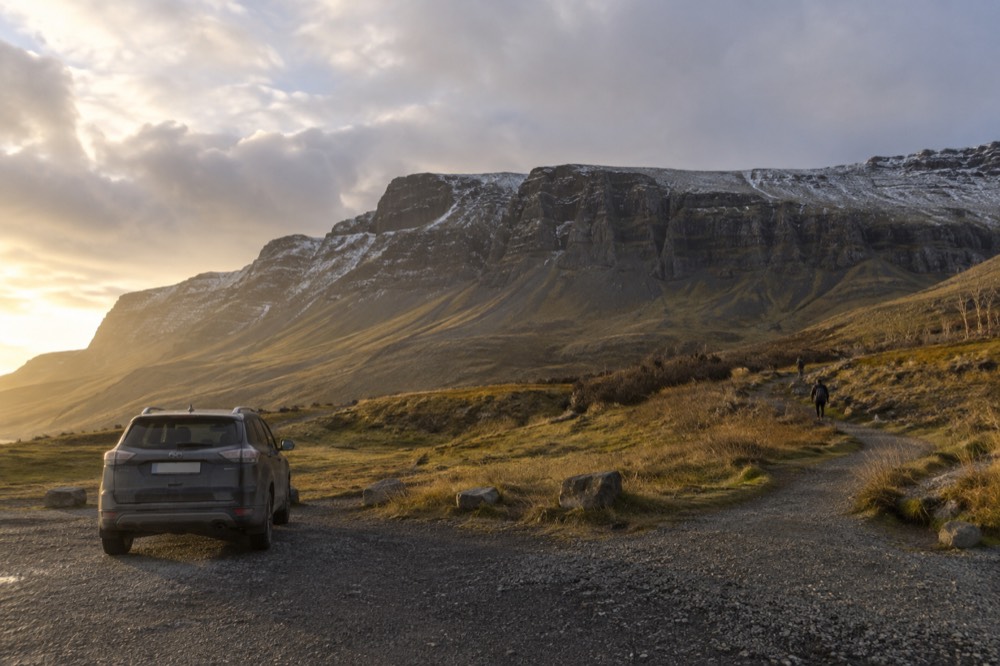
For visitors connecting the dots between city and countryside, the cost question is wider than parking, and the sibling piece is Reykjavik cheap to visit breaks down the full budget. The short version for drivers: fuel, the 2026 per-kilometre road tax, and paid parking at the popular sites add up faster than the bus ever will, and the free-parking strategy that works in Reykjavik's outer zones has no equivalent at the Golden Circle car parks.
And when the car is finally parked where it costs nothing, the free attractions cluster close enough to walk between: the Old Harbour waterfront paths, the midnight-sun daylight that stretches past 21 hours around the June solstice, and the free June 17 National Day celebrations in Austurvöllur and Hljómskálagarður all sit within the walkable core. That is the real case for treating parking as a one-time decision rather than a daily one.
Common Questions About Parking In Reykjavik
Is There Free Parking In Reykjavík?
Yes, but not in the city center core. Parking is free in P3 and P4 zones on weekends, in every zone overnight once charging hours end, and citywide on listed public holidays such as June 17 and Christmas. The P1 center is metered 660 ISK per hour with a three-hour maximum whenever charging hours apply.
Can you park overnight in Reykjavik for free?
Yes. Charging ends between 4 and 9 p.m. depending on the zone, and every street in every zone is free from that point until the next morning's charged window begins. Overnight guests arriving in the evening can usually leave the car until the following morning at no cost.
How do you pay for parking in Reykjavik?
At street meters or through apps such as Parka and EasyPark. A ticket bought in a higher zone stays valid in lower zones, so remaining time on a P1 ticket can be used in P2 or P3. Garages are an alternative, with first-hour rates around 190 to 280 ISK.
Is parking free on weekends in Reykjavik?
In P3 and P4 zones, yes, all weekend. In P1 and P2, no: weekend charging runs 10 a.m. to 9 p.m., only starting an hour later than on weekdays. The holiday calendar is the better free window, since listed public holidays make every zone free.
Do you need a car to see Reykjavik?
No. The center is walkable end to end in about 30 minutes, and Strætó buses cover the rest of the city at 690 ISK per adult single, with children 11 and under free. Most visitors who rent a car for Reykjavik itself end up paying to park it.
How much is parking at Þingvellir National Park?
1,000 ISK per day for a car of up to five seats, valid across the park's P1, P2 and P5 lots. Entry to the park itself is free, so the parking fee is the only mandatory cost of a visit.