What's Free In Iceland?
A country-by-cost breakdown of what genuinely costs nothing in Iceland, from free walking tours and nature reserves to the traps that only look free.
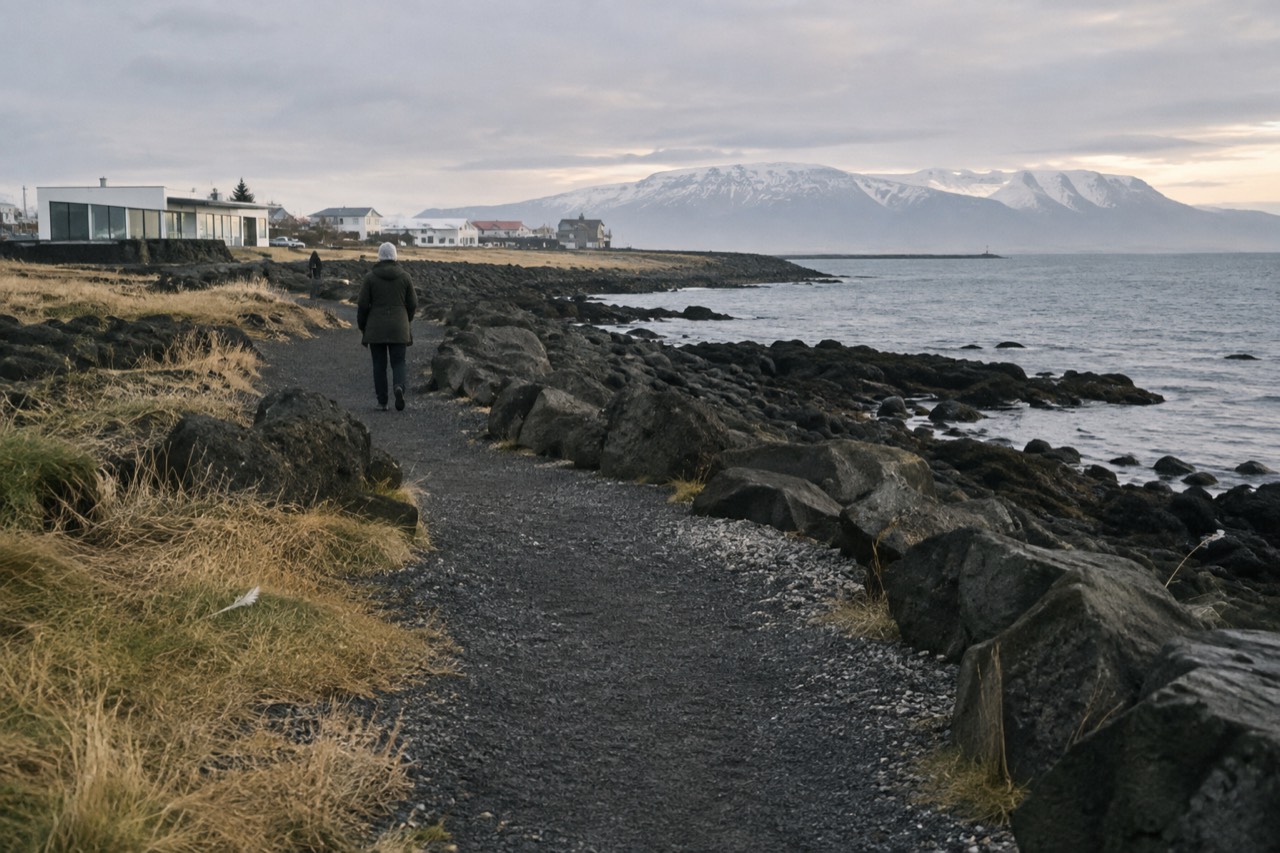
What's Free In Iceland?
More of Iceland is free than its prices suggest. The walking tours in Reykjavik cost nothing up front and run on tips, the hiking trails, nature reserves and hot river around the capital charge no admission, public sculptures and city parks are open to everyone, and several national festivals are free to attend. The catches are specific: geothermal pools, the beach at Nauthólsvík and most museums charge, and some "free" sights hide a parking or ferry fee.
Iceland is the rare country where the best-known experiences split cleanly into two columns. On one side: glaciers, lagoons and museum galleries that carry real ticket prices. On the other: an entire layer of walks, viewpoints, festivals and geothermal bathing spots that cost nothing, or nearly nothing, if you know where the boundary sits. This page walks that boundary place by place, starting in the capital and moving outward.
The honest answer starts with the tours, because the free walking tour scene in Reykjavik is small and real rather than a marketing gimmick. There are exactly three pay-what-you-want walks in the city, run by independent local guides, and an English speaker has two genuine options among them. Free Things To Do In Reykjavik covers the city's free sights in detail; this page widens the lens to the whole country, where the free list is longer than most visitors expect.
Which Free Walking Tours Can You Actually Join?
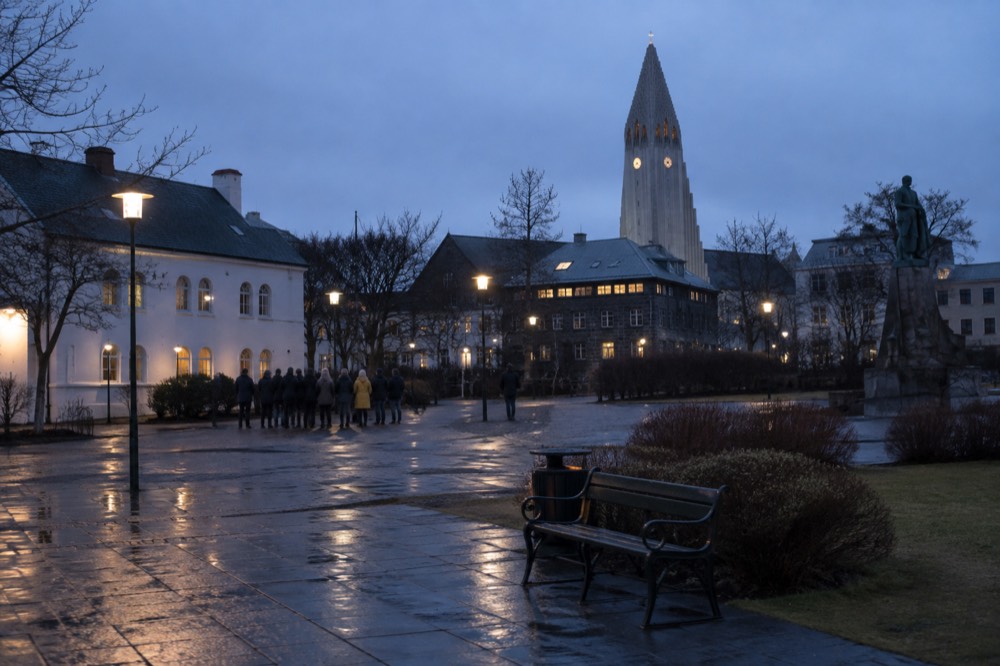
There are three pay-what-you-want walks in Reykjavik and only two of them run in English. CityWalk's free tour is the long-running dominant one, rated 9.6 out of 10 across 6,683 freetour.com reviews, departing daily at 10:30 and 13:30 from Austurvöllur square. Sweet Streets is the smaller GuruWalk alternative, rated 4.6 out of 5 across 87 GuruWalk reviews, meeting at Harpa. A third walk runs in Spanish only. One of the free walking routes passes through here: Spanish-Language Legends Walk.
CityWalk's tour covers about 2 km over two hours, from the Parliament building past Laugavegur, Tjörnin and Rainbow Street to City Hall, with Harpa and Hallgrímskirkja seen from a distance rather than visited. It has run since 2014, it goes out every day of the year in two slots, and it is genuinely free: no fixed price, you pay what you feel at the end in cash or by card. Bookings open only about five days in advance, so if you are planning far ahead you simply check back closer to the date. It is listed on freetour.com, which is where the review figure comes from.
The English-speaking alternative is Sweet Streets of Reykjavik, listed on GuruWalk. It also runs about two hours and meets inside Harpa by the Rammagerdin store. Its schedule is narrower than CityWalk's: Monday, Thursday, Friday, Saturday and Sunday at 11:00 in English, with Spanish departures arranged ad hoc rather than on a fixed weekday. It takes bookings up to 10 people and needs a minimum of 5 to run, which matters in the off-season. One practical point that deserves emphasis: this walk is cash only, so bring notes, because on a pay-what-you-want walk the tip is the entire payment.
The third walk, a Spanish-language legends tour by Rainbow Tours, departs from Arnarhóll, Monday to Friday at 17:00 and on weekends at 11:00. Its GuruWalk listing is new and carries no reviews yet, and its review count on freetour.com is contradictory, so no review figure is published for it here. For Spanish speakers it is a real option; for everyone else the field is those two walks above, and neither takes a booking fee.
Outside the capital the free-tour scene essentially ends. There is no comparable roster of pay-what-you-want walks in Akureyri or around the Ring Road, so beyond Reykjavik the free list shifts to nature, and that is where Iceland delivers.
What Natural Sites Around Reykjavik Cost Nothing?
The big natural areas near the capital are genuinely free to enter. Heiðmörk nature reserve, the Mount Esja trail network, the Elliðaárdalur valley and the Öskjuhlíð woods all charge no admission and no trail fee. The condition to watch is parking and access: Grótta island closes entirely from May 1 to July 15 for nesting terns, and some trailhead car parks carry charges that the free-entry claim does not cover.
Heiðmörk is the quiet giant of the list: a 3,200-hectare nature reserve on the edge of the city, criss-crossed with free trails through lava fields and forest, and famous for its wild berry patches in late summer, roughly mid-August to mid-September. The reserve's own page puts it plainly, everyone is welcome, and there is no gate, no ticket and no season pass. It is the closest thing Reykjavik has to a national park you can walk into from a city bus.
Elliðaárdalur is the easy one, a green river valley with paved paths that runs practically into the residential streets, and it is one of the spots the city itself lists among its free things to do. Öskjuhlíð is the wooded hill beside Perlan, and hiking up it gives a free view over the city that costs nothing, unlike the Perlan observation deck, which is only sold as part of a paid ticket and cannot be bought separately.
Is Hiking Mount Esja Really Free?
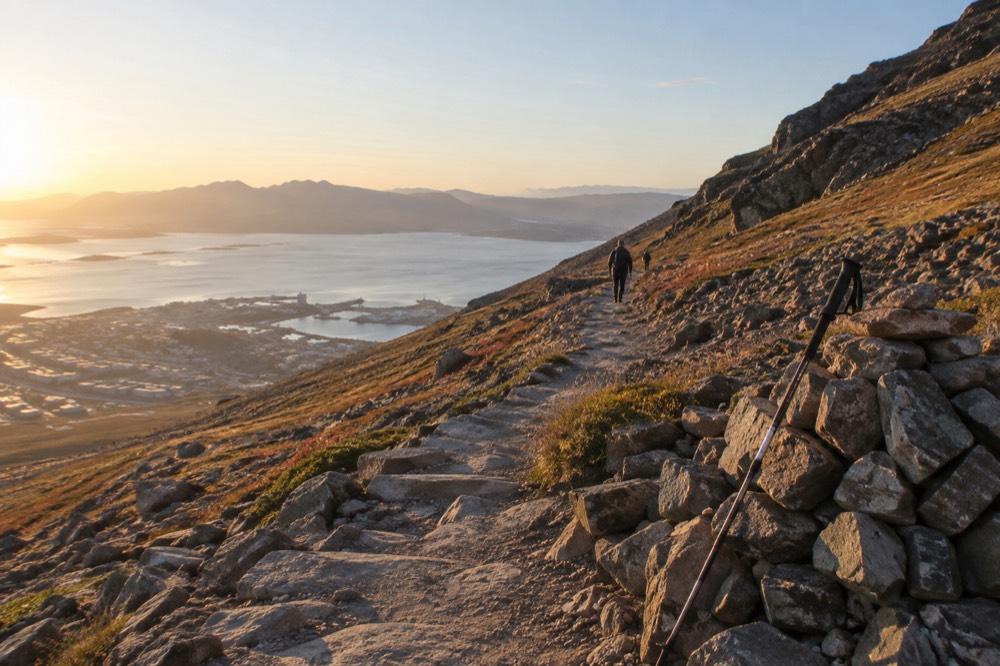
Yes, the trails up Mount Esja cost nothing. Esja is the mountain that fills the skyline north of Reykjavik, and its trail network, from the easy lower paths to the steep climb toward the summit, charges no admission and no trail fee at any point. The one unresolved question is parking at the trailhead, where no official page confirms or denies a charge, so arrive by bus or check locally before driving.
The mountain is the city's default free workout and viewpoint in one. Visit Reykjavik's own guide lists Esja with a plain "Cost: Free", and the trails are used year-round by locals who treat the hike as a routine rather than an excursion. The lower paths are manageable for casual walkers; the upper sections are steep and weather-exposed, and conditions on the summit can differ sharply from the city below, so dress for the mountain, not the street. As a day trip it pairs well with the free walking tour: a morning walk in the city, an afternoon on the mountain, and no admission paid at either.
Can You Bathe For Free In Iceland?
Almost, in one famous place: the Reykjadalur hot river near Hveragerði. The hike in and the bathing itself cost nothing, which makes it the closest thing to a free hot spring within reach of the capital. The condition is the car park at Árhólmar, which now charges for parking, though no official current tariff is published, so no figure can honestly be printed here.
Reykjadalur is the answer to the question most budget visitors actually ask. You walk roughly an hour up a valley, and the river running through it is warm enough to bathe in, free, in the open, with changing huts along the bank. The bathing and the trail are free; the parking is not, and Hveragerði council began charging at the Árhólmar lot without publishing a current official tariff, so treat parking money as part of the plan without assuming an amount. Bring a towel and swimwear and go early in the day, because the river's fame has grown.
Everywhere else, bathing costs money, and it is worth being blunt about it. Reykjavik's public pools, including Laugardalslaug, charge adults 1,500 ISK under the tariff in force since May 2026, with children 9 and under free and ages 10 to 17 at 400 ISK. The Nauthólsvík geothermal beach, often wrongly described as free in summer, is paid year-round at the same 1,500 ISK adult rate. Both are cheap by Icelandic standards and excellent value, but neither belongs on a free list, and this site's guide to the Nauthólsvík geothermal beach covers the trap in full.
What's Free Inside Reykjavik Itself?
The city's core sights are overwhelmingly free: the Sun Voyager sculpture, the Harpa foyer and its sound installation, Rainbow Street, Tjörnin pond, the Old Harbour waterfront, the botanic garden and more than 160 mapped street-art works all cost nothing. Hallgrímskirkja's nave is free to enter, though the tower lift charges 1,500 ISK, and the Reykjavík Art Museum has no free day at all. This stop sits on a free walking route, Morning Walk From Harpa, Cash Tips.
The list is long enough to fill two days. Harpa's foyer is free to wander whenever the building is open, Sunday to Tuesday 10:00 to 18:00 and Wednesday to Saturday 10:00 to 20:00, and the Hljóðhimnar sound installation on the ground floor is free with it. The Sun Voyager sits on the waterfront at Sæbraut, an unfenced steel sculpture you can visit at any hour. Rainbow Street, the painted slope of Skólavörðustígur, is simply a public street. Tjörnin and its surrounding park are open green space with swans, ducks and a path that leads to City Hall, which is also free to enter and has public toilets.
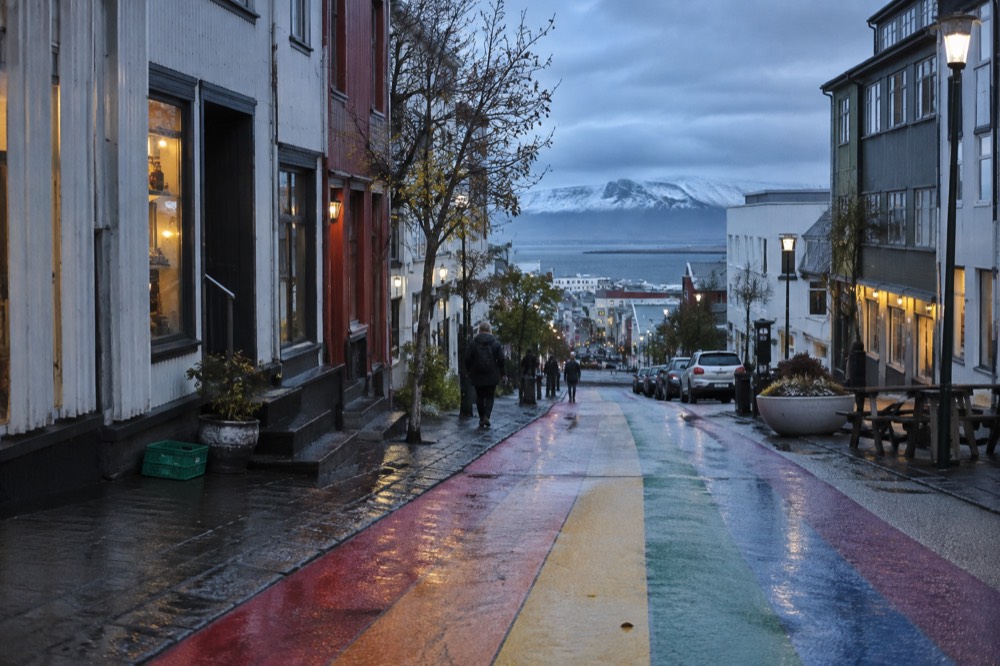
The city has mapped more than 160 street-art works, and the city's own line on them is that you do not have to pay to enjoy them, which makes a self-guided mural walk one of the best free afternoons in the centre. The botanic garden in Laugardalur is always open, with its greenhouse keeping summer hours. The Einar Jónsson sculpture garden behind Hallgrímskirkja is free year-round, even though the museum beside it charges.
| Sight | Free part | The catch |
|---|---|---|
| Hallgrímskirkja | Exterior, and the nave | Tower lift is 1,500 ISK for adults |
| Harpa | Foyer and Hljóðhimnar installation | Concerts and events are ticketed |
| Perlan | Öskjuhlíð hill and trails | Observation deck only with a paid ticket |
| Nauthólsvík beach | Nothing, year-round | Adult entry 1,500 ISK |
| Public pools | Children 9 and under | Adults 1,500 ISK |
| Reykjavík Art Museum | Under-18s and disabled visitors | Adults 2,550 ISK, no free day |
| Reykjavík City Card | Nothing | The card itself is paid, 6,100 ISK for 24 hours |
One correction worth making plainly: the Reykjavík City Card is a paid product, 6,100 ISK for 24 hours, and anything described as "free with the City Card" is not free. The card can still make sense for a packed museum day, and the site's Reykjavik City Card guide works through the maths, but it never belongs on a list of free things.
Which Festivals And Events Are Free To Attend?
Iceland's biggest public festivals are free: Culture Night in Reykjavik, Museum Night during the Winter Lights Festival, the June 17 National Day celebrations and the New Year's Eve bonfires all cost nothing to attend. The northern lights themselves are free to watch from public viewpoints, in a season that runs from September to April, and the near-24-hour midsummer daylight is free by definition.
Culture Night, Menningarnótt, is the single best free day in the country's calendar. The city's own description states that all the events are free of charge, museums and galleries open their doors, streets fill with performances, and the night ends with fireworks near Arnarhóll. The next edition falls on Saturday, August 21, 2027, and the city even lays on free Strætó buses for an hour after the fireworks. Museum Night, Safnanótt, sits inside the Winter Lights Festival in early February, with participating museums opening free and late, and Pool Night opens participating pools free from 17:00 to 21:00.
June 17, Iceland's National Day, brings a free parade from Hallgrímskirkja at 13:00, the official ceremony at Austurvöllur at 11:00, and concerts and family activities in the city parks through the afternoon. On New Year's Eve the city lights ten community bonfires, the áramótabrennur, typically around 20:30 and free to attend, though personal fireworks are banned at the sites themselves.
The aurora is the quiet headline of the free list. From September to April, on clear dark nights, you can watch the northern lights from public spots around the capital, and the city's tourism office names its own favourites, including Grótta, Öskjuhlíð, Elliðaárdalur and the Klambratún park. The site's guide to the northern lights in Reykjavik maps the viewing spots and the season in detail. In midsummer the tables turn and the free show is the light itself, with more than 21 hours of daylight on the summer solstice.
What Looks Free But Isn't?
The reliable traps are the geothermal beach, the swimming pools, the Perlan deck, the big museums and anything marketed as "free with the City Card". Þingvellir National Park is free to enter but charges 1,000 ISK to park a car, Viðey island is free but the ferry costs 2,500 ISK, and Grótta is free except when it is closed entirely for two and a half months of the year.
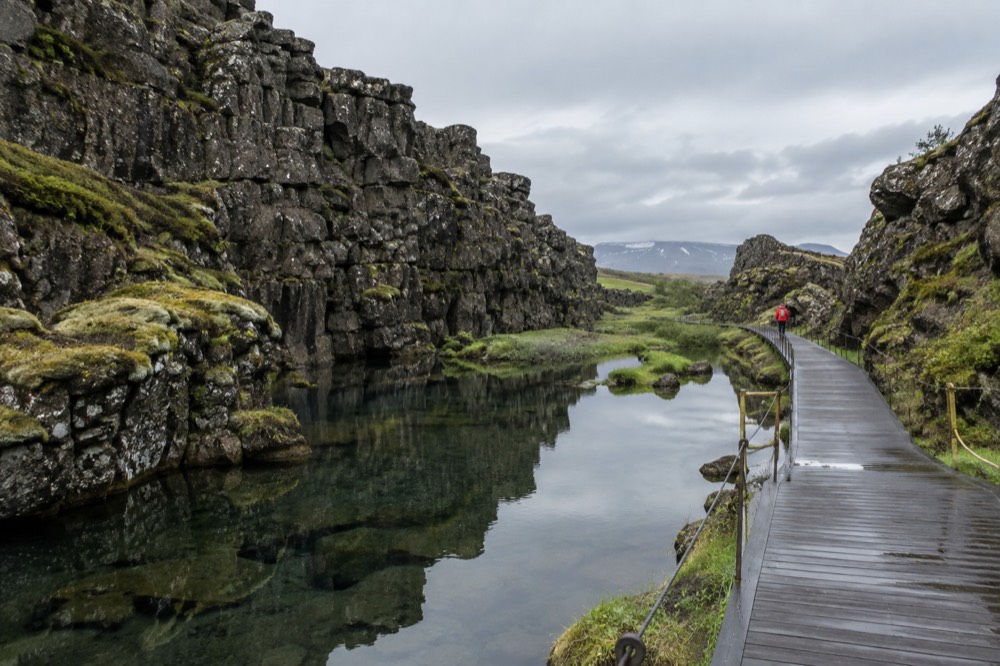
Þingvellir deserves its own sentence because it is the classic half-truth. Entry to the national park, the rift valley where the continental plates meet, costs nothing, but parking a standard car is 1,000 ISK for the day, per the park's own parking page. Arrive by bus or on an organized transfer and the park genuinely costs you nothing; arrive by rental car and the parking fee is part of the day.
Grótta, the lighthouse islet at Seltjarnarnes, is the other one with a built-in condition. Access is free, the causeway is walkable at low tide, and the Kvika foot bath beside the trailhead is free year-round. But the causeway floods at high tide, and the entire island is closed to visitors from May 1 to July 15 while Arctic terns nest, so the free visit needs a tide check and a calendar check. The site's Grótta lighthouse guide covers both.
Beyond these, the honest summary is that almost everything marketed at tourists in Iceland carries a price, and almost everything locals do on a weekend does not. The free layer of the country is the layer Icelanders built for themselves: the trails, the parks, the festivals, the foot baths, the mountain on the horizon. A visitor who plans around that layer can spend days in Iceland handing over almost nothing.
Common Questions About What's Free In Iceland
What's Free In Iceland?
The free walking tours in Reykjavik, the hiking trails at Esja and Heiðmörk, the Reykjadalur hot river, the city's public sculptures, parks, street art and Harpa's foyer, and the major public festivals including Culture Night, Museum Night, June 17 and the New Year's Eve bonfires. The northern lights are free to watch from September to April.
Are the free walking tours in Reykjavik actually free?
Yes. There is no booking fee and no fixed price. The walks run on tips, you pay what you feel at the end, and CityWalk accepts cash or card. Sweet Streets is cash only, so bring notes if you choose that one.
Is the Blue Lagoon free?
No. The Blue Lagoon is a paid attraction and always has been. The free alternative within reach of the capital is the Reykjadalur hot river near Hveragerði, where the hike and the bathing cost nothing, though the trailhead car park now charges for parking.
Are Iceland's museums free?
Most are not. The National Museum, the National Gallery and the Reykjavík Art Museum all charge adult admission, and the Art Museum has no free day. Under-18s get in free at the major state and city museums, and Museum Night in early February opens participating museums free for one evening a year.
Can you see the northern lights for free in Iceland?
Yes, if the sky cooperates. From September to April you can watch the aurora from free public viewpoints around Reykjavik, including Grótta, Öskjuhlíð and Elliðaárdalur. No tour is required, though a guided drive to darker skies is a paid option some visitors prefer.
Is Þingvellir National Park free?
Entry is free, but parking is not. A standard car pays 1,000 ISK for a day pass covering the park's main car parks. If you arrive by public bus or a tour transfer, your visit costs nothing.