What I Wish I Knew Before Going To Iceland?
Practical things first-time visitors to Iceland wish they had known before flying: airport transfers, tap water, tipping on free walking tours, and the attractions that are not actually free.
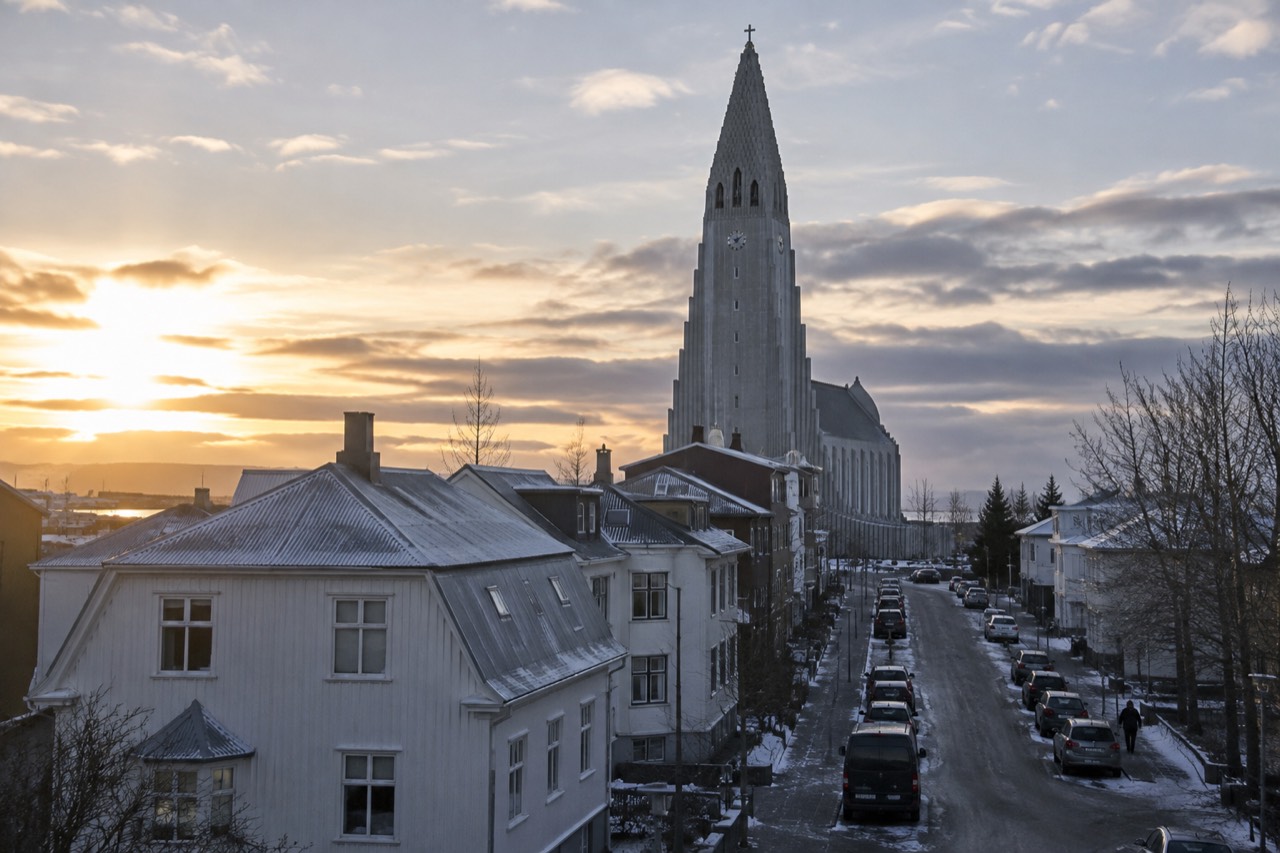
Every year, first-time visitors land at Keflavík, queue for a bus, and then spend their first afternoon in Reykjavik discovering that half the "free" list they saved from the internet has an admission charge attached. The things people wish they had known beforehand are rarely dramatic. They are small, checkable facts: what the bus actually costs, which museum prices changed, why the geothermal beach is not free, and how a walking tour with no ticket price actually works. This page collects them in one place, with real figures from official sources rather than recycled listicles, and it names the free walking tours in town honestly: there are only two English-language options, and both are worth knowing about before you arrive.
What I Wish I Knew Before Going To Iceland?
The short answer: the airport transfer is about 4,000 ISK each way, tap water is free and excellent, the "free" geothermal beach charges 1,500 ISK, a free walking tour still ends with a tip of roughly 2,000 to 5,000 ISK, and Iceland's daylight swings between 21 hours in June and a handful in December. Knowing those five things before you fly changes how you pack, budget and plan.
The pattern behind almost every "I wish I knew" story from Iceland is the same: a visitor assumed Iceland worked like the rest of Europe, and it quietly does not. Tipping is not part of the culture, yet the free walking tour model runs entirely on tips. Tap water needs no filter and no bottle, yet people buy bottled water at airport prices. Parking that is free on Sunday costs 660 ISK an hour on Monday. None of this is hidden, but it is scattered across a dozen official sites, and most trip planning happens in the two weeks before a flight.
A second pattern is seasonal. Iceland in June and Iceland in November are close to different countries. Around the summer solstice the sun sets just after midnight and rises before 3 a.m., giving roughly 21 hours of daylight, which is why the midnight sun is genuinely free and genuinely disorienting. In deep winter the reverse applies, and that short window of dark is exactly when the northern lights become possible: the season runs September to April, and there are public viewing spots in and around the city that cost nothing. If you want the full picture of where to stand and when, the northern lights viewing guide for Reykjavik covers the named spots.
The third thing almost everyone says afterwards: the free walking tour on day one was the best money they spent, even though it has no price. Reykjavik has a small roster, not a wide field. For an English speaker there are exactly two walks, and one Spanish-language option. The CityWalk tour, listed on freetour.com, is the long-running, dominant free walk in the city, rated 9.6 out of 10 across 6,683 freetour.com reviews. The smaller GuruWalk option, Sweet Streets, is rated 4.6 out of 5 across 87 GuruWalk reviews. Both are real, both are free to join, and both expect a cash tip at the end.
Getting From Keflavík Airport Without Overpaying
The Flybus from Keflavík to the BSÍ terminal in Reykjavik costs 3,999 ISK one way for an adult, or 5,299 ISK if you want the hotel-stop version. The public Strætó route 55 is the budget alternative at roughly 2,400 ISK, and children aged 1 to 5 fly and ride free on the Flybus. Book the transfer before you land, not at the arrivals hall.
The airport is a long drive from the city and there is no train, so every visitor makes this decision once. The Flybus, run by Reykjavík Excursions, includes Wi-Fi and standard luggage, and its prices are published on the operator's own pricing page at flybus.is. The cheaper public option, Strætó route 55, runs less frequently and drops you into the ordinary city bus network, which is fine if your accommodation is near a stop and painful if it is not.
Here is how the main transfer options compare, using the operators' own published figures:
| Option | Route | Adult price | Notes |
|---|---|---|---|
| Flybus | Keflavík to BSÍ terminal | 3,999 ISK one way | Free Wi-Fi, standard luggage included |
| Flybus plus hotel stop | Keflavík to guesthouse stops | 5,299 ISK one way | Drops near your accommodation |
| Strætó route 55 | Keflavík to city bus network | roughly 2,400 ISK | Public bus, less frequent |
| Children 1 to 5 | On the Flybus | free | Youth 6 to 15 pay roughly half |
Once you are in the city, the buses are cheap and simple. A single adult fare on Strætó is 690 ISK with contactless payment or the app, valid for 75 minutes including transfers, and children 11 and under ride free. The official fares are on the Strætó pricing page. One thing worth knowing in advance: single fares rose about 3 percent in January 2026, and the old day passes were discontinued, so any blog telling you to buy a 24-hour bus pass is out of date. The 24-hour pass that does exist now costs 2,750 ISK.
What Is Genuinely Free In Reykjavik
The honest free list is longer than most visitors expect: the Sun Voyager sculpture, the Harpa concert hall foyer, Rainbow Street, the Tjörnin pond, the Old Harbour waterfront, the botanical garden, the Öskjuhlíð hill trails, the Kvika foot bath and the city's street art are all free with no ticket, no card and no condition. The city publishes its own list of these, and it checks out. A free walk covers this ground: Morning Walk From Harpa, Cash Tips.
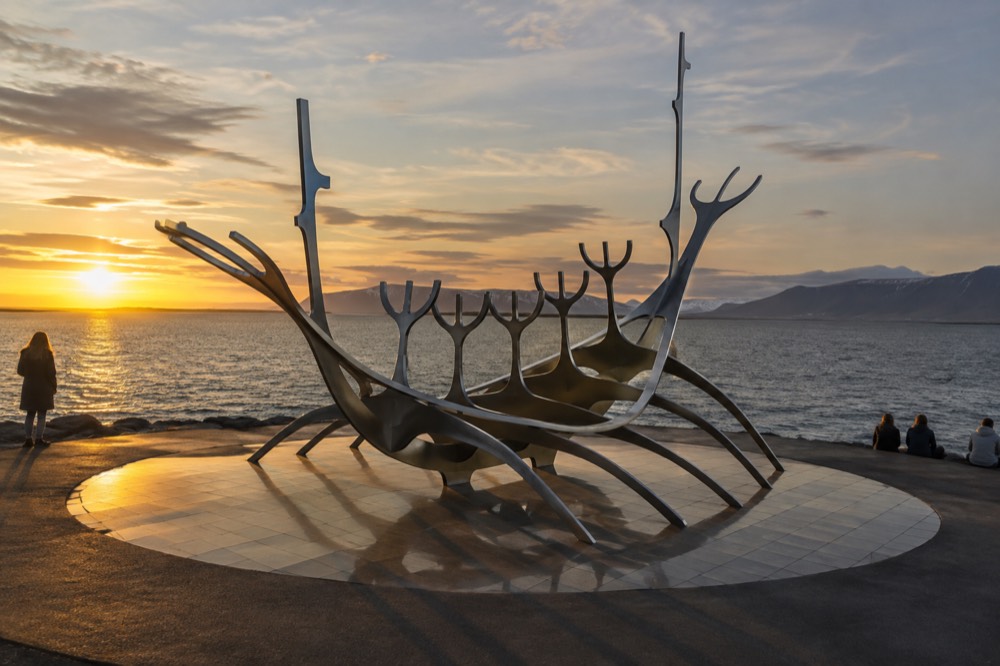
Harpa deserves a specific mention because people assume a concert hall must charge. It does not: admission to the building and to the Hljóðhimnar sound installation on the ground floor is free, with the foyer open from 10:00 to 18:00 Sunday to Tuesday and until 20:00 Wednesday to Saturday. The Sun Voyager, the steel boat sculpture on Sæbraut, is unfenced and free at any hour. The Old Harbour and Grandi district, including the Þúfa art mound with its 360-degree view, are public quays where you can spend a full afternoon without spending anything. The guide to the Old Harbour and Grandi maps the walk. One of the free walking routes passes through here: Spanish-Language Legends Walk.
Tap water belongs on this list too, and it is the one visitors most often get wrong. Reykjavik's water comes from protected groundwater, meets strict standards, and is free from the cold tap. The faint sulfur smell from geothermal sourcing is normal and harmless. Buying bottled water in Iceland is paying for something you already have in your hotel sink, and the savings across a week are real.
The Einar Jónsson sculpture garden behind Hallgrímskirkja is free year-round, as are the hiking trails on Öskjuhlíð hill and, a short drive out, the Elliðaárdalur valley and Heiðmörk nature reserve. If your trip falls in the darker months, add the public northern lights viewpoints: Klambratún, Öskjuhlíð, Grótta and Elliðaárdalur all appear on the city's own list of dark spots.
The Traps: Things Called Free That Are Not
Four attractions get described as free and are not: the Nauthólsvík geothermal beach charges 1,500 ISK for adults year-round, the Hallgrímskirkja tower costs 1,500 ISK since June 2026, the Perlan observation deck cannot be bought separately from a full ticket, and anything "free with the Reykjavik City Card" is not free because the card itself costs 6,100 ISK for 24 hours.
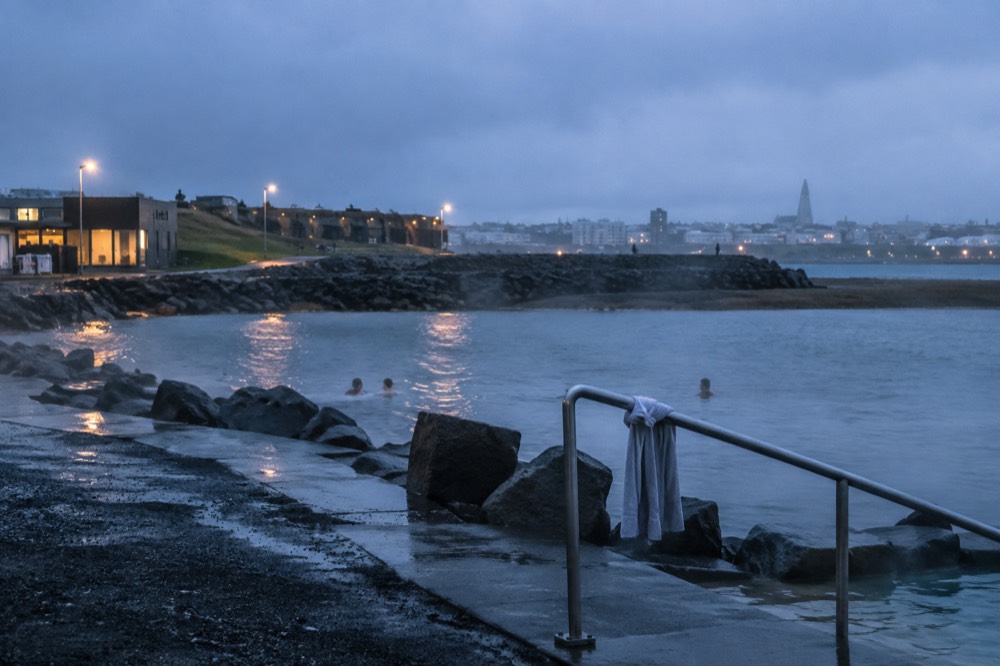
Nauthólsvík is the single biggest trap in the city. The widely repeated claim that the geothermal beach is free from mid-May to mid-August is contradicted by the operator's own tariff: one flat entrance pass, no seasonal split, 1,500 ISK for adults, 400 ISK for ages 10 to 17, free for under-10s. The official page at nautholsvik.is is the source, and it matches the city pool tariff introduced in May 2026. It is a lovely place, and cheap by Icelandic standards, but it is not free, and any list that says otherwise is out of date. The Nauthólsvík guide covers what your 1,500 ISK actually buys.
Hallgrímskirkja is a subtler one. The nave is free to enter, and occasional organ and choir events are free too, but the tower lift that everyone photographs from is a paid ticket: 1,500 ISK for adults from June 2026, with no advance booking. The Reykjavik City Card is the third trap in disguise. It is a paid product, 6,100 ISK for 24 hours, 8,500 ISK for 48, 10,500 ISK for 72, and it can be good value, but "free with the City Card" is a different sentence from "free", and this site treats it that way everywhere. The full guide to the City Card runs the maths on when it pays off.
Perlan catches people who only want the view. Access to the observation deck is included with every ticket and cannot be purchased separately, so the free alternative is the walk up Öskjuhlíð hill itself, which the city's own visitor site recommends as a free and equally stunning viewpoint.
Here is the honest status of the attractions most often mislabelled as free:
| Attraction | Real status | What it actually costs |
|---|---|---|
| Nauthólsvík geothermal beach | Paid year-round | 1,500 ISK adult, 400 ISK ages 10 to 17, free under 10 |
| Hallgrímskirkja tower | Paid | 1,500 ISK adult since June 2026, nave free |
| Perlan observation deck | Paid | Included in every ticket, not sold separately |
| Reykjavík City Card | Paid | 6,100 ISK for 24 hours |
| Reykjavík Art Museum | Paid | 2,550 ISK adult, under-18 free |
| National Museum of Iceland | Paid | 3,300 ISK adult, under-18 free |
Money, Tipping And How Free Walking Tours Actually Work
A free walking tour in Reykjavik costs nothing to join and everything to finish: guides work for tips alone, and the going rate is 2,000 to 5,000 ISK per person, cash preferred. Tipping elsewhere in Iceland is neither expected nor customary, so this is the one place in the country where a tip is the entire business model.
This is the single most useful thing to know before arrival, and it is why the free walks are not a trick. The CityWalk tour, the dominant free walk in the city, runs daily at 10:30 and 13:30 from Austurvöllur square in front of the Parliament building, takes about two hours, covers roughly 2 km, and is rated 9.6 out of 10 across 6,683 freetour.com reviews. It is English only. You book, you walk, and at the end you pay the guide what you feel the walk was worth, in cash or by card.
The smaller option, Sweet Streets of Reykjavik on GuruWalk, is rated 4.6 out of 5 across 87 GuruWalk reviews and runs in English and Spanish. Its verified English departures are Monday, Thursday, Friday, Saturday and Sunday at 11:00, meeting at the Harpa building. One detail that genuinely catches visitors out: this walk is cash only, and on a pay-what-you-want walk the tip is the whole payment, so a visitor with no cash cannot pay the guide at all. GuruWalk suggests somewhere in the 15 to 50 euro range per person as a fair tip.
There is also a Spanish-language walk, the Rainbow Tours history and legends tour, which runs Monday to Friday at 17:00 and Saturday and Sunday at 11:00, in Spanish only. Its GuruWalk listing is genuinely new, created in late August 2026, and shows no reviews yet. It is not a third English option, and it is the same walk as the freetour.com listing for Rainbow Tours, not a separate tour.
Everyday costs are worth calibrating before you fly, if only so nothing ambushes you. A hot dog with everything from the famous harbour stand runs roughly 600 to 820 ISK and is the classic budget meal. A café coffee is about 700 to 900 ISK. A cheap sit-down meal starts around 3,300 ISK. A beer is 1,400 to 1,800 ISK, less at happy hour. Public toilets are free in many public buildings but charge around 200 ISK at standalone tourist spots, so keep a small coin of the realm in mind. For the deeper budget picture, read is Iceland expensive.
Weather, Seasons And The Things Daylight Does
Iceland's weather is not cold so much as changeable: expect wind, rain and sun in a single afternoon, and pack layers regardless of season. Daylight is the real variable, from about 21 hours at the summer solstice to a few hours in midwinter, and the northern lights season runs September to April, which should drive your packing list more than the temperature forecast.
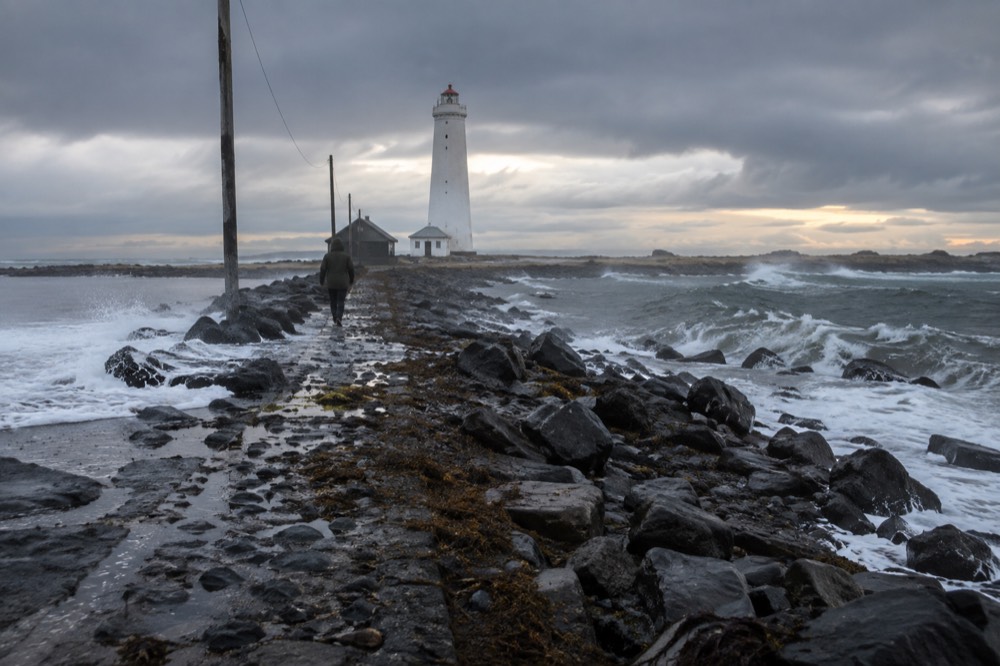
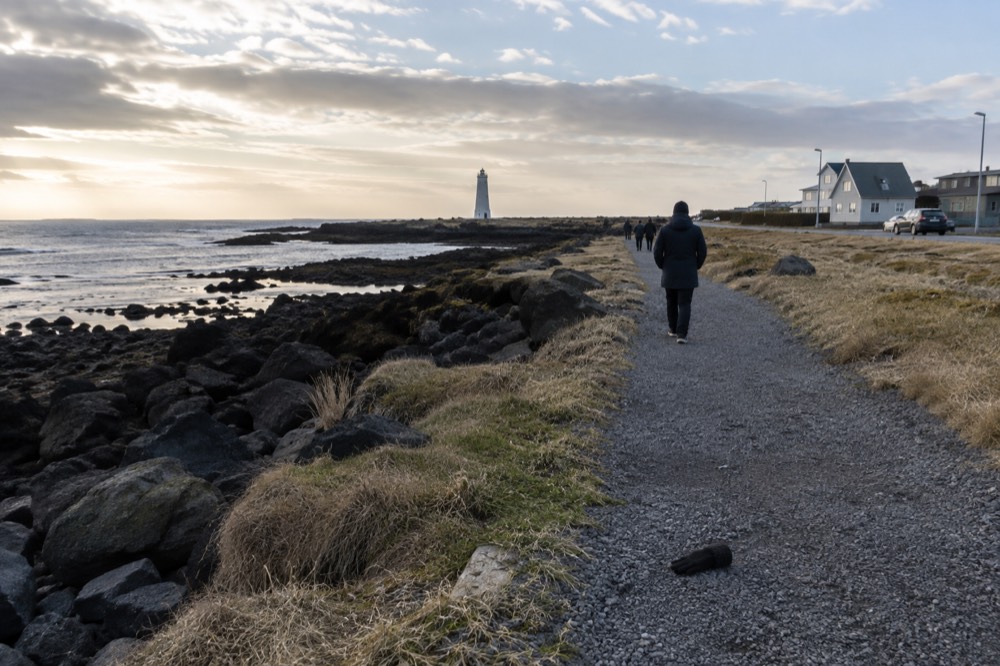
Two seasonal closures matter to the free-attraction list. Grótta, the lighthouse and nature reserve on the Seltjarnarnes peninsula, is free but closed to all access from May 1 to July 15 for arctic tern nesting, and even outside that window the causeway to the island floods at high tide, so you check the tide table before walking out. It is one of the best free aurora viewpoints in the capital area precisely because its horizon is dark, which makes the summer closure a fair trade. The Grótta lighthouse guide explains the tide and nesting rules in full.
The other date-driven freebies are the festivals, and visitors who time a trip around one never regret it. Culture Night, Menningarnótt, fills the city with free events, and the free Strætó buses run for an hour after the fireworks. The Winter Lights Festival in early February includes Museum Night, when participating museums open free, and Pool Night, when participating pools are free from 17:00 to 21:00. National Day on June 17 brings a parade, ceremonies in Austurvöllur and free concerts in the parks. New Year's Eve brings about ten free community bonfires across the city.
Getting Around: Buses, Parking And The Day Trip That Is Not Quite Free
Strætó buses cover the capital area for 690 ISK a ride, city-centre parking costs 660 ISK an hour on weekdays with free evenings, Sundays in outer zones and public holidays, and the famous Þingvellir National Park is free to enter but charges 1,000 ISK to park a standard car. None of these will ruin a trip, but all of them surprise people who planned from older guides.
Parking is the one that catches drivers. The official zones run from P1 in the core at 660 ISK an hour with a three-hour maximum, down to P4 where weekends are free. Payment is by meter or app, and tickets bought in a higher zone stay valid in lower ones. The full zone rules are on the city's parking page, and the free parking guide translates them into plain language, including which holidays are free.
Þingvellir is the classic first day trip, and the honest framing is conditionally free: entry to the national park itself costs nothing, but parking a car with up to five seats costs 1,000 ISK for the day, per the official parking service page. Arrive by bus or on a tour and the park is free; arrive by rental car and it is a 1,000 ISK outing. Visitors who also plan to drive should know about the per-kilometre road tax introduced on January 1, 2026, which rental operators pass on in settlement.
The free walking tours deserve one last practical note here, because they double as orientation. The Sweet Streets walk on GuruWalk takes bookings up to 10 people and needs a minimum of 5 to run, which matters in the quiet season: a solo traveller booking an off-season Tuesday may find the walk does not go ahead. Cancellation is free on both GuruWalk walks, and the guides ask that you cancel rather than no-show. Both walks last about two hours, and both end with the tip.
Beyond the city, the free list keeps going. Mount Esja's trails across the bay are free to hike, Heiðmörk's 3,200 hectares are open to everyone, and the public aurora spots stretch from Rauðhólar to Úlfarsfell. None of these need a booking, a card or a ticket, which is exactly why the Free Things To Do In Reykjavik site exists: to separate the genuinely free from the conditionally free and the quietly paid. If your trip stretches beyond the capital, the free things to do across Iceland page carries the same honest framing nationwide.
Common Questions About Iceland Travel
What I Wish I Knew Before Going To Iceland?
The practical answers: the airport transfer costs about 4,000 ISK each way, tap water is free and safe, the geothermal beach and museum entries are paid even when old lists call them free, free walking tours run on tips of roughly 2,000 to 5,000 ISK, and daylight swings from about 21 hours in June to a few in December. Knowing these before you fly changes how you budget and pack.
Is tap water in Reykjavik safe to drink?
Yes. It comes from protected groundwater, meets strict standards, and is free from the cold tap. A mild sulfur smell from geothermal sourcing is normal and not a health issue. Bottled water is unnecessary.
Do you have to tip on a free walking tour?
The walk is free to join and the guide is paid only from tips, so yes in practice: the going rate is 2,000 to 5,000 ISK per person. Note that the Sweet Streets walk on GuruWalk is cash only.
Is Nauthólsvík geothermal beach free?
No. It charges 1,500 ISK for adults year-round, with no free summer window. The claim of a free mid-May to mid-August season is contradicted by the operator's own tariff.
How much does the bus from Keflavík airport cost?
The Flybus costs 3,999 ISK one way for an adult to the BSÍ terminal, or 5,299 ISK with hotel stops. Strætó route 55 is the cheaper public alternative at roughly 2,400 ISK.
When can you see the northern lights in Reykjavik?
The season runs September to April, on clear, dark nights, and the city itself publishes free public viewing spots including Grótta, Öskjuhlíð, Klambratún and Elliðaárdalur. Grótta is closed to access from May 1 to July 15 for bird nesting.