What Is The Cheapest Month To Go To Iceland?
The cheapest time to visit Iceland is the winter low season outside the holidays, and most of the fixed costs, taxes, museum fees and bus fares stay identical all year. Here is how the calendar and the price list actually interact.
What Is The Cheapest Month To Go To Iceland?
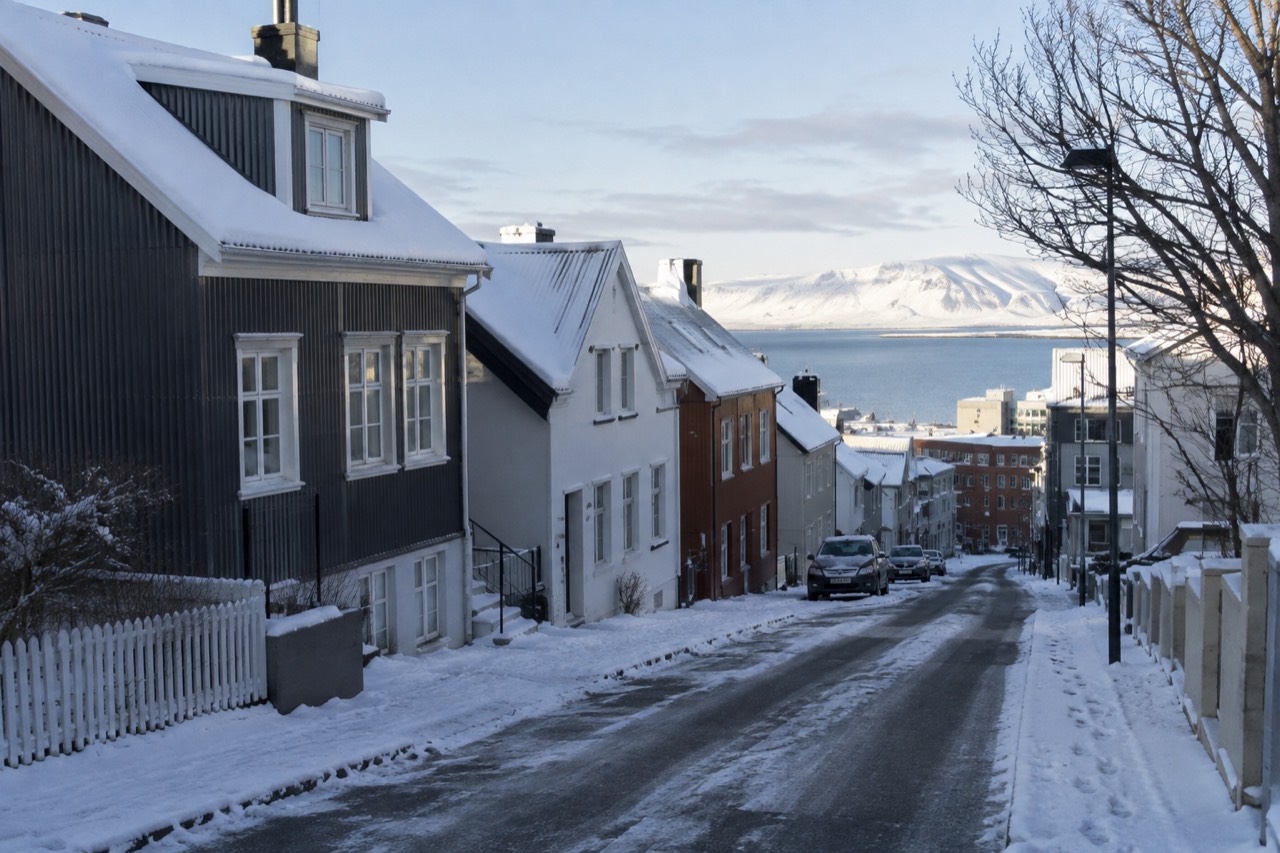
The cheapest months to visit Iceland are the winter low season months, roughly November through March, excluding the Christmas and New Year holiday period. Nothing in Iceland's own price structure gets cheaper in those months, but flights and accommodation, the two costs that dominate any Iceland budget, drop hardest when the crowds leave and the daylight shortens.
The honest answer has two parts. The first part is that the calendar, not the ticket office, sets your budget. Iceland's fixed costs are fixed all year: the lodging tax is 800 ISK per night whether you arrive in January or July, the public pool charges 1,500 ISK for an adult in every season, and the museum admission pages carry one price list with no seasonal column. What changes month to month is the price of getting there and sleeping there, and those swing hardest in the quiet months, when airlines and guesthouses compete for a thin crowd of aurora hunters and business travelers instead of a summer flood.
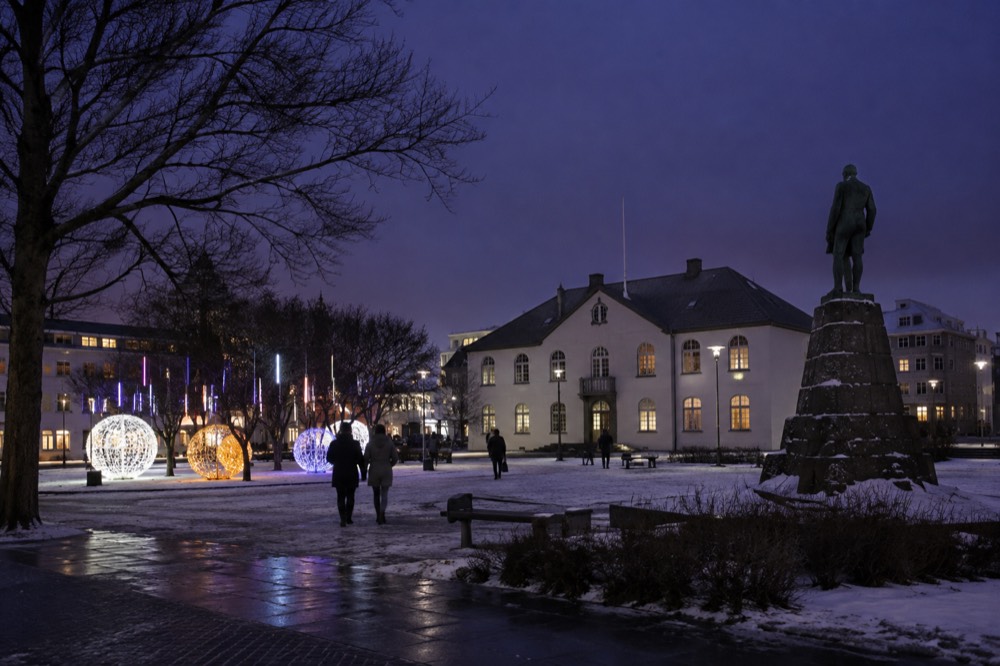
The second part is that the cheap months are not empty months. February carries the Winter Lights Festival with free light installations and a free Museum Night. September through April is the northern lights season, which costs nothing to watch from a city park. And the walks that anchor a budget visit run all winter: the CityWalk free tour departs every day at 10:30 and 13:30 from Austurvöllur square, in front of the Parliament building, and runs on tips alone, rated 9.6 out of 10 across 6,683 freetour.com reviews. If you want a structured first look at the city without touching your budget, a free walk is the single most reliable free activity in Reykjavik, and it runs in every month you might pick.
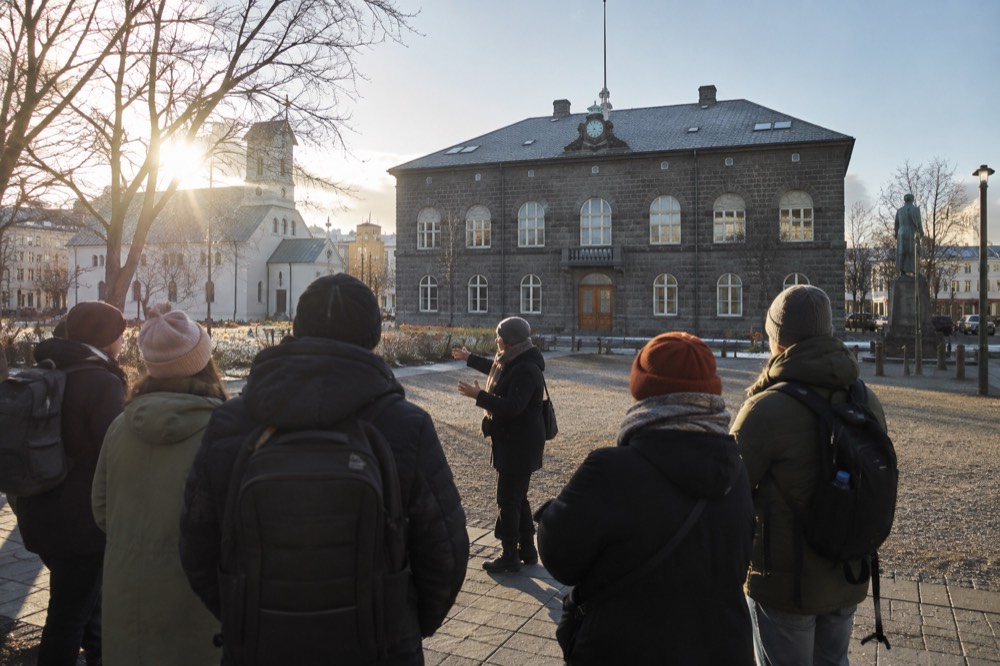
For English speakers there are exactly two free walking tours in the city worth naming. CityWalk is the long-running, dominant one, English only, about two hours and two kilometers, finishing at City Hall, with a maximum of six people per booking on its own form. The route names Parliament, Laugavegur, the Tjörnin pond, the old Grjótaþorp quarter and Rainbow Street, and the tour page notes that Harpa and Hallgrímskirkja are seen from a distance rather than visited. The smaller option is Sweet Streets of Reykjavik, listed on GuruWalk, rated 4.6 out of 5 across 87 GuruWalk reviews, running in English at 11:00 on Monday, Thursday, Friday, Saturday and Sunday from the Harpa building, and it is cash only, which matters on a pay-what-you-want walk: the tip is the entire payment, so arrive with notes. There is also a Spanish-language legends walk on GuruWalk, new since late August 2026 and with no reviews yet, but an English-speaking reader has these two, and only these two. A free walk covers this ground: Morning Walk From Harpa, Cash Tips.
When Exactly Is Low Season, And Which Dates Inside It Are Not Cheap?
Low season in Iceland runs from roughly November to March, but two windows inside it behave like peak season: the Christmas and New Year period, and any week with a major event such as the Winter Lights Festival in early February. Mid-January through mid-February, and November before the holiday markets open, are the quietest and usually the cheapest stretches of the year.
The holiday spike is predictable. New Year's Eve in Reykjavik is a genuine spectacle, with ten free community bonfires lit across the city at around 8:30 p.m. and personal fireworks banned at the sites themselves, so demand for rooms surges in the days around it. February's Winter Lights Festival pulls a different crowd, drawn by free light installations along the trail from the Hallgrímskirkja area to City Hall and by Safnanótt, the Museum Night, when participating museums open free or late. Free is free, but the rooms around a festival weekend price like a festival weekend, and the same logic applies to the National Day crowds in June and Culture Night in August even though those events themselves cost nothing.
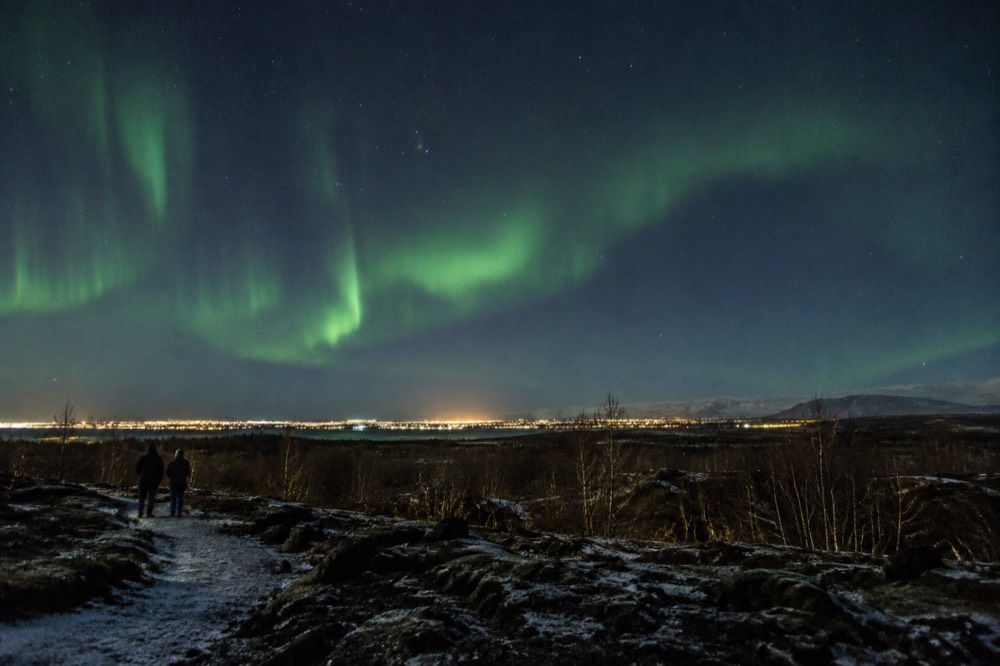
The trade for the cheap months is daylight, and it is a real one. Around the winter solstice the city sees only a few hours of usable light, which compresses sightseeing into a short window and pushes most of your day into museums, pools and long dinners. The flip side is that those short days are dark enough for aurora, and the northern lights season runs September through April, viewable for nothing from public spots like Öskjuhlíð hill, Elliðaárdalur valley and Grótta on the Seltjarnarnes peninsula. Grótta is free to visit, but all access is closed from 1 May to 15 July for arctic tern nesting, and the causeway floods at high tide, so time it with the tide table. If you plan to spend your evenings standing in a park looking north, the cheap months are the months that make that possible, and no summer trip can offer it at any price.
Which Costs Stay Exactly The Same No Matter Which Month You Pick?
Every fixed fee in Iceland is season-independent: the 800 ISK per-night lodging tax, the 690 ISK adult bus fare on Strætó, the 1,500 ISK adult pool entry, museum admissions and the per-kilometre road tax for drivers all apply identically in January and July. Choosing a cheap month saves you nothing on these, it only saves you on flights and beds.
This is the part of an Iceland budget that no calendar can touch, and it is worth knowing before you assume a winter trip is cheap across the board. The accommodation tax, collected on every hotel and guesthouse night, is 800 ISK per overnight unit and has been in effect since at least January 2025, with 400 ISK for campsites and motorhome spots. Drivers pay a per-kilometre road tax introduced on January 1, 2026, at a statutory rate around 6.95 ISK per kilometre for cars and SUVs, which shifts the math on any self-drive plan regardless of season, since the amount you pay depends on how far you drive rather than when.
| Fixed cost | Adult price | Applies |
|---|---|---|
| Lodging tax (hotels, guesthouses) | 800 ISK per night | All year |
| Lodging tax (campsites, motorhome spots) | 400 ISK per night | All year |
| Strætó capital-area single bus fare | 690 ISK, valid 75 minutes | All year |
| Public swimming pool entry | 1,500 ISK | All year |
| Reykjavík Art Museum, all three sites | 2,550 ISK, ticket valid 24 hours | All year |
| Whales of Iceland | 4,000 ISK | All year |
| Hallgrímskirkja tower | 1,500 ISK | All year |
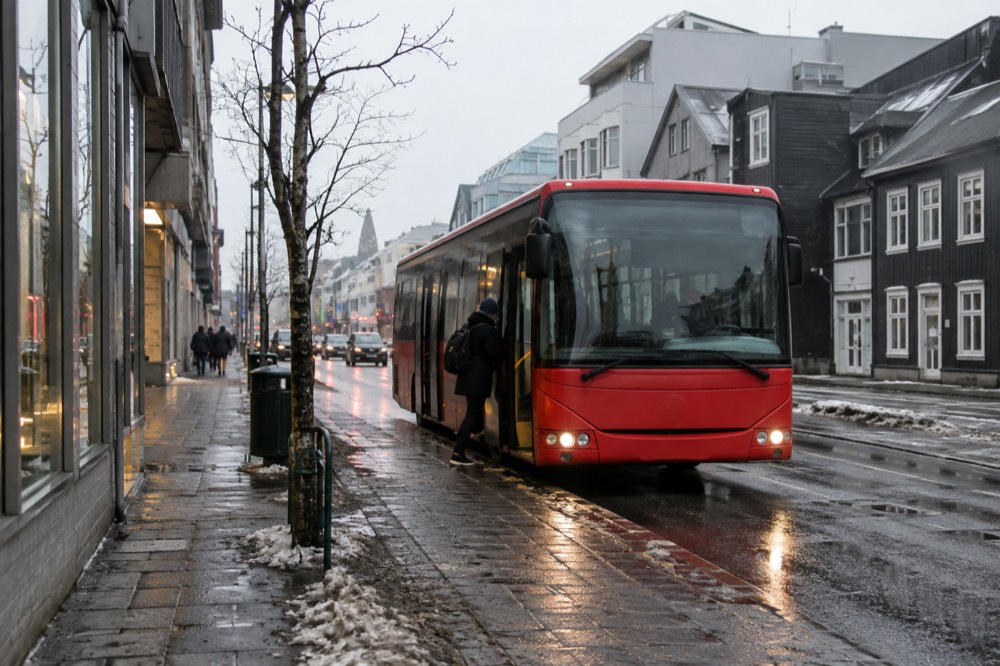
The bus system deserves a closer look, because it is the cheapest legitimate transport in the capital area and its prices are published plainly. A single adult fare on Strætó is 690 ISK with contactless payment or the app, valid 75 minutes including transfers, with children 11 and under free and youth and senior fares at 345 ISK, per the operator's own pricing page. Fares rose about three percent in January 2026 and day passes were discontinued, so the 24-hour pass at 2,750 ISK and the 72-hour pass at 6,000 ISK are the remaining bundles. Fare capping also applies, with a maximum of three rides per day or nine per week for adults on the same card, which protects a heavy bus day from stacking single fares.
Parking follows the same logic, with one seasonal wrinkle that favors weekend travelers. The city's paid zones charge 660 ISK per hour in the P1 city-center core on weekdays, but P3 and P4 zones are free on weekends, and all zones are free on listed public holidays, per the official Reykjavik parking rules. A cheap-month trip that lands on a holiday weekend can park for nothing in zones that cost real money on a Tuesday, and a ticket bought in a higher zone stays valid in lower ones, which is handy when you move between the center and the outskirts.
Do Museum And Attraction Prices Drop In The Off Season?
No. Reykjavik's paid museums and attractions carry one price list all year, with no off-season discount, no winter rate and no free weekday. The National Museum charges 3,300 ISK for an adult in every month, the Art Museum 2,550 ISK, and Whales of Iceland 4,000 ISK, so the only lever a budget visitor has is choosing which of these to skip, not when to buy.
The one structural exception is age. Across the Reykjavík Art Museum, the National Museum, the National Gallery, the Settlement Exhibition and the Árbæjarsafn open-air museum, visitors aged 0 to 17 and disabled visitors enter free. That is a year-round rule, not a promotion, and it changes the arithmetic for families in any month: two adults pay, the children do not. A family of four visiting two museums on the same trip saves the full child admission twice over, in February exactly as in July, and the Art Museum's 24-hour ticket across all three of its sites stretches one adult fare further than most city museums manage. The wider set of guides lives on Free Things To Do In Reykjavik.
For everyone else, the honest move is to treat the paid attractions as a shortlist rather than a circuit. Whales of Iceland, the life-sized whale model exhibition at the harbor, charges 4,000 ISK for adults, 2,000 ISK for children 7 to 15, with a family ticket at 8,000 ISK and under-7s free. It is a good exhibition, and it costs the same in February as in August, so it belongs on the list only if the indoor, weather-proof activities matter to your trip. The same flat pricing applies to the Settlement Exhibition at 3,100 ISK, Árbæjarsafn at 2,550 ISK and the Family Park and Zoo at 2,800 ISK, none of which publish a seasonal rate.
Which Free Festivals Land In Or Near The Cheap Months?
The two biggest free festivals bracket the year: the Winter Lights Festival in early February sits squarely inside the cheap season, with free light installations and a free Museum Night, while Culture Night in late August sits inside the shoulder season and makes a late-summer trip cheaper in practice, since its events, and the buses home afterward, cost nothing.
February is the quiet month that hides the best free weekend of the winter. The Vetrarhátið Winter Lights Festival lights up the dark with installations along the route from the Hallgrímskirkja area down to City Hall, and its Safnanótt Museum Night opens participating museums, including Reykjavík Art Museum sites and Reykjavík City Museum branches, free of charge. A trip planned around that weekend buys museum days that would otherwise cost 2,550 to 3,300 ISK each, for nothing. The festival also runs a free Pool Night at participating pools from 17:00 to 21:00, which turns the city's most affordable paid pleasure into a free one for a single evening.
Culture Night, Menningarnótt, is the summer counterpart and the single best-value day on the Reykjavik calendar. The official programme runs citywide with museums and galleries open free or late, street performances and concerts through the day, and fireworks near Arnarhóll and the harbor around 10 p.m., and the city's own page states the events are free to all, with Strætó buses free from 22:00 to 23:00 so the crowds can get home, per the city's Culture Night information page. The next edition falls on Saturday, August 21, 2027. August is not the cheapest month for flights and beds, but a festival day this dense, at zero admission, bends the whole trip's cost per day downward, and the free bus ride home is the rare case where even transport is covered.
How Do You Keep The Daily Budget Down Once You Have Picked Your Month?
The cheapest month only helps if the days themselves are cheap, and in Reykjavik that means free attractions, free walks, tap water, buses and supermarket food rather than restaurants. A hot dog with everything runs about 600 to 820 ISK, a café coffee 700 to 900 ISK, and a casual cheap meal from around 3,300 ISK, so the gap between restaurant days and picnic days is the biggest controllable cost after the flight.
The free layer of the city is deep enough to fill every day. The Sun Voyager sculpture on the waterfront, the Harpa concert hall foyer and its Hljóðhimnar sound installation, Rainbow Street, the Tjörnin pond, the Old Harbour and Grandi quays, the botanic garden and the Einar Jónsson sculpture garden behind Hallgrímskirkja all cost nothing, and the city maps more than 160 street art works you can walk past for free. Tap water is safe, free and recommended over bottled, with only an occasional mild sulfur smell that is normal and no health concern. Public toilets are free in many public buildings, including City Hall and libraries, though standalone tourist-spot facilities often charge around 200 ISK, so a refillable bottle and a bit of planning cover two small line items at once. Our companion piece on free things to fill a Reykjavik day lists these in full, and the winter guide to free Reykjavik covers the specific cold-season version. One of the free walking routes passes through here: Spanish-Language Legends Walk.
Money habits matter more here than timing habits. Buy picnic basics at a Bónus or Krónan supermarket, where a simple basket runs roughly 900 to 2,500 ISK per person, and use the pool at 1,500 ISK as your paid treat rather than a spa day. The midnight sun end of the calendar, with more than 21 hours of daylight on the solstice, and the free National Day celebrations on June 17, are covered in our summer guide to free Reykjavik if you decide the cheap months are not worth the dark. If the total trip budget worries you more than the month, the breakdown in is Iceland expensive? is the honest place to start, and the food-specific numbers sit in the cheapest food to eat in Iceland.
Common Questions About The Cheapest Month To Visit Iceland
What Is The Cheapest Month To Go To Iceland?
The cheapest months are the winter low season, roughly November through March, excluding the Christmas and New Year holiday window. Flights and accommodation, the two biggest line items, drop hardest then, while Iceland's fixed fees, taxes, museum admissions and bus fares stay identical all year.
Is February a good cheap month to visit?
Yes. February sits deep in low season and carries the Winter Lights Festival, with free light installations and a free Museum Night at participating museums. Rooms around the festival weekend itself may price higher, so book early or shift a few days to either side.
Do attractions cost less in the off season?
No. Reykjavik's paid attractions carry one year-round price list. The National Museum charges 3,300 ISK, the Art Museum 2,550 ISK and Whales of Iceland 4,000 ISK for adults in every month, with no seasonal discount.
Are the free walking tours really free in winter?
Yes. The CityWalk free tour runs every day at 10:30 and 13:30 year-round on a pay-what-you-want basis, and Sweet Streets runs its English departures on Monday, Thursday, Friday, Saturday and Sunday at 11:00. Both cost nothing up front and you tip the guide at the end.
What is the trade-off of visiting in the cheapest months?
Daylight. Around the winter solstice Reykjavik gets only a few hours of usable light, which compresses sightseeing. The compensation is the northern lights season, September through April, viewable for free from public spots like Öskjuhlíð, Grótta and Elliðaárdalur.
Is August ever a budget month?
Not on flights and beds, but Culture Night in late August makes it cheaper in practice. Museums open free or late, the street programme is free, fireworks close the night, and Strætó buses are free from 22:00 to 23:00 to carry the crowds home.