What Is The Cheapest Food To Eat In Iceland?
The cheapest food in Iceland is the hot dog, supermarket picnic staples and café soups. Here is what each one actually costs in 2026, and how to eat for under 2,000 ISK a day.
What Is The Cheapest Food To Eat In Iceland?
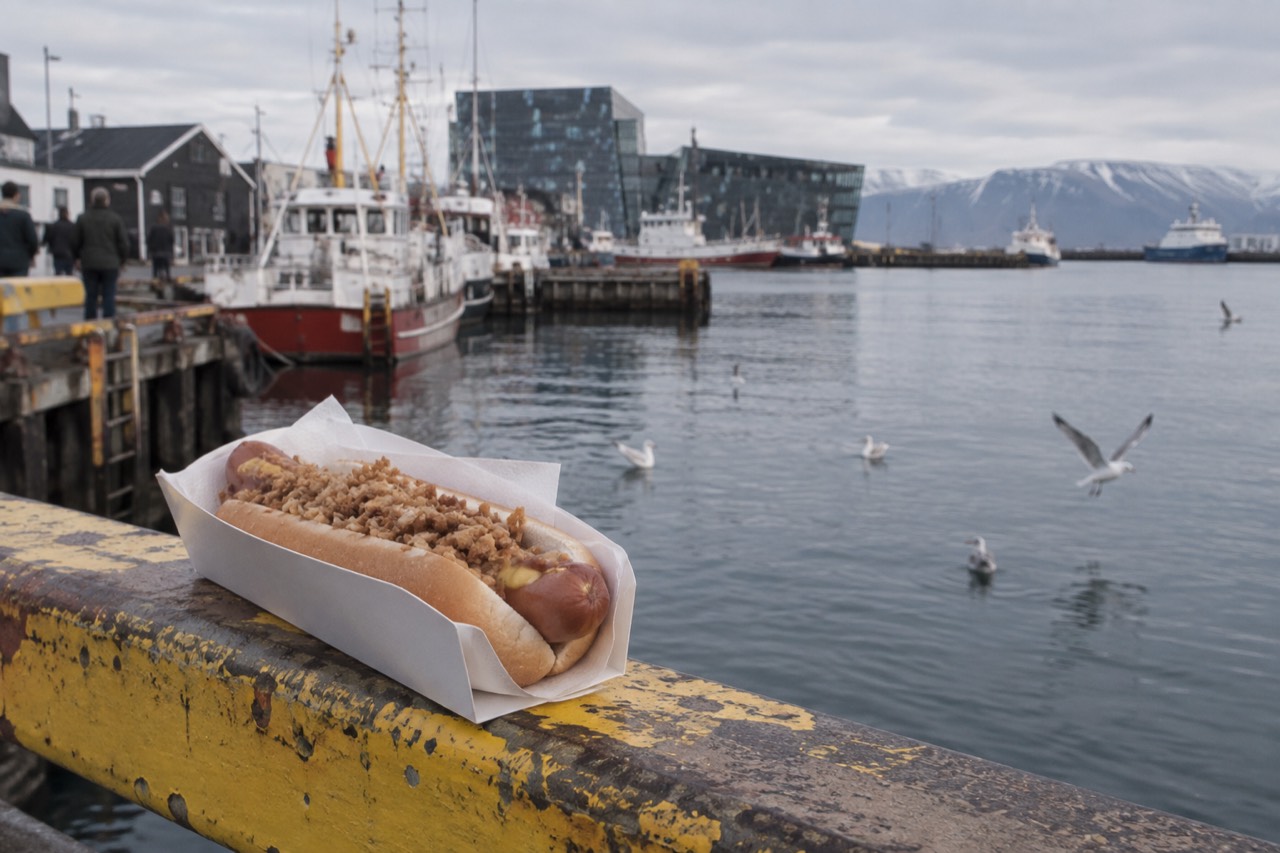
The cheapest food in Iceland is the hot dog, called a pylsa, which runs about 600 to 820 ISK with everything on it from the famous Bæjarins Beztu Pylsur stand at the harbour. Below that, only supermarket picnic staples are cheaper: skyr, bread and deli items assemble into a meal for roughly 900 to 2,500 ISK per person from Bónus or Krónan. Everything else climbs fast from there.
That is the honest answer, and it is worth dwelling on why the hot dog holds the crown. A casual café burger or a bowl of soup, the cheapest sit-down option in most of the country, is reported at around 3,300 ISK or more in 2026. That is roughly four hot dogs. A café cappuccino adds another 700 to 900 ISK, and a half litre of draught beer in an ordinary bar runs 1,400 to 1,800 ISK unless you catch a happy hour, when prices drop to roughly 800 to 1,000 ISK. The arithmetic of eating cheaply in Iceland is therefore less about finding a hidden gem and more about repeating two or three reliable staples without embarrassment.
The good news is that the cheap end of Icelandic food is genuinely good. The pylsa is a lamb-based sausage with a flavour nothing else quite matches, skyr is a thick, protein-heavy dairy that doubles as breakfast or dessert, and fresh bread from a supermarket bakery costs a fraction of what a café charges for toast. None of this is a consolation prize. Locals eat hot dogs weekly, and the stand by the harbour has served everyone from tourists to visiting heads of state for generations.
If you are building a whole budget trip around cheap food, the free walking tours slot neatly into the gaps between meals. Two of them run in English: the Free Things To Do In Reykjavik site covers them all, and the two English options are compared in the band below.
Is The Hot Dog Really The Cheapest Hot Meal In Iceland?
Yes, and it is not close. A pylsa with everything, what locals order by saying "með öllu", costs about 600 to 820 ISK at Bæjarins Beztu Pylsur, the harbour-side stand that is the standard reference point. A cheap sit-down meal, by contrast, is reported at roughly 3,300 ISK, so one café burger buys four hot dogs. Street food is the one corner of Icelandic eating where the price and the reputation point the same way.
The classic order needs no translation practice beyond one phrase. "Með öllu" means with everything: raw and crispy fried onions, sweet mustard called pylsusinnep, ketchup and remoulade. The crispy onions are the part visitors remember, and they are the reason the price gap over a supermarket sandwich feels justified. Petrol station hot dogs sit in the same price bracket and are a perfectly good substitute when you are outside the capital, with the added convenience that the station's coffee is also cheaper, around 300 to 400 ISK instead of a café's 700 to 900.
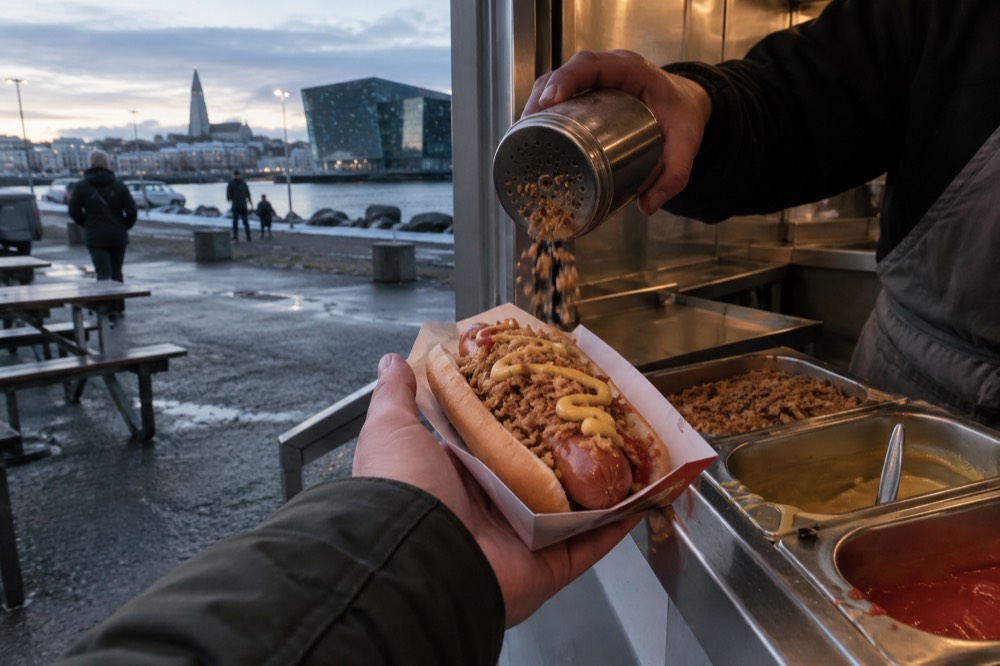
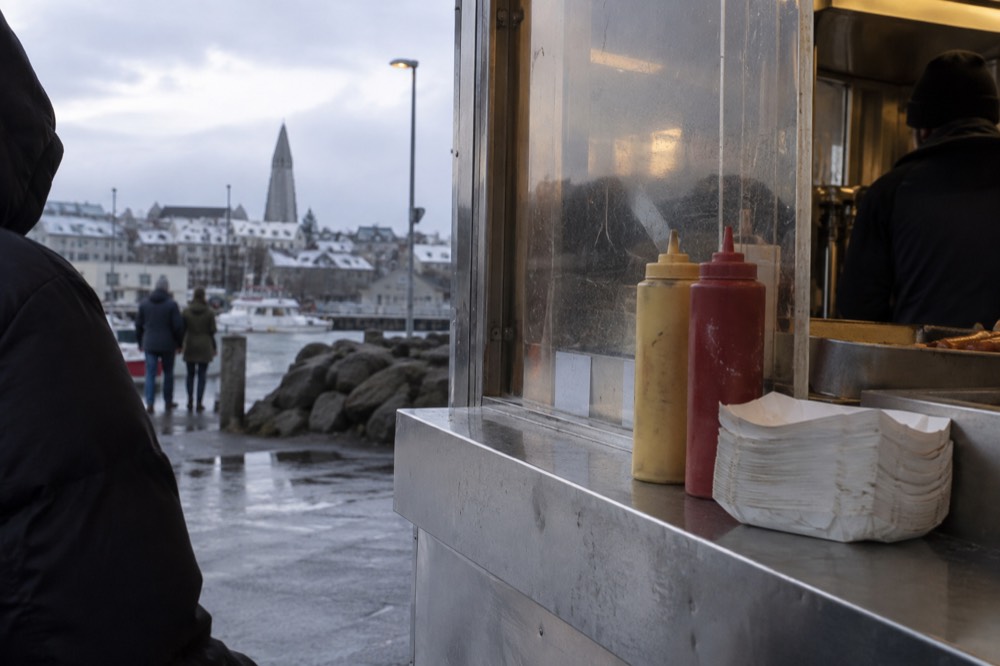
Bæjarins Beztu Pylsur is not a secret, and queuing behind locals at the original harbour stand is part of the experience. The stand is a short walk from the Old Harbour and from the Austurvöllur square where the free CityWalk walking tour starts each day at 10:30 and 13:30, which makes an obvious pairing: a two-hour walk that costs nothing up front, then a hot dog that costs less than a coffee back home. CityWalk is listed on freetour.com, rated 9.6 out of 10 across 6,683 freetour.com reviews, and you pay the guide what you feel the walk was worth at the end.
Can You Eat For A Whole Day On Supermarket Prices?
Yes, and this is where the real savings live. A picnic built from Bónus or Krónan staples, skyr, bread, cheese, deli ham and fruit, comes to roughly 900 to 2,500 ISK per person depending on appetite. That is the only way to eat in Iceland for less than the price of one café meal, and the same basket would cost two or three times more bought as café items.
Bónus is the discount chain locals actually shop at, recognisable by its pink pig logo, and Krónan is its slightly pricier cousin with more locations in the centre. The strategy is simple: buy breakfast and lunch materials on arrival, and reserve your eating-out budget for one hot meal a day. Skyr, the thick cultured dairy that Iceland exports as a superfood, is cheap by the tub and fills you like a meal. Bread from the in-store bakery is baked daily, and deli counters sell ham and cheese by weight rather than in fixed packs, which suits a two-day stay better than a weekly shop.
| Item | Typical 2026 price | Notes |
|---|---|---|
| Hot dog with everything | 600 to 820 ISK | Harbour stand or any petrol station |
| Skyr tub | supermarket pricing | Breakfast or dessert, protein-heavy |
| Bread, bakery | supermarket pricing | Baked daily at Bónus and Krónan |
| Deli ham and cheese | sold by weight | Buy only what a short trip needs |
| Picnic basket per person | 900 to 2,500 ISK | Reported range for basics and meals |
| Café burger or soup | about 3,300 ISK | The cheapest sit-down option |
| Café cappuccino | 700 to 900 ISK | Petrol stations charge 300 to 400 |
| Draught beer, 0.5L | 1,400 to 1,800 ISK | Happy hour drops it to 800 to 1,000 |
The picnic approach also unlocks the free half of eating in Iceland, which is the setting. Tjörnin pond, the Old Harbour quays and the city's parks are all free public space, and a bench by the water with a supermarket lunch is an experience a restaurant cannot sell you. The Reykjavik Botanic Garden is another free spot that pairs well with a carried lunch, with greenhouse hours to check in winter. One of the free walking routes passes through here: Spanish-Language Legends Walk.
Where Do You Actually Sit And Eat A Cheap Meal Out?
The cheapest sit-down meals are café soups and casual burger plates, reported at around 3,300 ISK, and the cheapest drink to pair with them is tap water, which is free and safe everywhere. Happy hour, typically 800 to 1,000 ISK for a draught beer, is the one time a bar beats a supermarket on price for what you get. Outside those two windows, eating out in Iceland is a budget decision, not a default.
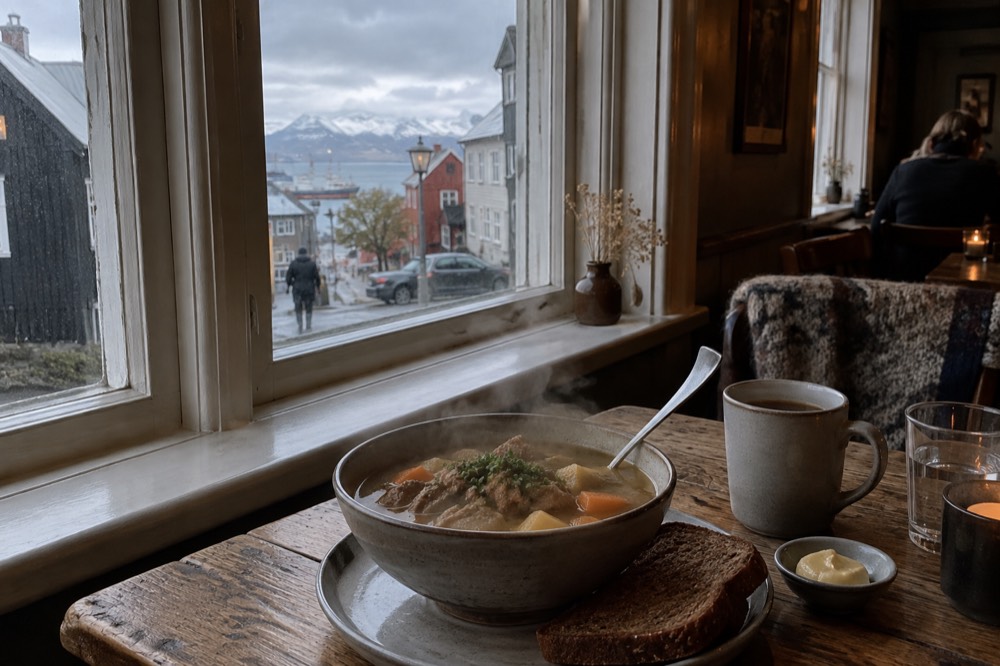
Soup is the quiet champion of cheap café eating. Lamb soup, fish soup and the daily soup special appear on nearly every café menu, and a bowl with bread lands at the low end of the sit-down range while doing the job a full meal needs to do in this climate. Coffee is the item to watch: the same cappuccino that costs 700 to 900 ISK in a centre café costs 300 to 400 ISK at a petrol station, and specialty roasters sit at the top of the range. If coffee is a ritual rather than a necessity, one café cup a day and station coffee the rest of the time is a painless saving.
Happy hour deserves a sentence of planning rather than luck. Reykjavik bars run late-afternoon happy hours on weekdays, and the drop from 1,400 to 1,800 ISK down to 800 to 1,000 ISK is the single largest percentage discount on any consumable in the country. If a beer matters to your evening, timing it beats economising on food.
Can You Eat Cheaply With A View Instead Of A Restaurant?
Yes, and in Reykjavik the view is always free while the table never is. The Old Harbour quays, the Þúfa mound with its 360-degree outlook, Tjörnin pond and the parks around it all cost nothing, so a supermarket picnic eaten by the water delivers the thing people pay restaurant prices for. The same logic applies on day trips: pack the food, spend nothing on the setting.
The Old Harbour and the Grandi district are the natural picnic ground for anyone based in the centre. The quays are free public space year-round, fishing boats come and go, and Þúfa, the grassy spiral mound at the end of the harbour, gives a full circle view of the sea, the mountains and the city for the price of a short walk. Seagulls will audition for your sandwich, so pack accordingly. The Reykjavik Old Harbour guide maps the whole district, quays, museums and boat trips, so you can see what is free and what is not before you set out.
Harpa, the concert hall on the harbour edge, is a useful bad-weather companion to this strategy. Its foyer and the Hljóðhimnar sound installation on the ground floor are free to enter during opening hours, which makes it the city's best free place to eat a carried lunch indoors when the weather turns, with the harbour view through the glass facade thrown in. The Harpa Concert Hall guide has the opening hours and what else is free inside the building.
What About Eating Cheaply Outside Reykjavik?
The same rules travel with you: petrol station hot dogs and supermarket staples are the cheapest food everywhere in Iceland, and the gap between them and restaurant meals never narrows. On the classic day trips, pack the picnic before you leave, because a single roadside café meal can cost more than the food for your whole day. Þingvellir National Park is the model case, free to enter with a parking charge for the car.
Þingvellir is where the picnic logic earns its keep. Entry to the national park itself is free, and the rift valley walks among the continental plates cost nothing on foot; the charge is for parking, 1,000 ISK for a car of up to five seats, valid all day. There is no cheap restaurant waiting at the far end of the walking trails, and there does not need to be. A Bónus bag in the boot turns the park into a full day out for the price of the fuel and the parking.
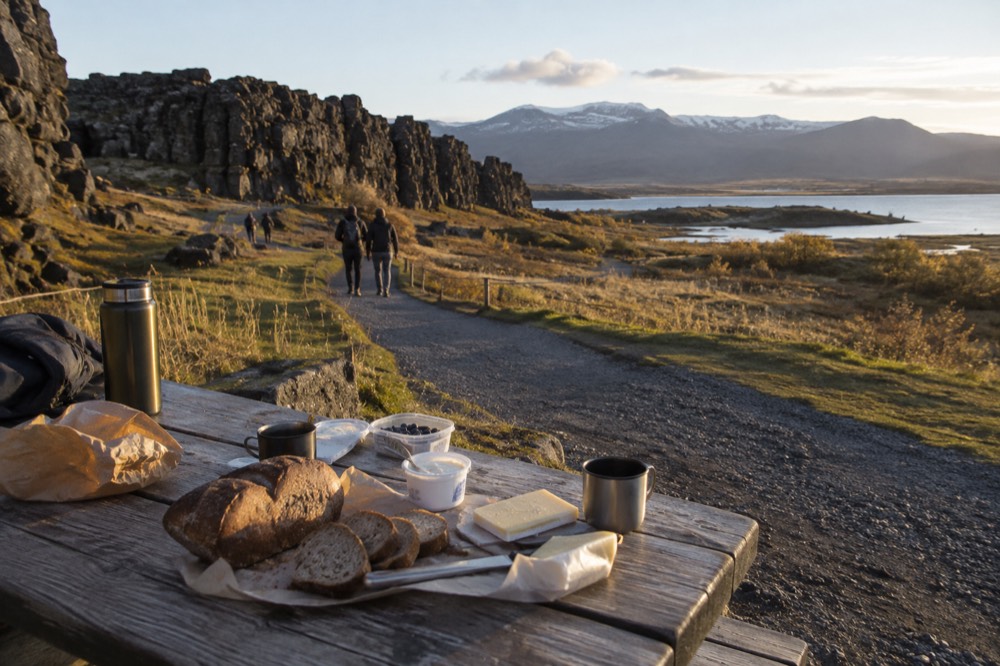
The same preparation covers the Golden Circle, the south coast and any drive you plan. Every town of any size has a Bónus, a Krónan or an independent supermarket, and every petrol station has a hot dog grill. What Iceland does not have, anywhere, is the cheap roadside diner that other countries use to fill the gap between a supermarket and a restaurant. Knowing that in advance is the difference between a food budget that holds and one that quietly doubles.
How Do Free Walking Tours Fit Into A Cheap Food Day?
They fit as the free half of the day's plan. Both English-language free walks in Reykjavik last about two hours and cost nothing up front, so a morning walk followed by a hot dog and an afternoon picnic keeps the entire day's spending under a few thousand krona. The walks are tip-based: budget what you would happily pay for a paid tour, and the walk still costs less than most alternatives.
CityWalk is the long-running, dominant free walk in the city, running daily at 10:30 and 13:30 from Austurvöllur square in front of the Parliament building, about two hours and two kilometres, ending at City Hall. It is listed on freetour.com, rated 9.6 out of 10 across 6,683 freetour.com reviews, English only, with a maximum of six people per booking on the operator's own form. Tips are cash or card, whatever you feel the walk deserved.
The smaller English-language option is Sweet Streets, a GuruWalk listing rated 4.6 out of 5 across 87 GuruWalk reviews, running Monday, Thursday, Friday, Saturday and Sunday at 11:00 in English, meeting at the Harpa building. Two details matter for a food budget: it is cash only for the tip, so bring krona, and it needs a minimum of five people to run, so an off-season visitor should keep a plan B in mind.
A Spanish-language walk also exists, the Rainbow Tours legends walk at Arnarhóll, but for an English-speaking reader the two walks above are the whole field. There is no wider roster to browse in Reykjavik, which is worth knowing before you plan a week around walking tours. The free walking tour guide compares them in detail, and the cheap eats guide does the same for food.
What Does A Realistic Cheap Food Day Cost?
A realistic day built entirely on the cheap staples, a supermarket breakfast, a hot dog lunch, a picnic dinner with one happy-hour beer, lands somewhere between roughly 2,000 and 4,000 ISK per person of food spending. Add a voluntary tip for a free walking tour and the day still costs less than a single sit-down dinner with wine. The plan holds because every item in it is a local habit, not a tourist compromise.
The table below is a planning range, not a promise: prices move, cafés vary and appetites differ. Check the room, or the stand, before you order.
| Meal | Cheap plan | Typical 2026 cost |
|---|---|---|
| Breakfast | Skyr and bread from Bónus | within the 900 to 2,500 ISK picnic range |
| Morning | Free walking tour tip | pay what you feel, 2,000 to 5,000 ISK is a common range |
| Lunch | Hot dog with everything | 600 to 820 ISK |
| Afternoon coffee | Petrol station cup | 300 to 400 ISK |
| Dinner | Harbour picnic from the supermarket | within the 900 to 2,500 ISK range |
| Evening drink | Happy-hour draught beer | 800 to 1,000 ISK |
Two habits keep that table honest. First, the refillable bottle: tap water in Reykjavik is free, safe and better than the bottled version, so drinks are the easiest line to delete entirely. Second, one café meal a day as a treat rather than three as a default, which is the difference between a food budget that survives the trip and one that does not. If you are weighing the whole cost of the trip rather than just the food, the cheapest month to visit Iceland matters more than any menu choice.
Common Questions About The Cheapest Food In Iceland
What Is The Cheapest Food To Eat In Iceland?
The hot dog, a pylsa with everything, at about 600 to 820 ISK, is the cheapest hot food. Supermarket picnic staples from Bónus or Krónan are cheaper still, roughly 900 to 2,500 ISK per person for a full day's worth of basics.
How much is a hot dog in Iceland?
About 600 to 820 ISK with everything on it, at the Bæjarins Beztu Pylsur harbour stand or at any petrol station. Order it "með öllu" for the raw and crispy onions, mustard, ketchup and remoulade.
Is food in Iceland really that expensive?
Sit-down food is: the cheapest café meals are reported at around 3,300 ISK, café coffee at 700 to 900 ISK and draught beer at 1,400 to 1,800 ISK outside happy hour. The cheap end, hot dogs, skyr and supermarket bread, is genuinely affordable, so the outcome depends almost entirely on where you buy.
What is the cheapest way to eat in Reykjavik?
Shop at Bónus or Krónan, eat picnic meals in free public spaces like the Old Harbour quays, Tjörnin pond or the Harpa foyer in bad weather, and keep one hot dog or one café soup as the daily treat. Tap water is free and safe, so drinks need not cost anything.
Do free walking tours help a food budget?
Indirectly, yes. The CityWalk free tour and the Sweet Streets GuruWalk walk both cost nothing up front and last about two hours, filling the middle of a day that would otherwise be spent in cafés. Budget a tip in cash, since Sweet Streets takes cash only.
Are petrol stations a good place to eat in Iceland?
For price, yes. Station hot dogs match the harbour stand's 600 to 820 ISK bracket, and station coffee costs 300 to 400 ISK against a café's 700 to 900. Outside the capital they are often the only cheap option on the road.