Elliðaárdalur Valley: The Free River Walk Inside Reykjavik
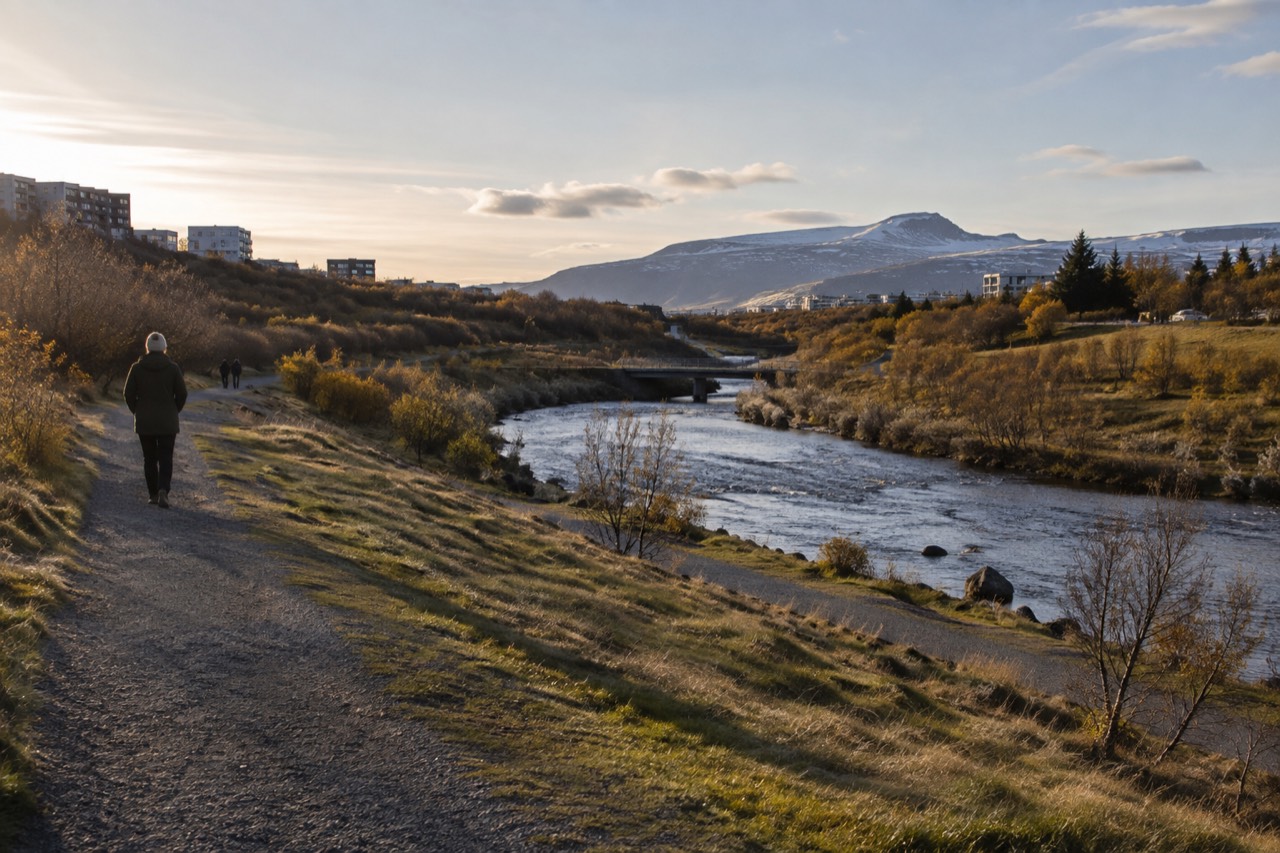
Elliðaárdalur is a river valley, a city park and a nature area rolled into one, and all of it is free to enter, every day of the year.
Short answer
Elliðaárdalur is a free city park in eastern Reykjavik where the Elliðaá river runs through a wooded valley with paved and gravel paths. Entry costs nothing, the park is always open, and it is one of the few places in the capital where you can walk beside a salmon river without leaving the city.
Most visitors to Reykjavik never make it east of Laugavegur, which is a shame, because one of the city's best free experiences sits barely twenty minutes from the centre. Elliðaárdalur is a river valley that the city has simply left alone: the Elliðaá river drops through it in a series of small falls, birch and pine woods line the banks, and a network of paved and gravel paths threads the whole thing together. The city's own page for the valley lists it plainly among the free things to do in Reykjavik, and there is no gate, no ticket desk and no season pass. You walk in.
This guide covers what the valley actually is, how to walk and cycle it, which free viewpoints and parks sit close by, and how the city's free walking tours fit around a valley visit. It also separates the genuinely free nearby attractions from the ones that look free but charge, because Reykjavik has several of those and the difference matters on a budget.
What Is Elliðaárdalur And Where Does It Sit In Reykjavik?
Elliðaárdalur is a protected river valley and public park in eastern Reykjavik, where the Elliðaá river flows toward the sea at Elliðavogur bay. The city manages it as a free public park with paved paths and no stated opening hours or entry conditions, making it one of the few places in the capital where you can stand beside a fast-moving river, with hills on both sides, and still be inside the city limits.
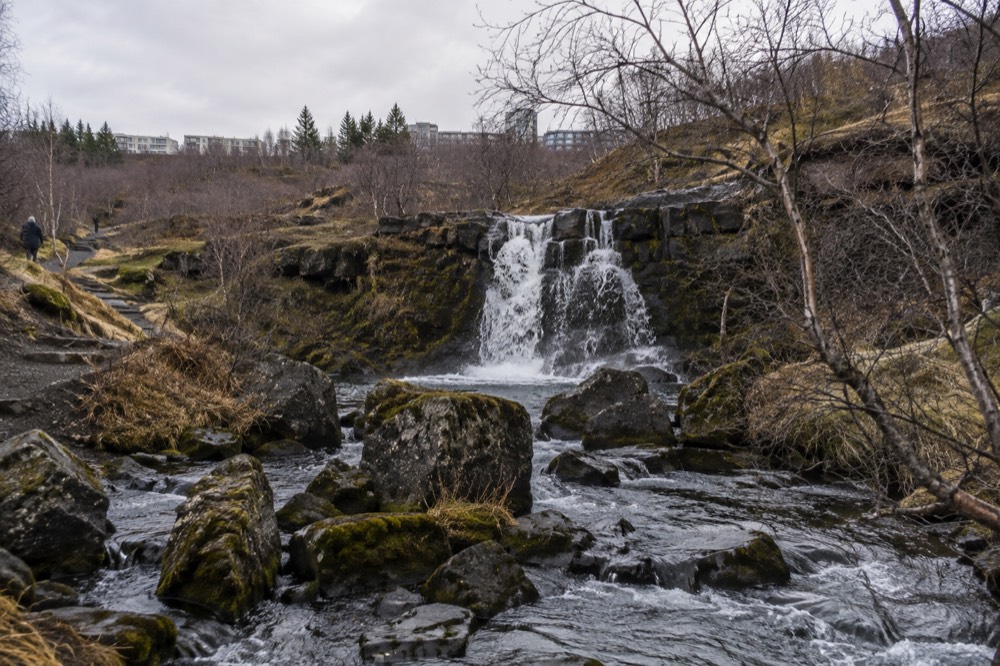
The valley is a glacial relic. The Elliðaá river, one of Iceland's best-known salmon rivers, runs the length of it, and the drop through the valley produces a chain of small waterfalls that are the park's signature sight. The city's official page for the valley, published at reykjavik.is, describes it as one of the free things to do in Reykjavik, and that is the whole basis of this guide: it is a city park, treated like one, open like one.
What surprises most first-time visitors is the scale. This is not a pocket park. The valley runs for kilometres, with woods, open slopes, bridges over the river and side paths climbing toward the Heiðmörk reserve on the city's eastern edge. You can spend an hour on a short loop or most of a day following the river, and either way the cost is the same: nothing.
For orientation, the table below holds the essentials.
| Fact | Detail |
|---|---|
| What it is | River valley and public park in eastern Reykjavik |
| River | Elliðaá, flowing toward Elliðavogur bay |
| Entry cost | Free, no ticket or gate |
| Access | Paved and gravel paths, bridges over the river |
| Typical visit | 1 to 3 hours on foot, longer by bike |
| Nearest paid alternatives | Perlan observation deck, Family Park and Zoo |
How Do You Walk Or Cycle Through The Valley?
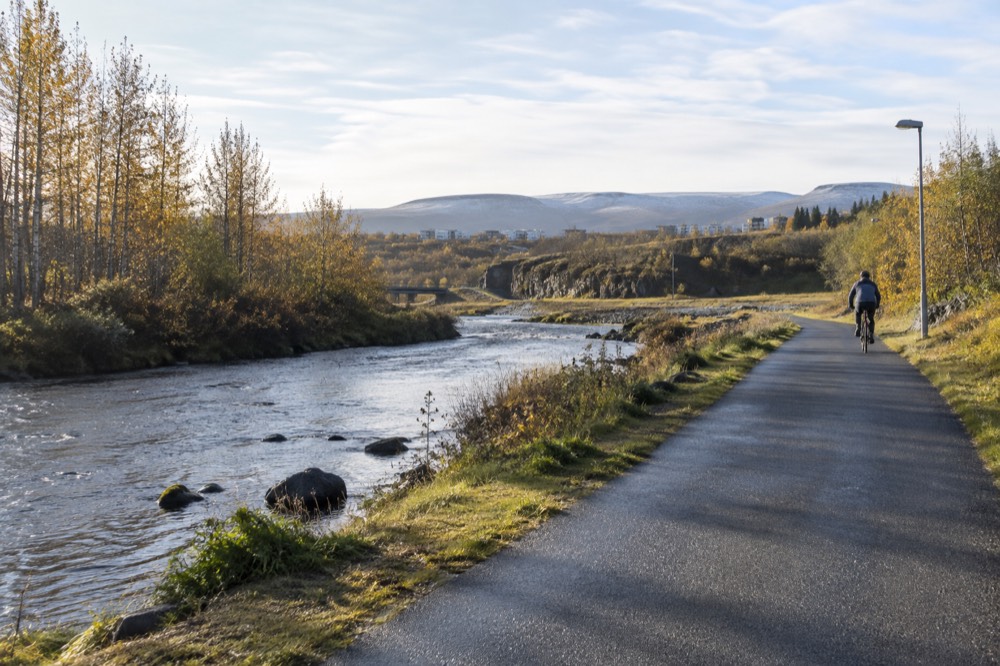
The valley has a spine of paved path along the river with gravel side trails climbing the slopes, so a visitor can choose anything from a flat riverside stroll to a longer loop over the valley's ridges. Walking is the default, but the paved sections are shared-use and cycling the valley is common. There is no route fee, no permit and no rental desk inside the park, so the only cost is getting there.
The simplest walk follows the riverbank. The paved path keeps close to the water for most of the valley's length, crossing back and forth on footbridges, and the small waterfalls sit within sight of the main route, so a short out-and-back still delivers the scenery. Gravel trails branch uphill into the woods on both sides, and these are the ones locals use for running loops. None of it is signed as private and none of it charges.
Cyclists share the paved sections. Reykjavik's bike network reaches the valley from the centre, and the flat riverside path is one of the easiest rides in the city. If you don't have a bike, this site carries car rental and transfer links for the practical side of an Iceland trip, but for the valley itself your feet are the right tool.
A sensible plan is to pair the valley with a city walk on the same day: the orientation walk in the morning, the river valley in the afternoon or evening. The two walks below are the free options that cover the city centre, and both are tip-based with no upfront price.
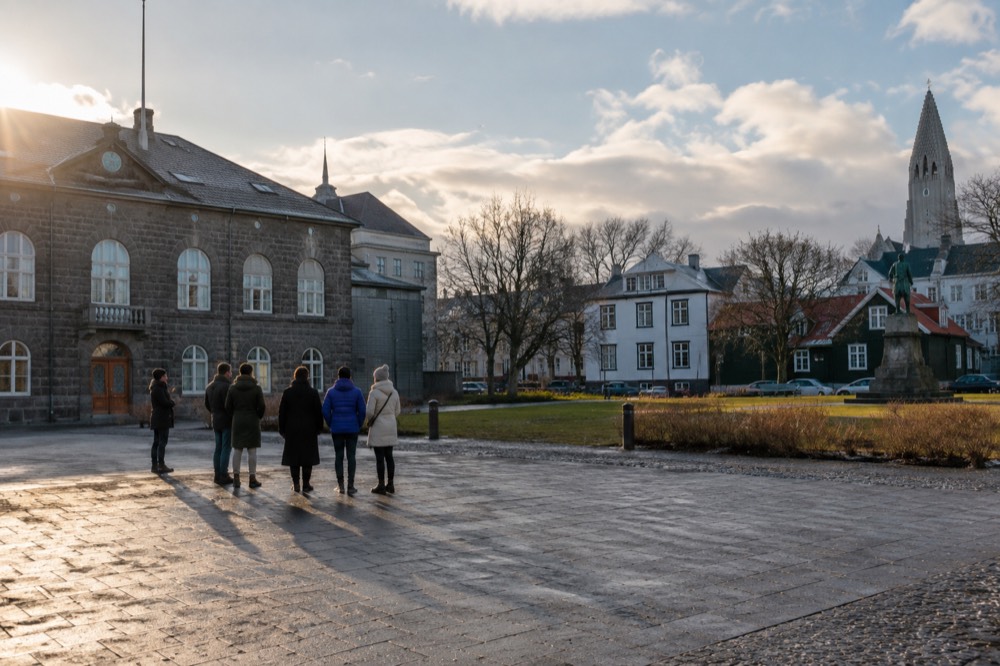
The dominant free walk in Reykjavik is the CityWalk free tour, listed on freetour.com and rated 9.6 out of 10 across 6,683 freetour.com reviews. It runs daily at 10:30 and 13:30, lasts about two hours, and meets in front of the Parliament building on Austurvöllur square. The smaller option is Sweet Streets, a GuruWalk listing rated 4.6 out of 5 across 87 GuruWalk reviews, which meets at the Harpa concert hall and runs Monday, Thursday, Friday, Saturday and Sunday at 11:00 in English. One practical note: Sweet Streets is cash only, so bring notes for the tip, since on a pay-what-you-want walk the tip is the entire payment. One of the free walking routes passes through here: Spanish-Language Legends Walk.
Which Free Walking Tour Pairs Best With A Valley Visit?
For an English-speaking visitor there are exactly two free walking tours in Reykjavik, CityWalk and Sweet Streets, and either one works as the morning half of a day that ends in Elliðaárdalur. CityWalk is the long-running, high-volume option with two daily departures; Sweet Streets is the smaller GuruWalk walk with a single late-morning slot. A third listing exists in Spanish only, which matters if you are travelling with Spanish-speaking companions but not otherwise.
CityWalk is the walk most visitors end up on, and for good reason. It has run since 2014, covers the old centre from Parliament to the pond, and the freetour.com listing rates it 9.6 out of 10 across 6,683 reviews. The tour lasts about two hours, meets at Austurvöllur in front of the Parliament building, and finishes at City Hall, which is a short walk from the bus routes that head east toward the valley. Bookings are capped at six people per booking, so a larger group splits across slots.
Sweet Streets, the GuruWalk alternative, meets inside the Harpa concert hall by the Rammagerdin store and runs Monday, Thursday, Friday, Saturday and Sunday at 11:00 in English. It is rated 4.6 out of 5 across 87 GuruWalk reviews, takes bookings up to ten people, and needs a minimum of five to run, which is worth knowing in the off-season. It is cash only, and cancellation is free, with the guide asking that you cancel rather than no-show.
The Spanish-language option is a newer GuruWalk listing, a legends-and-history walk that meets at the Ingólfur Arnarson statue on Arnarhóll. It has no reviews yet on GuruWalk, where it is labelled a new tour, and it runs Monday to Friday at 17:00 and Saturday and Sunday at 11:00, in Spanish only. The same walk also appears on freetour.com, and it is the same walk, not a second option. If you speak Spanish, it exists; if you don't, the two English walks above are the complete field, and this site will not pretend otherwise.
Can You See The Northern Lights From Elliðaárdalur?
Yes, Elliðaárdalur is one of the places Visit Reykjavik itself names for aurora viewing, because the valley's sky is darker than the city centre and the riverbank gives an open view north. The aurora season runs September to April, and viewing from public parks and viewpoints is free. No spot in or near Reykjavik guarantees a display, but the valley is a legitimate place to wait for one.
The city's tourism body lists Elliðaárdalur among its recommended darker spots near the centre, alongside Klambratún, Öskjuhlíð, Grótta and the Elliðavatn lake area, on its northern lights page. That is not a promise of a sighting, it is a shortlist of places where the light pollution drops off fast enough to make watching worthwhile. In the valley you get open sky over the water and almost no streetlight directly overhead, which is about as good as it gets inside a capital city.
Timing matters more than location. The season runs September to April, and within that window you need a clear sky and some solar activity, which no park can supply. Locals watch the forecast, pick a clear night, and go to whichever dark spot is closest. On a good September or March night, the valley's riverbank is as reasonable a choice as any.
For a fuller treatment of the season, the spots and the forecasts, see the site's northern lights in Reykjavik guide.
What Other Free Hills And Woods Sit Near The Valley?
Öskjuhlíð, the wooded hill beside Perlan, is the closest free equivalent on the west side of the city, with trails to a hilltop viewpoint that costs nothing, unlike the Perlan observation deck itself. Heiðmörk, the large nature reserve on Reykjavik's eastern edge, connects to the same green belt as Elliðaárdalur and is free to enter. Between them, the city has more free woodland than most visitors expect.
Öskjuhlíð is worth understanding precisely because of what sits on top of it. The Perlan building's observation deck is paid, and its own site states that deck access is included with every ticket and cannot be bought separately, so there is no cheap deck-only option. The hill beneath it, though, is free: the woods and trails are open to everyone, and the walk up delivers the same panoramic view of the city that the deck sells. Visit Reykjavik's own views page recommends the free Öskjuhlíð hike in exactly those terms.
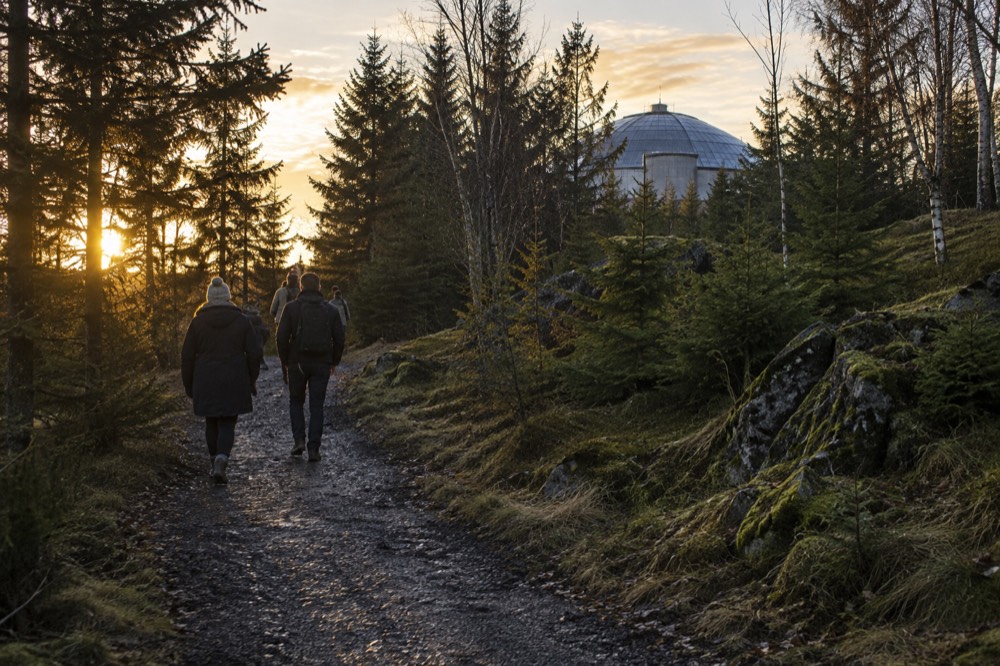
Heiðmörk, east of the valley, is the bigger sibling: a 3,200-hectare nature reserve whose own site says simply that everyone is welcome, with free trails and berry picking in late summer where conditions allow. It is a genuine wilderness-scale option, reachable from the valley's eastern end for a visitor with time and legs. The Öskjuhlíð guide on this site covers the western hill in more detail.
Is The Reykjavik Botanic Garden Free Too?
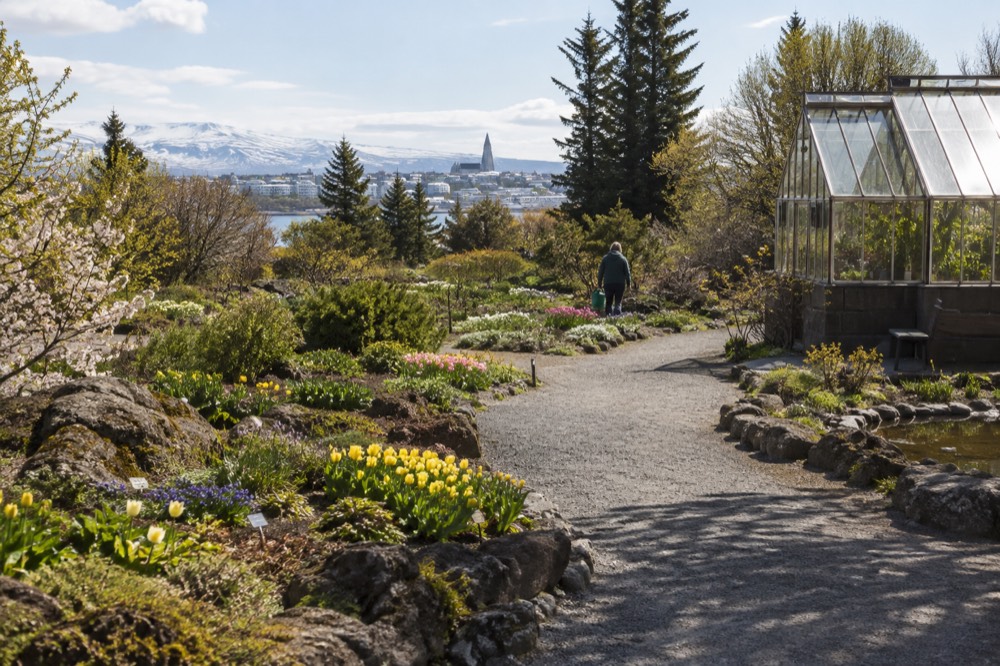
Yes, the Reykjavik Botanic Garden, Grasagarður in Laugardalur, is free and the garden grounds are always open, with the greenhouse keeping separate summer and winter hours. It sits in the same Laugardalur district as the city's main swimming pool and the Family Park and Zoo, which are both paid, so the garden is the free anchor of that neighbourhood.
The garden's own pages state that the garden is always open, and the greenhouse opens 10 to 6 in summer and 10 to 3 in winter. There is no admission and no condition attached. For a visitor combining the day, the botanic garden and Elliðaárdalur are both in the eastern half of the city and pair naturally, one cultivated and one wild, both free. The wider set of guides lives on Free Things To Do In Reykjavik.
The contrast next door is worth flagging honestly. Laugardalslaug, the city's flagship pool, charges 1,500 ISK for an adult under the tariff in force since May 2026, and the Reykjavik Family Park and Zoo charges 2,800 ISK for adults. Neither is expensive by local standards, but neither is free, and this site does not blur that line. The garden is the genuinely free item in the district.
Can You Extend The Valley Day To A Free Hot River?
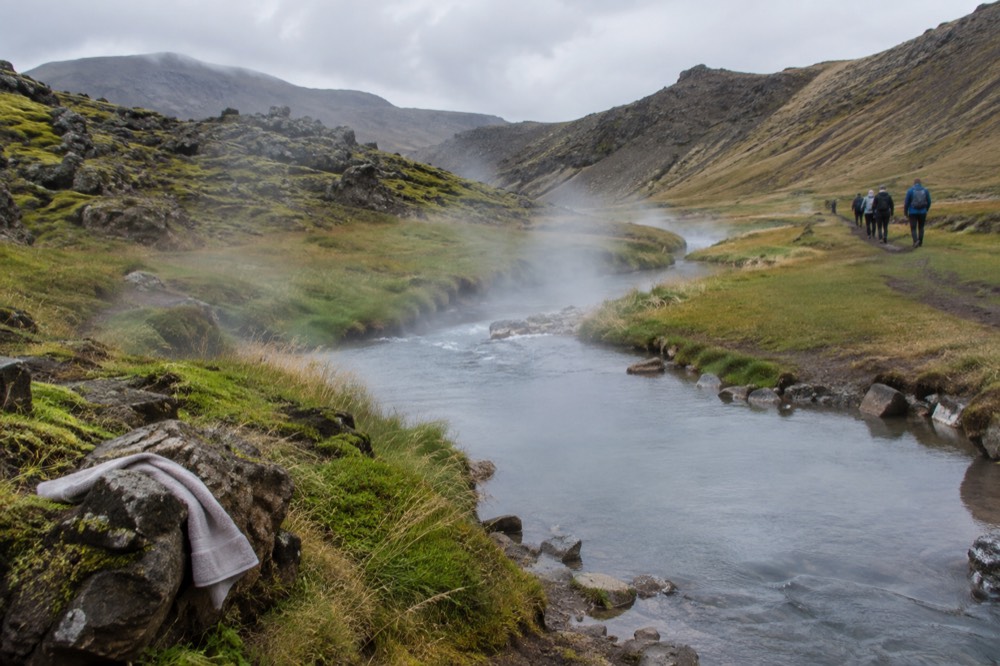
Reykjadalur, the hot river valley near Hveragerði outside Reykjavik, is a free hike and a free bathe, with the only charge being parking at the Árhólmar trailhead, for which no official tariff is published. It is the natural big-sister trip to Elliðaárdalur: one valley inside the city, one valley outside it, both free at the point of entry.
The hike up Reykjadalur follows a steaming river to a stretch where bathers soak in the warm water, and neither the trail nor the bathing costs anything. The catch is parking: Hveragerði's council decided to charge at the Árhólmar car park, but no verified current tariff exists, so this site will not print a number. If you take a public bus or a transfer instead, the question disappears. The site's free hot springs in Iceland guide covers Reykjadalur and the other genuinely free soaking options in full.
What Is Free Near Elliðaárdalur And What Quietly Charges?
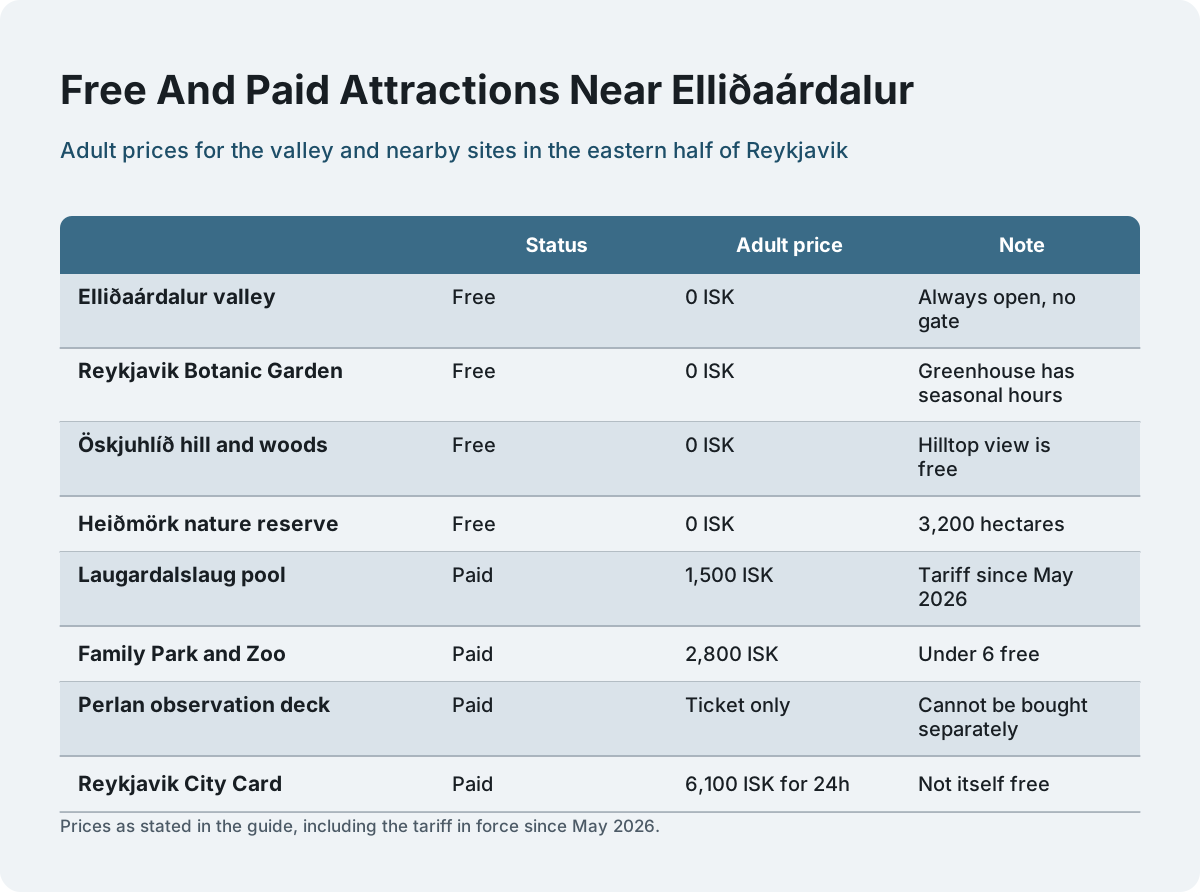
The valley sits in the city's most generous free zone, with the botanic garden, the Elliðavatn area and Heiðmörk all free, while the paid items nearby are the swimming pools at 1,500 ISK, the Family Park and Zoo at 2,800 ISK and the Perlan deck, which cannot be bought separately at all. The Reykjavik City Card is a paid product at 6,100 ISK for 24 hours, so anything it unlocks is not free.
The table below is the planning version of that paragraph, using the verified figures this site's research has confirmed.
| Attraction | Status | Adult price | Note |
|---|---|---|---|
| Elliðaárdalur valley | Free | 0 ISK | Always open, no gate |
| Reykjavik Botanic Garden | Free | 0 ISK | Greenhouse has seasonal hours |
| Öskjuhlíð hill and woods | Free | 0 ISK | Hilltop view is free, Perlan deck is not |
| Heiðmörk nature reserve | Free | 0 ISK | 3,200 hectares, everyone welcome |
| Laugardalslaug pool | Paid | 1,500 ISK | Tariff in force since May 2026 |
| Family Park and Zoo | Paid | 2,800 ISK | Under 6 free |
| Perlan observation deck | Paid | Ticket only | Cannot be bought separately |
| Reykjavik City Card | Paid | 6,100 ISK for 24h | Unlocks paid sites, is not itself free |
One trap deserves its own sentence. Nauthólsvík, the geothermal beach, is widely described online as free in summer, but its official tariff is a flat 1,500 ISK year-round with no seasonal free window, so this site lists it as paid and the site's Nauthólsvík guide explains the detail.
How Do You Get To The Valley And What Does The Bus Cost?
Strætó, the capital-area bus network, reaches the valley's edge, and a single adult fare is 690 ISK paid by contactless card or app, valid 75 minutes including transfers, with children 11 and under free. The fare rose about 3 percent in January 2026 from the previous 670 ISK. Walking from the centre is also possible and takes the green route past the botanic garden.
The fare detail comes from Strætó's own pricing page at straeto.is: 690 ISK single for adults, 345 ISK for ages 12 to 17 and seniors 67 and over, free for 11 and under. A 24-hour pass costs 2,750 ISK, though day passes are being discontinued in the network's current changes, so check the live fare page before relying on one. The 75-minute transfer window means a single fare can cover an outbound leg with one change.
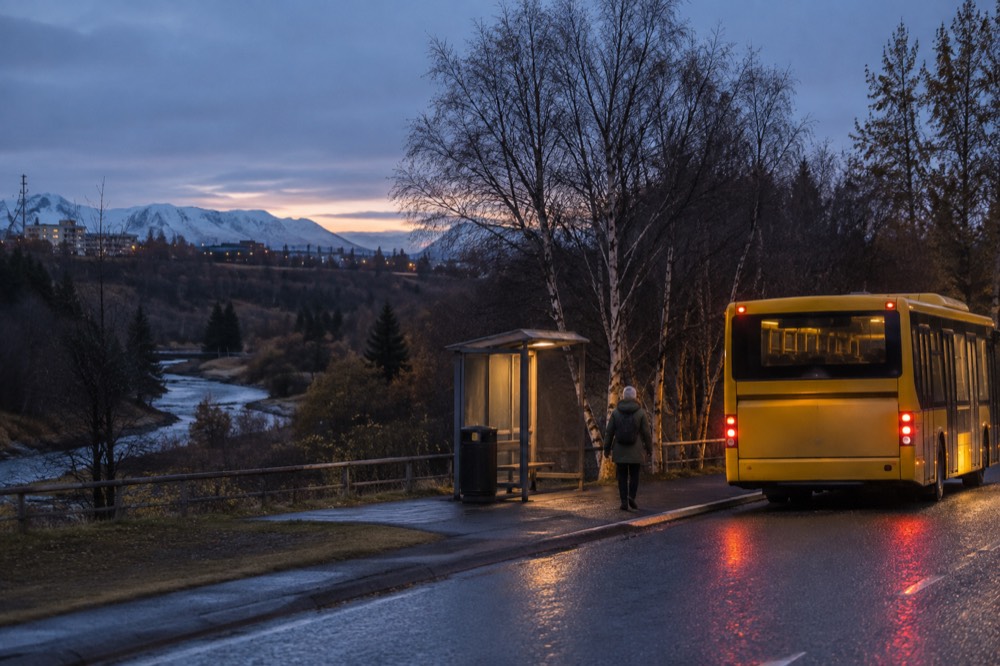
For a visitor basing the day on foot, the walk from the city centre to Laugardalur passes the botanic garden and takes well under an hour at a relaxed pace, and from the garden's eastern edge the valley's paths continue. Many visitors do the whole eastern loop without a bus ticket at all.
When Is The Best Time Of Year For The Valley?
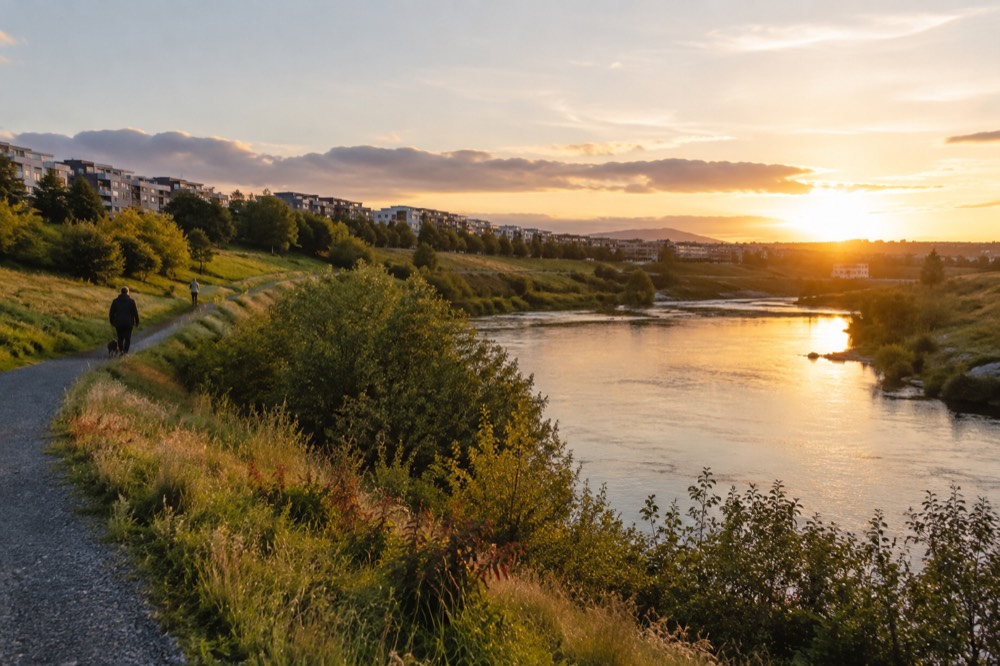
Summer gives the valley its greenest look and near-endless daylight, with over 21 hours of daylight around the June solstice, while September to April adds the aurora possibility from the same riverbank. The valley itself never closes and never charges, so the season changes what you see, not whether you can go.
Summer is the easy answer for scenery, and the daylight figure is worth planning around: on 21 June the sun rises before 3 a.m. and sets just after midnight, giving over 21 hours of light, which means an evening valley walk happens in full daylight. Late summer adds berry season in the adjoining reserves. Winter shortens the days dramatically but keeps the park open, and the river and falls photograph well under snow.
| Season | Daylight and conditions | What the valley offers |
|---|---|---|
| Summer, May to July | Longest days, over 21 hours of light at solstice | Green woods, river at full flow, evening walks in daylight |
| Late summer, August to September | Berries in adjoining reserves | Berry picking where permitted, mild weather |
| Autumn and winter, October to April | Short days, dark skies | Northern lights chances from the riverbank |
| Deep winter, December | Very short days | Snow scenery, waterfalls partly frozen |
| Spring, May | Rapidly lengthening days | Nesting birds, river rising with meltwater |
The one seasonal rule to remember elsewhere in the city: Grótta, the lighthouse area on the Seltjarnarnes peninsula, bans all access from 1 May to 15 July for arctic tern nesting, and its causeway floods at high tide. It is free, but conditionally, and the Grótta lighthouse guide covers the tide and closure detail.
How Does Elliðaárdalur Fit Into A Wider Free Reykjavik Itinerary?
A realistic free day pairs a morning free walking tour, the CityWalk or Sweet Streets option, with an afternoon in the valley and an evening aurora watch from the riverbank in season. The valley is the city's best free half-day of nature, the old centre is its best free two hours of history, and the two connect by bus or on foot. Everything in that sentence costs nothing at the point of entry.
For the morning, the choice remains the two English walks. CityWalk, rated 9.6 out of 10 across 6,683 freetour.com reviews, departs daily at 10:30 and 13:30 from Austurvöllur. Sweet Streets, rated 4.6 out of 5 across 87 GuruWalk reviews, departs at 11:00 from Harpa on Monday, Thursday, Friday, Saturday and Sunday, cash tips only. Pick one, tip what the walk was worth to you, and keep the afternoon free.
For visitors travelling with Spanish speakers, the legends walk from Arnarhóll, the new GuruWalk listing with no reviews yet, runs Monday to Friday at 17:00 and Saturday and Sunday at 11:00, and accepts cards, unlike Sweet Streets. It is the same walk whether you find it on GuruWalk or on freetour.com.
For the rest of the city, this site's free things to do in Reykjavik guide is the full inventory, and the Reykjavik attractions map puts the valley in context with the harbour, the pond and the church. Between those pages and this one, a visitor can assemble several fully free days.
If you are planning around the calendar rather than the map, the city's free festival days are worth knowing: Culture Night, whose next edition falls on Saturday 21 August 2027, Museum Night inside the Winter Lights Festival in early February, the National Day celebrations on 17 June, and the New Year's Eve bonfires. All are genuinely free, and the winter guide and summer guide match them to the season you land in.
The valley is the quiet constant under all of it. Whatever the month, the Elliðaá is running, the paths are open, and nobody at the gate will ever ask you for a ticket, because there is no gate and there is no ticket.
Common Questions About Elliðaárdalur Valley
Is Elliðaárdalur free to enter?
Yes. The valley is a public city park with no gate, no ticket and no entry fee, and the city's own page lists it among the free things to do in Reykjavik. The only costs are getting there.
How long does a walk in Elliðaárdalur take?
A short riverside out-and-back takes about an hour, and a longer loop over the valley's side trails takes two to three hours. Cyclists cover the paved spine faster, and the valley connects toward Heiðmörk for anyone wanting a full day.
Can you see the northern lights from Elliðaárdalur?
Yes, it is one of the darker spots Visit Reykjavik names for aurora viewing inside the city, during a season that runs September to April. A sighting still needs a clear sky and solar activity, which no location can guarantee.
How do you get to Elliðaárdalur by bus?
Strætó's capital-area buses reach the valley's edge, and a single adult fare is 690 ISK by contactless card or app, valid 75 minutes with transfers. Children 11 and under ride free.
Is Elliðaárdalur good for cycling?
Yes. The paved riverside path is shared-use and is one of the easiest rides in the city, with gravel side trails for anyone wanting more climbing. There is no bike rental inside the park itself.
What else is free near the valley?
The Reykjavik Botanic Garden is free and always open, Öskjuhlíð's woods and hilltop view are free, and Heiðmörk nature reserve is free to enter. The swimming pools, the zoo and the Perlan deck nearby all charge.