Things To Do In Reykjavik: The Free-First Guide To The City
Reykjavik rewards walkers. Almost everything worth seeing in the city centre is either free or pay-what-you-want, and the best first move is a tip-based walk with a local guide.
Short answer
The best things to do in Reykjavik cost little or nothing: start with a free walking tour (twice daily, 10:30 and 13:30), walk Rainbow Street and the Old Harbour, visit Harpa's free foyer, and hike Elliðaárdalur or Öskjuhlíð. Pools are cheap at 1,500 ISK, not free; the City Card is paid.
Reykjavik is small, walkable and dense with things to do, and a surprising share of them cost nothing at all. The city centre fits inside a rectangle roughly two kilometres on its long side, the sea is never more than a few blocks away, and the classic first-day move, a tip-based walking tour with a local guide, has no fixed price at all. This guide walks through the whole menu in a free-first order: the walks, the parks and coastline, the viewpoints, the seasonal events, the cheap transport, and the day trips that are free until you park or board a ferry. It also flags the traps, because a few things commonly described as free in Reykjavik, the geothermal beach among them, are not.
What Are The Best Things To Do In Reykjavik?
The best things to do in Reykjavik cluster around three free cores: the city-centre walk between Parliament, Rainbow Street and Tjörnin pond, the waterfront from Harpa to the Old Harbour, and the green escapes of Elliðaárdalur, Öskjuhlíð and the Seltjarnarnes coast. Layered on top are two pay-what-you-want walking tours, cheap thermal pools at 1,500 ISK, and seasonal free events like Culture Night and the New Year bonfires. One of the free walking routes passes through here: Morning Walk From Harpa, Cash Tips.
That list is not a shrunk-down version of a bigger city's list. Reykjavik's attractions are genuinely this compact, which is why the free-first approach works so well here. A visitor staying three or four days can cover the centre on foot in two of them, spend a third on Esja or Viðey, and still have time for a pool and a hot dog. The table below is the honest short version, with the real cost of each item stated plainly.
| Thing to do | Cost | Where | Notes |
|---|---|---|---|
| Free walking tour | Pay what you want | Austurvöllur or Harpa | Two English options, one Spanish |
| Rainbow Street (Skólavörðustígur) | Free | City centre | Public painted street |
| Harpa foyer and sound installation | Free | Waterfront | Free admission during opening hours |
| Tjörnin pond and Hljómskálagarður | Free | City centre | Open park, good birdwatching |
| Old Harbour and Grandi waterfront | Free | West of centre | Includes the Þúfa viewpoint mound |
| Elliðaárdalur valley trails | Free | East of centre | Paved paths, salmon river |
| Öskjuhlíð woods and viewpoint | Free | South-east of centre | Free alternative to the Perlan deck |
| Grótta lighthouse area | Free | Seltjarnarnes | Closed 1 May to 15 July for nesting terns |
| Public swimming pool | 1,500 ISK adult | Citywide | Cheap, not free |
| Nauthólsvík geothermal beach | 1,500 ISK adult | Nauthólsvík | Paid year-round, a common trap |
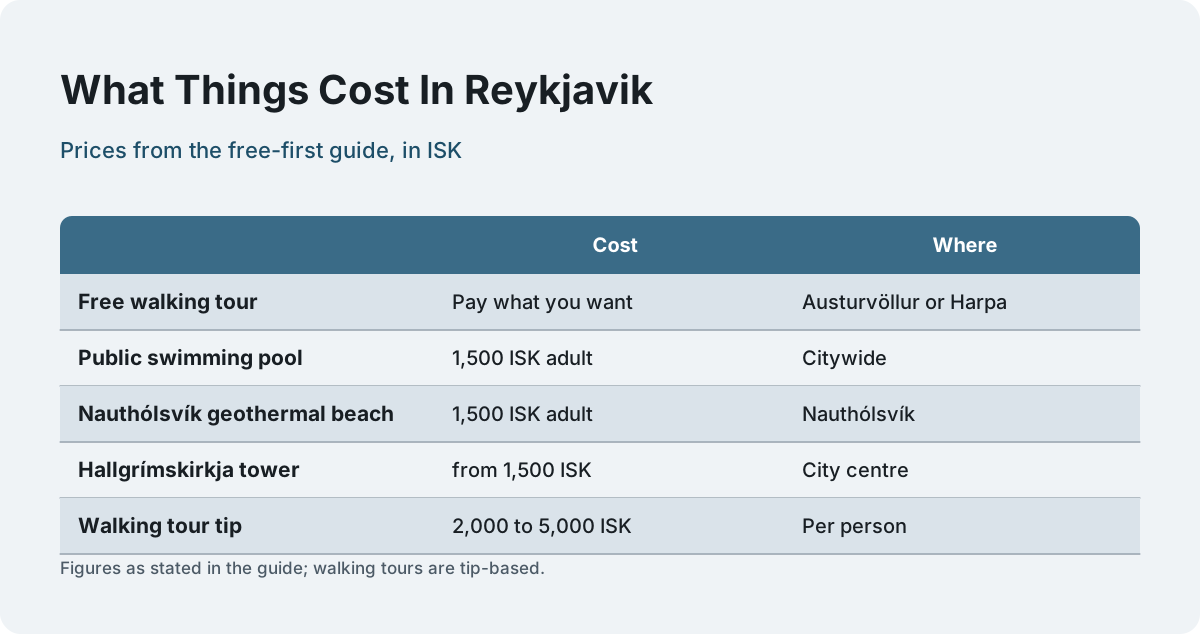
The one structural fact worth internalising early: the paid attractions are mostly indoors and mostly small museums, while the free attractions are the outdoor ones, and outdoors is where Reykjavik is at its best. The city's own tourism office maintains a free-things page that lines up with this pattern, and it is worth a look for events during your dates (Visit Reykjavik's free things to do list). If you want the full free-walk picture first, the dedicated Reykjavik free walking tour guide breaks down both English walks in detail.
Should You Start Your Trip With A Free Walking Tour?
Yes, and in Reykjavik the case is unusually strong: a two-hour walk covers most of the central sights, costs nothing up front, and there are exactly two English options. CityWalk runs daily at 10:30 and 13:30 from Austurvöllur square, rated 9.6 out of 10 across 6,683 freetour.com reviews. Sweet Streets runs mornings from Harpa on five days a week, rated 4.6 out of 5 across 87 GuruWalk reviews.
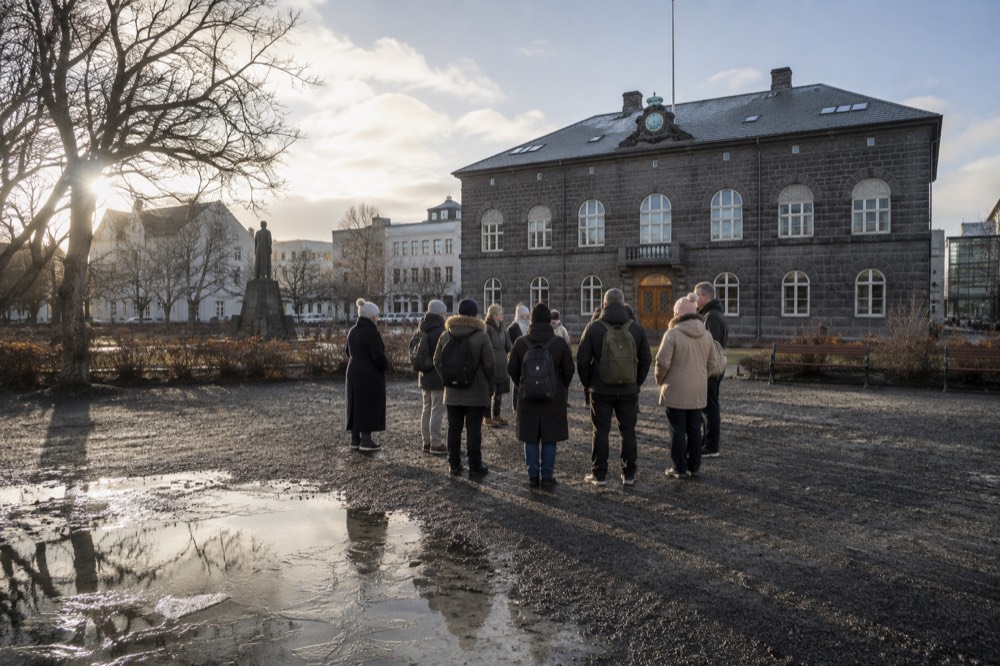
CityWalk is the long-running, dominant free walk in this city, family-run since 2014, and its route is the classic one: Parliament, Laugavegur, Tjörnin, the old timber quarter of Grjótaþorp, Rainbow Street and City Hall, about two kilometres in two hours. It is listed on freetour.com, meets in front of the Parliament building by the Jón Sigurðsson statue, and the price is a donation at the end, in cash or by card. Bookings are capped at six people per booking, which keeps the groups sane.
The second English option is smaller and newer. Sweet Streets of Reykjavik, listed on GuruWalk, runs Monday, Thursday, Friday, Saturday and Sunday at 11:00 in English, meeting inside the Harpa concert hall by the Rammagerdin store. It is rated 4.6 out of 5 across 87 GuruWalk reviews, takes bookings up to 10 people, and needs a minimum of 5 to run, a real caveat for anyone visiting in the quiet season. One practical point matters more than any of that: Sweet Streets is cash only. On a pay-what-you-want walk the tip is the entire payment, so a visitor who arrives without notes cannot pay the guide at all.
There is also a third walk, but it is Spanish only, so for most readers reading this page in English it is not a third option. Rainbow Tours runs a two-hour legends walk in Spanish, Monday to Friday at 17:00 and weekends at 11:00, meeting at the Ingólfur Arnarson statue on Arnarhóll. Its GuruWalk listing was created in late August 2026 and has no reviews yet. The comparison below keeps the scales honest, because the two ratings are on different scales and should never be read side by side as plain numbers.
| Walk | Platform | Rating and scale | Language | Schedule |
|---|---|---|---|---|
| CityWalk free tour | freetour.com | 9.6 out of 10, 6,683 reviews | English | Daily, 10:30 and 13:30 |
| Sweet Streets | GuruWalk | 4.6 out of 5, 87 reviews | English and Spanish | Mon, Thu, Fri, Sat, Sun at 11:00 |
| Rainbow Tours legends walk | GuruWalk and freetour.com | No reviews yet | Spanish only | Mon-Fri 17:00, Sat-Sun 11:00 |
One warning about the wider internet: several aggregators list free Reykjavik tours that are not real options, including one old brand whose domain now serves something entirely unrelated to tourism. The two walks above are the real English field, and this site links to both. If you are weighing whether the tip model is genuinely free, the short answer is yes, with the tip expected in the 2,000 to 5,000 ISK range per person, and the longer answer is in the free walking tour guide linked above.
Where Do Locals Go To Escape The City Centre?
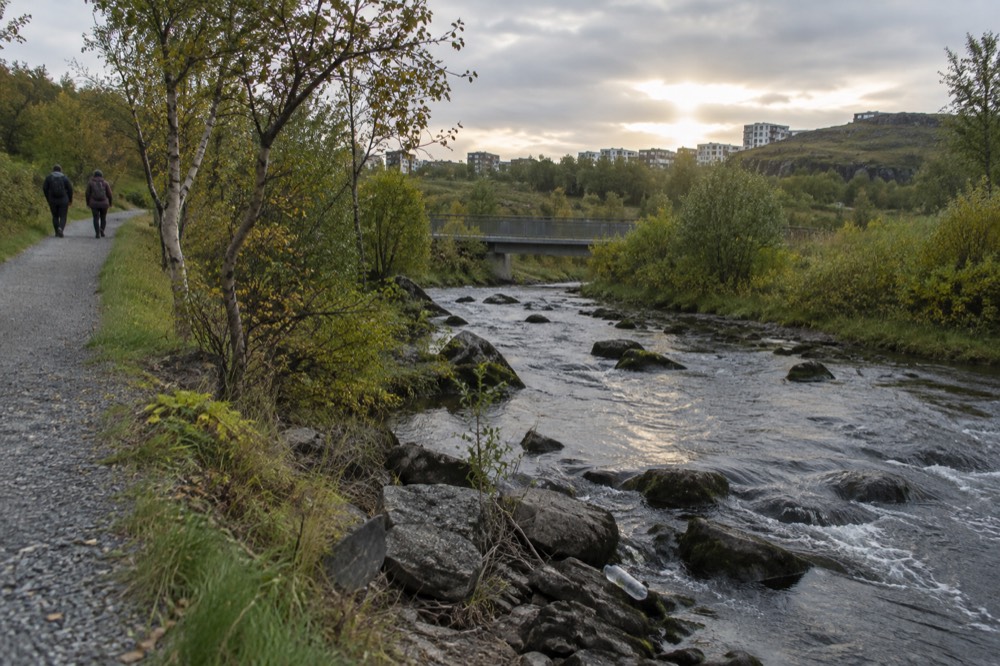
Elliðaárdalur valley is the answer most Reykjavik residents give: a protected green valley inside the city limits with paved riverside paths, a salmon river, and free access at every entrance. It sits about fifteen minutes by bus east of the centre, feels like open countryside, and costs nothing to enter at any time of year.
The valley is one of the city's own listed free things to do, and it earns the billing. The Elliðaár river runs through it, salmon climb it in season, and the path network connects residential streets on both sides so you can walk as little or as long as you like. In late summer there are berries in the scrubby areas. It is a genuine half-day destination rather than a quick stop, so pair it with something nearby rather than dragging it into a city-centre day. The full trail map and seasonal notes are in the Elliðaárdalur valley guide.
The valley also makes a good aurora spot in winter, because it is darker than the parks in the centre and the city's own guidance names it among the places to try when the sky is clear and active. If your trip lands in the September-to-April window, an evening walk here doubles as a northern-lights attempt at no extra cost.
Is The Grótta Lighthouse Walk Worth The Trip Out?
Yes, and it is free, but with two conditions you must respect: the causeway to the lighthouse island floods at high tide, and the whole area is closed to visitors from 1 May to 15 July to protect nesting Arctic terns. Outside those limits it is the best coastal walk within reach of the city, about forty minutes on foot or a short bus ride from the centre.
Grótta sits at the tip of the Seltjarnarnes peninsula, the finger of land west of the centre, and it is a nature reserve rather than a developed attraction. The lighthouse itself is the landmark, the horizon is open ocean, and on a clear evening it is one of the most reliable northern-lights viewpoints near the city. The reserve was expanded in July 2026, which reinforces the protections rather than changing anything for a casual visitor. Check the tide before you walk the causeway, and treat the summer closure as absolute, the terns are famously aggressive defenders of their nests and the closure protects both parties. Tide tables, bus numbers and the closure dates are collected in the Grótta lighthouse guide.
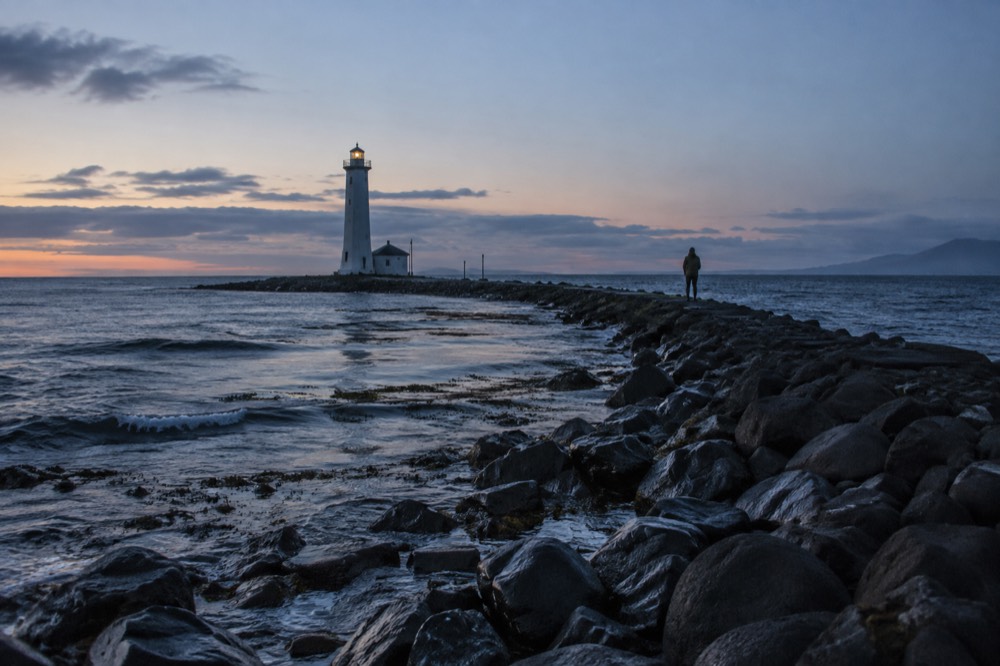
The peninsula has a second free stop that almost nobody plans for and everyone who finds it remembers: the Kvika foot bath, a stone pool of warm geothermal water on the coastal path near Grótta. There is no entrance fee, it is open year-round, and it is the closest thing Reykjavik has to a free hot spring within the capital area. It is small, so think of it as a ten-minute soak with a sea view rather than a spa visit, and bring a towel if you plan to use it.
What Is The Free Alternative To The Perlan Observation Deck?
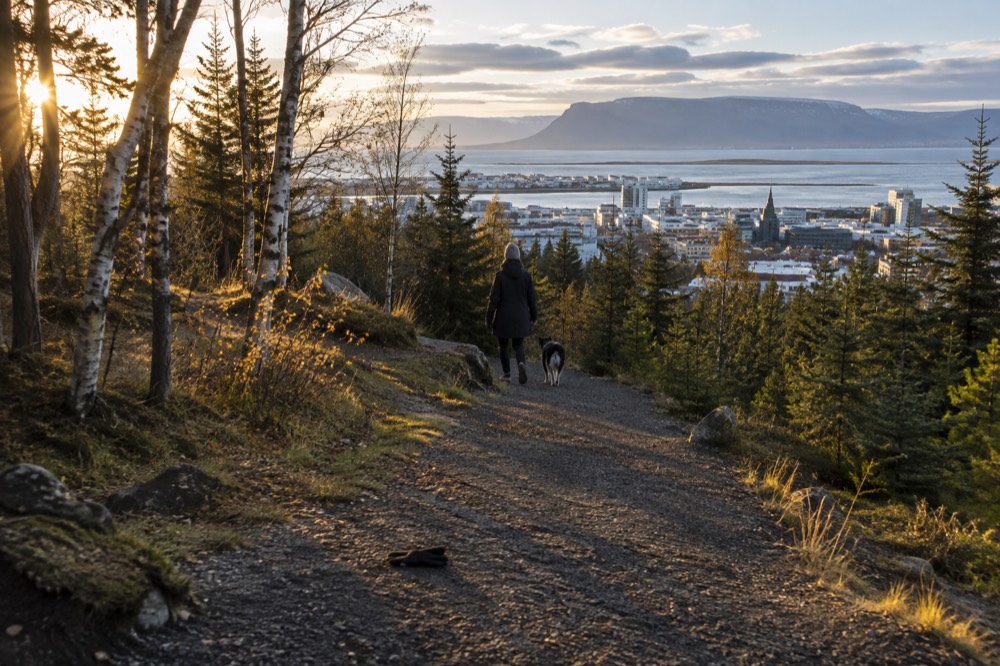
Öskjuhlíð hill is the free alternative, and it is not a compromise: the wooded hillside below Perlan has free trails all the way up to the same height, with the same panoramic view over the city and the sea. Perlan's deck is included in every Perlan ticket and cannot be bought separately, so if you only want the view, the hill is the honest choice.
The woods themselves are worth the walk, a rare cluster of mature trees in a famously treeless country, with paths looping up from the coast road and the hot-water tanks that hold Perlan up sitting at the top. You walk the last stretch on the same ground the paid visitors stand on. The view takes in the city, the bay, Esja across the water and, on clear winter nights, another of the city's named aurora viewpoints. The Perlan museum inside is a paid attraction and a good one, but the deck is the part people assume they can buy alone, and they cannot. Trail descriptions and the aurora angles are in the Öskjuhlíð hill guide.
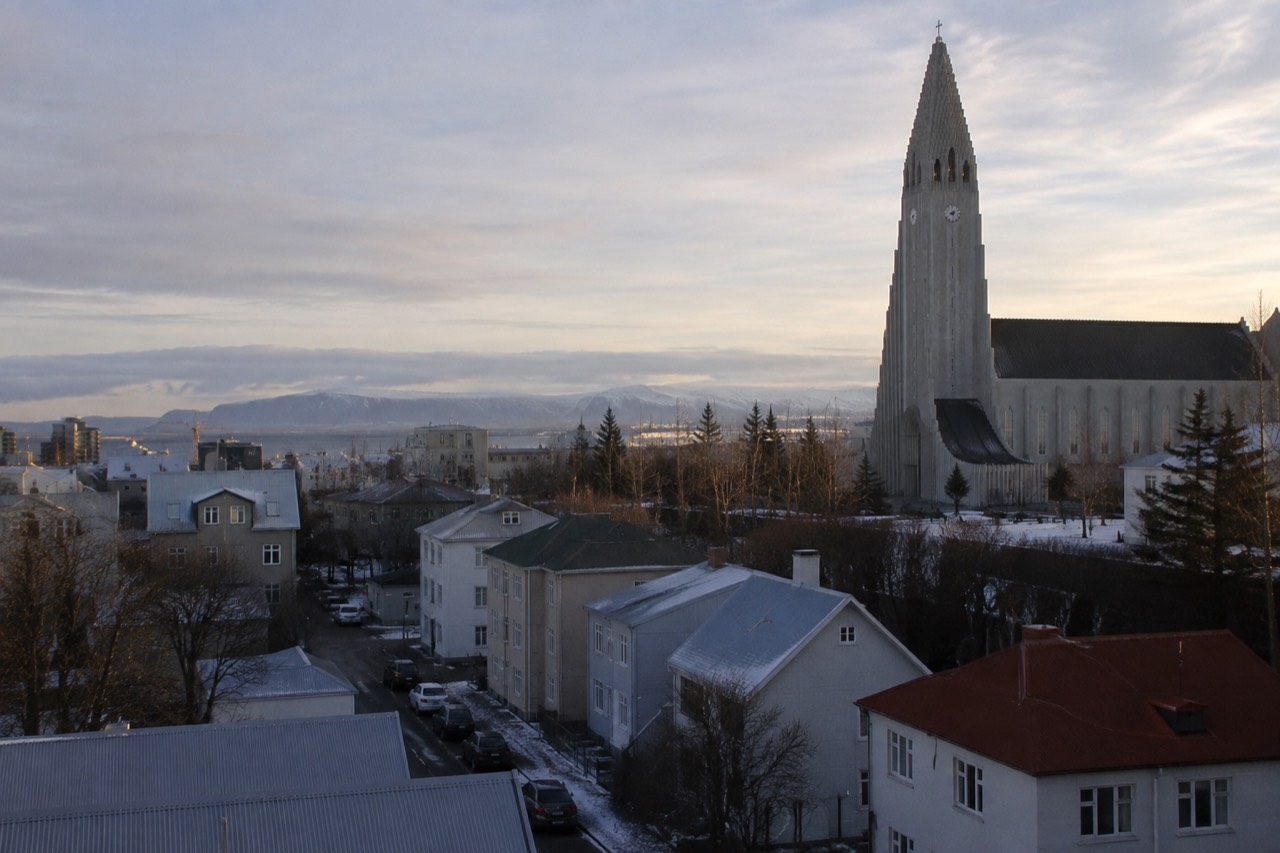
The same hillside logic applies elsewhere in the city. Hallgrímskirkja's tower is paid, from 1,500 ISK for adults, but the church nave is free to enter and the view from the church's own steps down Skólavörðustígur is one of the most photographed in Iceland without costing anything. The dedicated Hallgrímskirkja guide covers the tower pricing and the free parts in full.
What Should You Not Miss In The City Centre Itself?
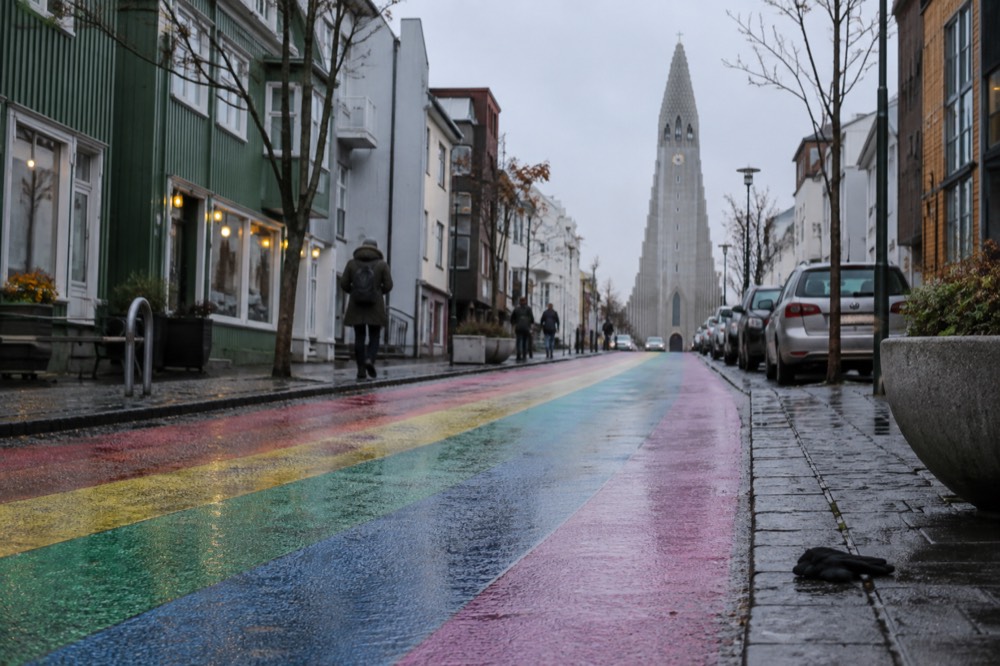
Rainbow Street is the centrepiece: Skólavörðustígur, the hill from the city centre up to Hallgrímskirkja, painted in a permanent rainbow, free to walk and photograph at any hour. Around it sit Harpa's free foyer, Tjörnin pond, Austurvöllur square and the Old Harbour, all within a fifteen-minute walk of each other and all free. A free walk covers this ground: Spanish-Language Legends Walk.
The painted street began as a Pride initiative and became permanent, and it is the single most recognisable stretch of pavement in the country. Walking up it puts you at Hallgrímskirkja's door; walking down delivers you to the centre with the church behind you, which is exactly the framing every photo from Reykjavik seems to use. It is a public street, so there is nothing to enter and nothing to pay, and the shops and cafés along it are optional.
Harpa deserves more than a photo stop from outside. Admission to the concert hall's interior, including the Hljóðhimnar sound installation on the ground floor, is free during opening hours, and the glass facade at golden hour is the best free interior view in the city. From Harpa the waterfront path runs west past the Sun Voyager sculpture to the Old Harbour and Grandi, where the quays, the Þúfa mound and the fish-and-chip sheds make an easy free hour. Tjörnin pond and its park sit one block inland from City Hall, and the swans and ducks there are a fixture of every Reykjavik visit.
When Is The Best Time Of Year For Free Things In Reykjavik?
For free events, aim for the festival dates: Culture Night in August, Museum Night in early February, National Day on 17 June, and the New Year bonfires on New Year's Eve, all genuinely free and citywide. For northern lights, the September-to-April window; for near-24-hour daylight, June, when the solstice gives over twenty-one hours of light.
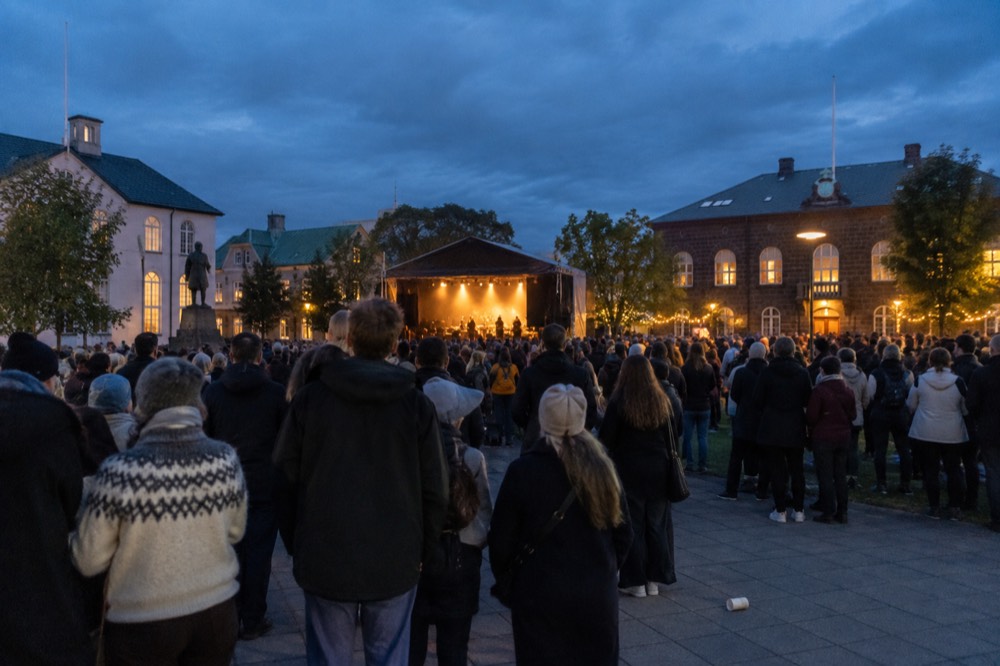
The free calendar is one of the city's underrated strengths. Culture Night, Menningarnótt, fills the centre with free museum entry, street performance and a fireworks finale, and even the buses run free for an hour afterwards. Museum Night, part of the Winter Lights Festival in early February, opens participating museums free and late. On 17 June the National Day programme runs from a morning ceremony at Austurvöllur through an afternoon parade and park concerts, with no ticket anywhere. On New Year's Eve the city lights about ten community bonfires, and the tradition is free to attend, with personal fireworks banned at the sites. The city publishes the details each year (Reykjavik city's Culture Night information page).
The aurora season is the other big timing decision. The city's own guidance gives September to April, and the named free viewing spots include Klambratún, Öskjuhlíð, Grótta, Elliðaárdalur and the Seltjarnarnes coast, all covered in the sections above. You need darkness, a clear sky and some solar activity, and you need to leave the brightest blocks of the centre. The full spot-by-spot breakdown, plus what the season window really means in practice, is in the northern lights in Reykjavik guide.
For Spanish-speaking visitors, the timing question has a second layer: the Rainbow Tours legends walk is the only Spanish-language free walk in the city, running Monday to Friday at 17:00 and weekends at 11:00 from Arnarhóll, accepting cards and capping groups at 25 with a minimum of 5 to run. Cancellation is free on both GuruWalk walks, with no published deadline or fee, though the guides ask that you cancel rather than simply not showing up.
How Do You Get Around Reykjavik Cheaply?
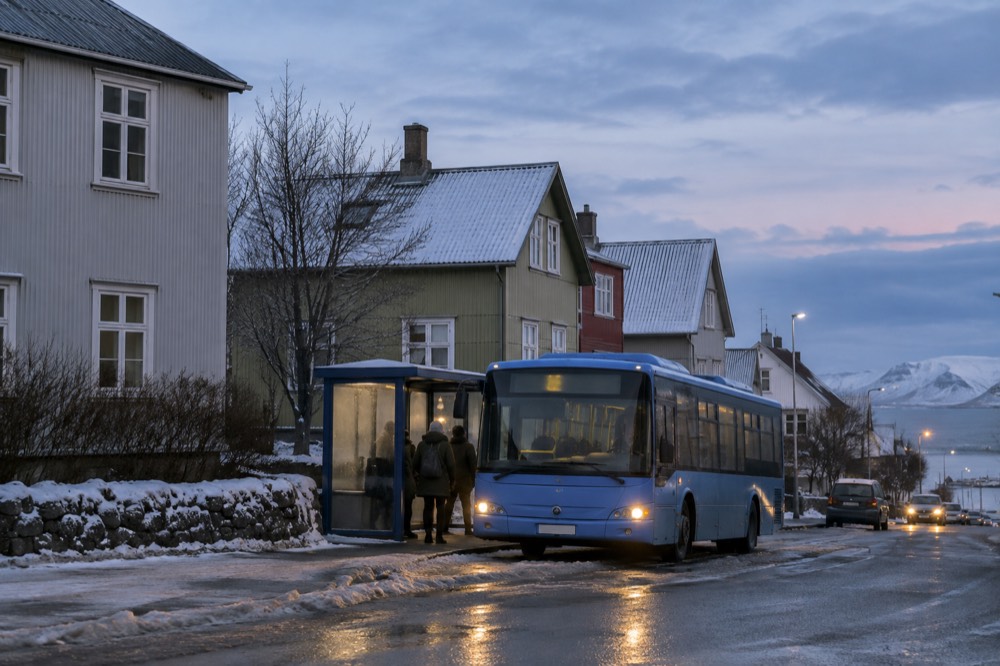
Strætó, the capital-area bus network, is the cheap answer: a single adult fare is 690 ISK with contactless payment or the app, valid 75 minutes including transfers, and children 11 and under ride free. The centre itself is walkable end to end in under half an hour, so most visitors only need a bus for Elliðaárdalur, Seltjarnarnes or Esja.
The fare rose about 3 percent in January 2026 from the prior 670 ISK single, and day passes were discontinued in the same change, so the single fare with its 75-minute transfer window is now the default way to pay. Fares and rules are on the operator's own pricing page (Strætó pricing). If you are driving instead, note that the centre's P1 zone charges 660 ISK an hour with a three-hour maximum, and that parking is free on listed public holidays and outside paid hours, details worth checking in the free parking in Reykjavik guide.
| Strætó fare | Price | Notes |
|---|---|---|
| Adult single | 690 ISK | Contactless or app, 75 minutes with transfers |
| Youth 12-17 and seniors 67+ | 345 ISK | Half fare |
| Children 11 and under | Free | No ticket needed |
| Disabled riders | 207 ISK | Reduced fare |
| Night bus | 690 ISK | Same as day single |
For the airport run, the Flybus from Keflavík to the BSÍ terminal is 3,999 ISK one way for an adult, with children 1 to 5 free, and Strætó's route 55 is the cheaper public alternative at roughly 2,400 ISK. Neither is free, but both are a fraction of a taxi, and the BSÍ terminal is a short walk from the pond.
Which Day Trips From Reykjavik Are Actually Free?
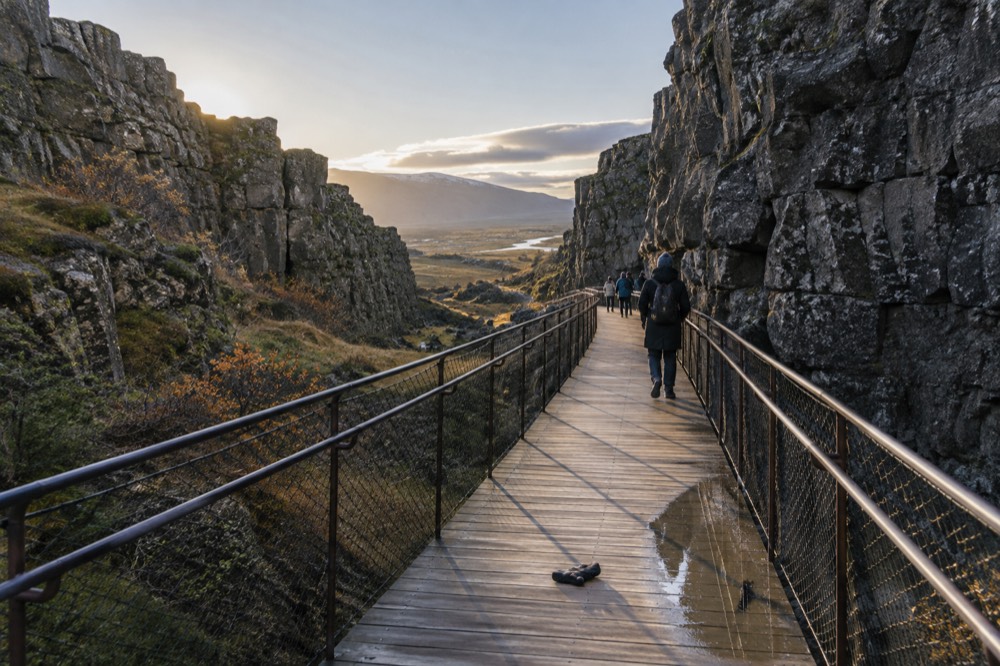
Þingvellir National Park is free to enter, with parking at 1,000 ISK per small car as the only compulsory cost. Viðey island has no admission but the Elding ferry is 2,500 ISK for an adult. Mount Esja's trails and the Heiðmörk reserve are genuinely free on foot, and the Reykjadalur hot river hike is free apart from charged parking at the trailhead.
The pattern to notice is that "free day trip" in Iceland almost always means free on foot, with a transport cost attached. Þingvellir is the classic: no gate, no entry fee, one of the country's most important historical sites and its most dramatic geology, and a day parking ticket that covers all the car parks. Viðey is the reverse case, a short ferry ride to an island with no admission charge, where the boat is the whole cost. Esja, the mountain across the bay, has free trails at several difficulty levels and is reachable by bus, though parking there is an open question no official source currently answers, so arrive by bus if you want certainty. Heiðmörk, the 3,200-hectare reserve on the city's edge, is free and openly welcomes everyone.
| Day trip | Entry | Compulsory extra cost | Verdict |
|---|---|---|---|
| Þingvellir National Park | Free | 1,000 ISK car parking | Free on foot or by bus |
| Viðey island | Free | 2,500 ISK adult ferry | Ferry is the cost |
| Mount Esja trails | Free | Bus fare; parking unverified | Free if you arrive by bus |
| Heiðmörk reserve | Free | None stated | Genuinely free |
| Reykjadalur hot river | Free | Charged trailhead parking, no published tariff | Free to hike and bathe |
The wider Icelandic free-springs and free-camping picture, including how Reykjadalur compares to the truly free roadside pools, is worth a look if your trip extends beyond the capital, and the budget guides on this site cover it in depth.
How Do You Plan A Free-First Day In Reykjavik?
Start at Austurvöllur at 10:30 on the CityWalk free tour, which hands you the city's history and geography in two hours and finishes at City Hall by the pond. Spend the afternoon on Rainbow Street, Hallgrímskirkja's nave and the waterfront to Grandi, and the evening, in winter, at Öskjuhlíð or Grótta for the aurora attempt. Total fixed cost: zero, plus whatever you choose to tip.
The reason the walk goes first is practical, not just promotional. Reykjavik's centre is compact but its story is not obvious from the street, and a guide who studied the history locally will save you an afternoon of plaque-reading and tell you which buildings matter. CityWalk's booking form caps each booking at six people, opens roughly five days ahead, and shows both daily slots, 10:30 and 13:30, across the week, so the morning slot leaves you the whole afternoon. The tour passes Parliament, Laugavegur, Tjörnin, Grjótaþorp and Rainbow Street, and it notes honestly that Harpa and Hallgrímskirkja are seen from a distance, which is exactly why the afternoon plan below picks them up on foot afterwards.
If the morning slot is full, or you simply prefer a smaller group, the Sweet Streets walk from Harpa is the natural fallback: it runs mornings on five days a week, meets inside the concert hall, and covers a similar central stretch in a more intimate setting. Remember the cash-only rule before you set out, since the tip is the whole payment on that walk.
A workable shape for the day, assuming a summer visit and reasonable weather:
| Time | Activity | Cost |
|---|---|---|
| 10:30-12:30 | CityWalk free tour from Austurvöllur | Tip only |
| 12:30-13:30 | Hot dog or harbour lunch | Cheap eats budget |
| 13:30-15:00 | Rainbow Street and Hallgrímskirkja nave | Free |
| 15:00-16:30 | Harpa foyer and waterfront walk to Grandi | Free |
| 16:30-18:00 | Þúfa mound and Old Harbour quays | Free |
| Evening | Öskjuhlíð hill or Grótta for sunset or aurora | Free |
In winter the same skeleton works with the 13:30 tour slot instead, since the morning is dark, and the evening segment becomes the aurora attempt. Either way, the day costs nothing until you decide to tip, eat or ride a bus. For anyone stretching a whole trip on this logic, the site's own Free Things To Do In Reykjavik homepage collects every free attraction and free walk in one place.
Three more free stops round out any longer stay: the Reykjavík Botanic Garden, always open and free with a small greenhouse, Viðey island for its ferry-and-no-admission model, and Hallgrímskirkja's nave for the quiet hour between tour groups. All three appear in the table of free things to do near the top of this page, and each has its own dedicated guide elsewhere on this site.
Common Questions About Things To Do In Reykjavik
What are the best things to do in Reykjavik?
Walk the centre from Parliament to Rainbow Street and Tjörnin, visit Harpa's free foyer, take the Old Harbour path to Grandi, and escape to Elliðaárdalur, Öskjuhlíð or Grótta. Start with a free walking tour: CityWalk runs daily at 10:30 and 13:30, and Sweet Streets runs mornings from Harpa five days a week.
Is Reykjavik walkable without a car?
Yes. The centre fits in a rectangle about two kilometres long, and everything between Harpa, Hallgrímskirkja and the pond is a short walk. You only need buses for Elliðaárdalur, Seltjarnarnes, Esja or the airport, and a single Strætó fare is 690 ISK with 75 minutes of transfers.
Are the free walking tours really free?
There is no fixed price, you pay the guide what you want at the end, typically 2,000 to 5,000 ISK per person. CityWalk takes cash or card; Sweet Streets is cash only, so bring notes if you choose that one.
What is free in Reykjavik and what is not?
Free: Rainbow Street, Harpa's foyer, Tjörnin, the Old Harbour, Elliðaárdalur, Öskjuhlíð, Grótta outside the summer closure, the Botanic Garden and the big festival days. Not free: the public pools (1,500 ISK), Nauthólsvík geothermal beach (1,500 ISK, paid year-round), Hallgrímskirkja's tower (from 1,500 ISK) and the Perlan deck, which cannot be bought separately at all.
How many days do you need in Reykjavik?
Two days cover the centre, the waterfront and one green escape comfortably. Three lets you add a day trip to Þingvellir, Viðey or Esja, and in winter, an extra evening or two improves your northern-lights odds.
When can you see the northern lights in Reykjavik?
The season runs September to April. You need a clear, dark sky and some solar activity, and the best free in-city spots are Grótta, Öskjuhlíð, Elliðaárdalur and Klambratún, all darker than the brightest central blocks.